
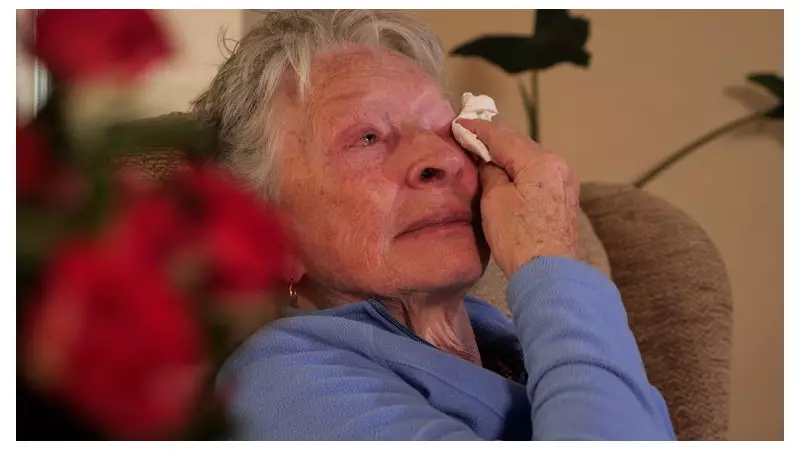
An 82-year-old woman facing a terminal brain tumour diagnosis is spending her final weeks campaigning for a change in the law on assisted dying, declaring she wants the right to choose a dignified end to her life.
A Life Changed in an Instant
Just four weeks before speaking to Sky News, Ed - who asked not to use her full surname - was living an active life behind the wheel of her camper van, enjoying the winter bowling season and volunteering in her community.
That all changed dramatically with the diagnosis of an aggressive and inoperable brain tumour, giving her just weeks to live. Sitting in her favourite armchair, looking out at autumnal fields, she was blunt about her new reality.
"I'd say my life, as I've known it, is very definitely over. It's definitely gone," she told correspondent Greg Milam during their interview on Friday 14 November 2025.
The Fight for Choice and Dignity
Although the proposed legislation will come too late to help her, Ed felt compelled to speak out in support of the Terminally Ill Adults (End of Life) Bill currently being scrutinised in the House of Lords.
The bill would permit adults with less than six months to live to legally end their life, a choice Ed believes should be available to those in her position.
"Looking at my life, for however long it is now, which I'm told isn't actually to be very long, it's not my life, I'm not going to be in control of it," she explained. "This malignant growth in my brain is going to choose for me."
She expressed deep concern about losing her identity and the dignity she has maintained throughout her life. "I have always tried to live my life with self-respect and dignity, and I don't know whether I'm going to have self-respect and dignity," she said.
Ed compared her ideal end to deciding when to get off a bus: "I feel I should have a choice. I feel that it should be me who says 'Well I think I'll get off this bus now. I've reached where I want to go to, and I'm quite happy, I've had a good life'."
Addressing Concerns and Opposition
The assisted dying bill faces opposition from those concerned about vulnerable people's safety, risks of coercion, and changing attitudes toward the elderly and disabled.
Ed acknowledged these concerns but maintained that individual choice should not be restricted. "I accept that there are vulnerable people but the people who are looking after them are the ones that will have to be honest and make the choices, as they already will do for vulnerable people," she argued.
She dismissed the option of travelling abroad to end her life, noting it would mean leaving home and family to die alone. "I think it should be made easier for people and their families to all be able to deal with it," she added.
Her vision for the future involves "an organised, dignified way where people could talk over with their families and decide what is the best thing."
Ed challenged the notion that people fear death itself, suggesting instead: "I think most of us aren't afraid of death. We're afraid of what we have to go through before death. And so what you're saying here is: 'We're not going to let you have a peaceful death. We're going to make you go through something before you get there.' And that's not fair."
Facing the End with Courage
In the days following the interview, Ed planned her own funeral and organised a kitchen disco at her home - fulfilling a bucket list wish to dance one more time.
Her remarkable perspective on facing mortality shone through as she reflected: "I'm very realistic, it's no good weeping and wailing about it. Some people have hard times all their lives. I've had a wonderful life, and if this is my hard time in my life, I've just got to face it and accept it."
She envisioned her final farewell: "We're going to have a kitchen disco next Friday, and we should be able to do that then say 'goodbye'. That would be fine."
Ed's powerful testimony comes as peers debate the assisted dying legislation that could transform end-of-life choices for terminally ill people across the country.




