
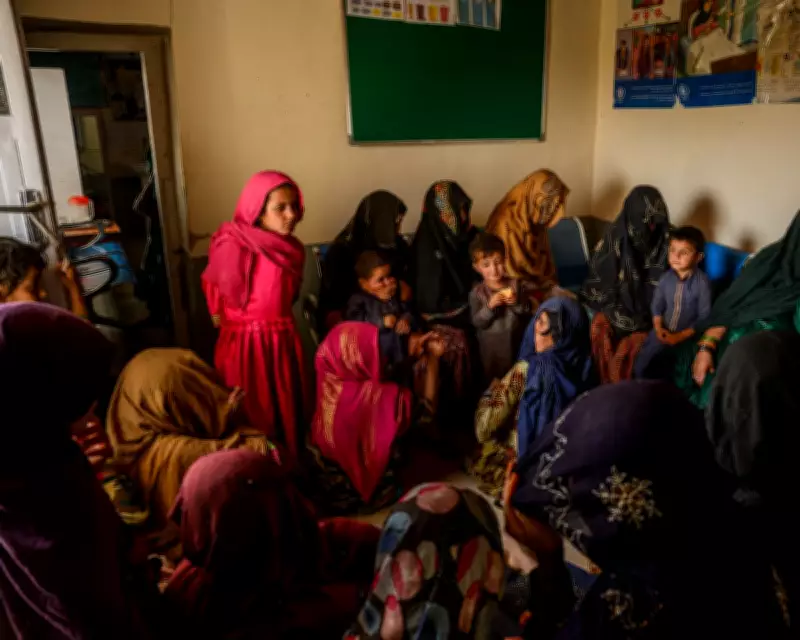
Afghanistan's Contraception Crisis: Women Face Lethal Pregnancies Under Taliban Ban
In the remote village of Nawrozi, Afghanistan, a stark scene unfolds as Taliban fighters systematically destroy stocks of contraceptives. They claim these vital medical supplies represent a Western conspiracy designed to control Muslim populations, a belief that has triggered a nationwide reproductive health catastrophe. Across the country, women are being left broken by lethal pregnancies and untreated miscarriages as clinics shutter and essential medicines vanish.
A System in Freefall
Since an informal birth-control ban began spreading across Afghanistan in 2023, the nation's reproductive health infrastructure has plunged into chaos. Contraceptives have disappeared from shelves, medical facilities have closed their doors, and life-threatening complications are going entirely untreated. Although never formally announced, by early 2023, doctors and midwives in multiple provinces reported a consistent pattern: supplies arriving late, then in diminishing quantities, and finally ceasing altogether.
In interviews, women from seven provinces have recounted identical traumas: pregnancies they cannot prevent, miscarriages they cannot treat, and domestic violence they cannot escape. The psychological toll is immense. Parwana, a 36-year-old from Kandahar province, sits silently on the floor of her mother's home, no longer recognising her own children. After nine pregnancies and six miscarriages, many endured under pressure from her husband and in-laws, she has slipped into a permanent state of confusion. "She is lost," says her mother, Sharifa. "They broke her with fear, pregnancies and violence."
Clinics Emptied and Threatened
The physical consequences are equally dire. Shakiba, a 42-year-old mother of twelve from Kandahar city, describes a body failing under the strain. She cannot rise without feeling faint, her hair falls out in clumps, and her bones ache constantly. Now pregnant again, her local clinic no longer offers contraceptives, and her husband forbids her from seeking them elsewhere.
In rural Jawzjan, a northern province, a doctor with three decades of experience running a clinic describes the rapid disappearance. "After the Taliban came, the contraceptives started reducing. Within months, they were gone," she explains. "Before, at least 30 out of 70 women who came to the clinic needed birth control. Now we tell them: we have nothing." The coercion is overt in some areas. In Badghis province, Taliban fighters arrived at a private clinic and ordered staff to destroy all contraceptives, threatening closure if they were ever provided again.
Lives Hanging in the Balance
For many women, the lack of contraception is a direct death sentence. Zarghona, 29, was warned by surgeons that another pregnancy could kill her after a life-threatening intestinal blockage. A year later, with no contraception available and a husband insisting he "needed a daughter," she became pregnant again. She spent nine months in terror, attempted to end the pregnancy with herbs and saffron, and managed only one antenatal visit. During labour, doctors in Herat city warned that both caesarean and natural delivery carried a high risk of death. She survived, but weeks later is still bleeding and lives with constant pain, with no means to protect herself from another, potentially fatal, pregnancy.
This crisis is compounded by a collapsed healthcare system. According to the United Nations and the World Health Organization, more than 440 hospitals and clinics have closed or reduced services since international funding was cut. For women in rural provinces, this means hours of walking to reach care or giving birth at home, often alone. In mountain villages accessible only by mud roads, midwives report women bleeding for days before they can reach a clinic.
Intertwined with Poverty and Violence
The reproductive health emergency is inextricably linked to Afghanistan's profound economic crisis. A doctor in Jawzjan estimates that 80% of the pregnant and breastfeeding women she sees are malnourished, suffering from anaemia, vitamin deficiencies, and low blood pressure. "Their bodies are too weak to carry pregnancies safely," she states.
Domestic violence emerges repeatedly in testimonies, both as a cause of miscarriage and a method of control in households where women have no escape. In Kandahar, Reyhana recounts how her sister Sakina, a young widow, was beaten by in-laws when she objected to being forced to marry her brother-in-law. "Each time they hit her, she bled. She lost her baby." Hamida, a midwife in an overcrowded Kandahar maternity ward, confirms violence is a leading cause of the miscarriages she witnesses daily.
The desperation drives extreme measures. Humaira, 38, took abortion pills when she discovered she was pregnant with a girl, fearing beatings or divorce from a husband who wanted a son. Her story is echoed by other women in Kandahar and Jawzjan who describe miscarriages that were forced, self-induced, or resulted from abuse after ultrasounds revealed a female foetus.
A Culture of Fear Silences Aid
Before the informal ban, rural clinics held regular sessions on birth spacing. Those programmes have all stopped. "There is no purpose in giving awareness when there is no medicine," says one doctor. "The Taliban have not given written orders, but the fear is real. If we speak openly, they may shut us down." In this atmosphere of intimidation, with medical supplies destroyed and clinics operating in terror, Afghan women are paying the ultimate price for a policy rooted in ideology, leaving a generation broken and a healthcare system in ruins.




