
In a significant move to combat the UK's obesity crisis, the government has announced it will extend the sugar tax to include popular milk-based drinks for the first time.
What the new sugar tax includes
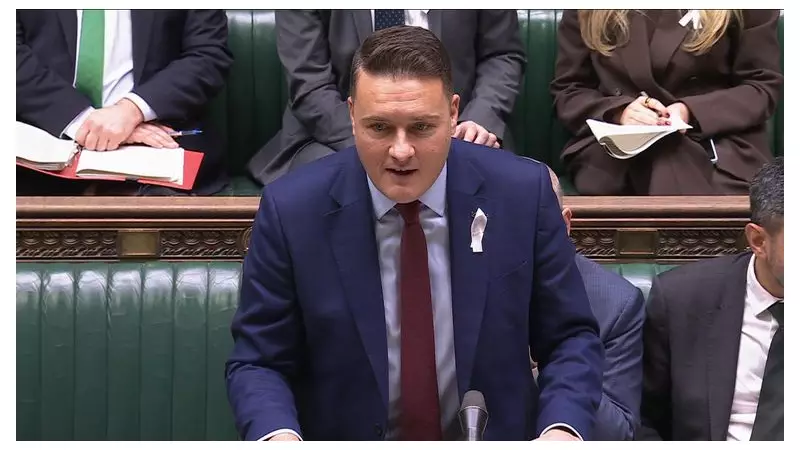
Health Secretary Wes Streeting confirmed to the House of Commons on Tuesday 25 November 2025 that the soft drinks industry levy will be expanded beyond fizzy beverages. The new measures will target packaged milkshakes, flavoured milk, and milk substitute drinks sold in bottles and cartons.
Mr Streeting emphasised the urgency of addressing obesity, stating: "Obesity robs children of the best possible start in life, hits the poorest hardest, sets them up for a lifetime of health problems and costs the NHS billions."
Importantly, the levy will only apply to pre-packaged drinks purchased in shops, not to those made fresh in cafes and restaurants.
Stricter sugar thresholds introduced
The government is not just expanding the range of products covered but also tightening the rules. The sugar threshold at which the levy applies will be lowered from 5g of sugar per 100ml to 4.5g per 100ml.
This represents a significant tightening of the existing regulations that came into force in 2018 under the original soft drinks industry levy, which currently exempts milk-based drinks.
Mr Streeting defended the government's position, stating: "This government will not look away as children get unhealthier and our political opponents urge us to leave them behind."
Proven impact and future implications
The existing sugar tax has already demonstrated considerable success since its implementation. There has been a 46% reduction in sugar in fizzy drinks, with 89% of soft drinks now reformulated to avoid the charge entirely.
Modelling studies suggest these changes may have prevented thousands of cases of childhood obesity and reduced tooth decay across the country.
Despite this progress, the Labour government noted that UK sugar consumption remains approximately double the recommended level, prompting their consultation in April to extend the tax.
The measure will be formally included in Chancellor Rachel Reeves's budget on Wednesday, as part of a series of smaller tax rises aimed at addressing a £30 billion financial shortfall, following the abandonment of plans to increase income tax.




