
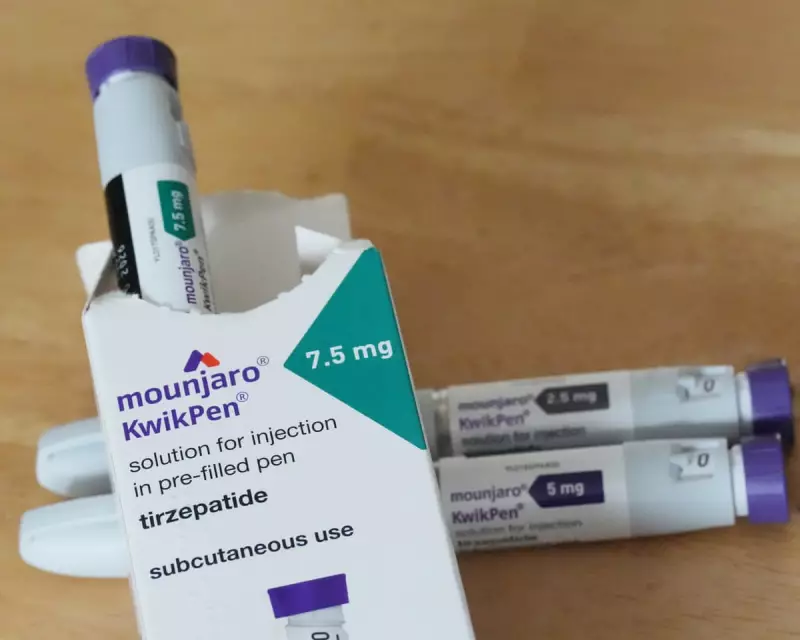
People who cease treatment with the weight-loss medication Mounjaro experience a significant regain of lost weight and see other crucial health improvements reverse, according to a new clinical study.
The Reversal of Health Gains
The research, which analysed data from the Surmount-4 trial, found that the benefits of reduced blood pressure and lower levels of 'bad' cholesterol began to disappear once patients stopped the weekly injections. Mounjaro, produced by the pharmaceutical company Eli Lilly, contains the active ingredient tirzepatide and has been shown to help individuals lose an average of 20% of their body weight over 72 weeks.
However, the new findings indicate that this progress is difficult to maintain without continued use of the medication. The study involved participants who were overweight or had obesity, all of whom received tirzepatide for an initial 36-week period. After this, half continued the treatment for another 52 weeks, while the other half were switched to a placebo.
Key Findings on Weight Regain
The results were stark for those who stopped the treatment. The research team focused on 308 participants who had lost at least 10% of their body weight during the first phase. The study found that one year after stopping tirzepatide, 82% of these participants had regained 25% or more of the weight they had initially lost.
Furthermore, this weight regain was directly linked to a reversal in cardiometabolic improvements. The team reported that participants who regained 75% or more of their lost weight saw their health parameters, such as waist circumference and blood glucose levels, return to where they were at the start of the study.
Expert Commentary on Long-Term Management
Professor Naveed Sattar, an expert in cardiometabolic medicine at the University of Glasgow, commented that the findings were expected. "Excess weight is a well-established driver of elevated blood pressure and impaired glucose control," he said. "Consequently, when weight lost through therapeutic interventions is regained, these cardiometabolic risk factors typically rise."
He emphasised that sustained weight management remains a critical challenge, but expressed hope that more affordable long-term strategies would emerge. The research team, which included experts from Eli Lilly, concluded that their findings support the necessity of long-term maintenance, combining lifestyle interventions with obesity medications to preserve health benefits.
Adding a behavioural perspective, Professor Jane Ogden from the University of Surrey noted that medications like Mounjaro do not automatically instil lasting healthy habits. She suggested that without the drug, people often revert to previous behaviours, leading to weight regain and a loss of associated cardiac benefits.
Separate observational research was also cited, indicating that women who stop weight-loss drugs like tirzepatide before pregnancy may face higher risks of complications. However, Professor Sattar urged caution, noting this study does not prove cause and effect and requires further investigation.




