
US States Withdraw Medicaid Coverage for Weight-Loss Medications as Expenditure Skyrockets
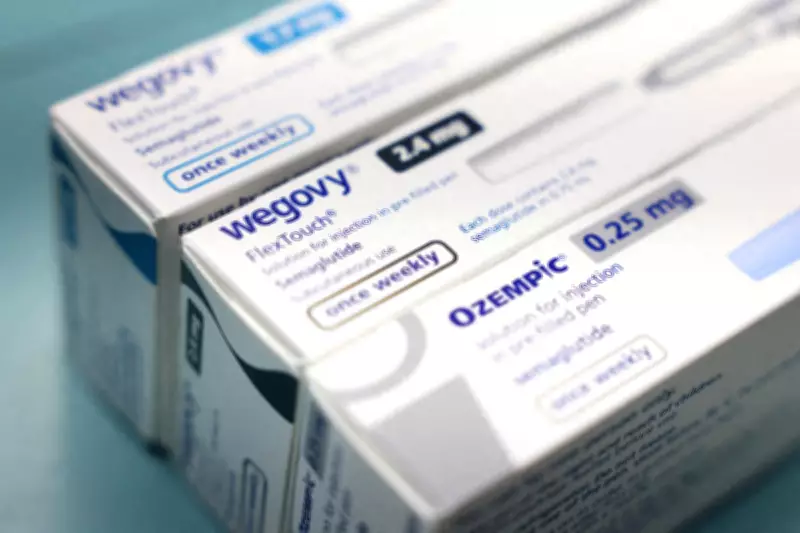
Multiple American states and cities have begun significantly restricting or completely eliminating Medicaid coverage for GLP-1 weight-loss pharmaceuticals such as Ozempic and Wegovy. This policy shift comes in response to an extraordinary surge in public spending on these medications, which has created severe budgetary pressures for government healthcare programs.
Financial Strain Forces Coverage Reductions
The dramatic pullback stems from unsustainable cost increases that have overwhelmed state Medicaid programs. National spending on GLP-1 drugs exploded from $13.7 billion in 2018 to $71.7 billion in 2023 – representing a staggering 500 percent increase according to data published in the Journal of the American Medical Association.
As of January this year, California, New Hampshire, Pennsylvania, and South Carolina have terminated Medicaid coverage for weight-loss indications of GLP-1 medications. Michigan has implemented strict restrictions limiting coverage to individuals classified as morbidly obese with a body mass index exceeding 40. Rhode Island's governor has proposed similar coverage eliminations.
Healthcare Professionals Warn of Long-Term Consequences
Medical experts and some legislators argue that while these cuts may provide immediate budgetary relief, they will ultimately prove counterproductive by increasing long-term healthcare costs related to obesity complications.
"Patients should have access to these therapies," emphasized Dr. Matthew Klebanoff, a professor of internal medicine at the Perelman School of Medicine who has studied prior authorization policies for GLP-1 medications. "It's just very challenging right now for payers to be able to afford covering these medications for everyone who could benefit."
Pennsylvania state representative Arvind Venkat, who is also a physician, criticized the coverage restrictions: "We're essentially allowing people to be much sicker than they should be before we allow them to have access to a medication which has been shown to be safe."
Real-World Impact on Patients
The policy changes are already affecting vulnerable populations. Alexa Canciello, a 23-year-old Medicaid recipient with autism living near Pittsburgh, successfully lost nearly 30 pounds after beginning Zepbound treatment approximately one year ago. Her father Rich described the medication as transformative for his daughter, whose neurological condition affects her hunger regulation.
However, Pennsylvania's coverage termination in January left the family facing monthly costs exceeding $400 for the injections. Canciello's doctor switched her to a less expensive pill form of Wegovy, but this alternative has proven less effective, and she has regained weight.
"There are a lot of people out there that could probably lose weight without GLP-1 drugs if they just discipline themselves and exercise more," Rich Canciello acknowledged, "but there is a segment of the population that cannot lose weight, and my daughter Alexa unfortunately falls within that category."
Broader Context and Alternative Solutions
The coverage reductions occur against a backdrop of significant obesity prevalence in the United States. While adult obesity rates decreased from 40 percent in August 2023 to 37 percent in 2025 – partly attributed to GLP-1 drug usage – the financial burden has become overwhelming for many state programs.
Pennsylvania's Medicaid spending on GLP-1 medications reached $1.3 billion in 2025, doubling from the previous year. Val Arkoosh, the state's department of human services secretary, explained during budget discussions that Pennsylvania was implementing restrictions "to ensure the medications are used appropriately by those who need it most, while considering cost effectiveness."
Representative Venkat has proposed innovative legislation creating a subscription model for GLP-1 drugs, similar to Louisiana's 2019 "Netflix model" agreement for hepatitis C medications. This approach would involve value-based arrangements with pharmaceutical manufacturers through supplemental rebate agreements.
"Whether the drug makers will agree to it or not is a question of, do you want your product to be marketed in Pennsylvania to the Medicaid population or not?" Venkat questioned.
Future Outlook and Market Dynamics
Healthcare analysts remain skeptical about pharmaceutical companies' willingness to negotiate such agreements given current high demand for GLP-1 medications. A Pennsylvania human services department spokesperson confirmed that manufacturers have shown little interest in alternative pricing models.
Dr. Klebanoff anticipates that market competition will eventually drive down prices, drawing parallels with hepatitis C treatments in the 2010s: "When the hepatitis C treatments came out in the 2010s, we had similar conversations about how we could afford those very expensive, highly effective medications, and eventually there was enough competition that prices came down."
In the interim, Medicaid recipients may pursue alternative pathways to access these medications, including undergoing sleep studies to potentially qualify for coverage through sleep apnea diagnoses. The fundamental policy debate continues between short-term budgetary concerns and long-term population health objectives.
"If all we are trying to accomplish is to save money on a single year budget basis, the state is doing that," Venkat concluded. "But our goal should be more than that. It should be to keep people healthy."




