Spanish Woman Wins Legal Battle for Euthanasia After Years of Suffering
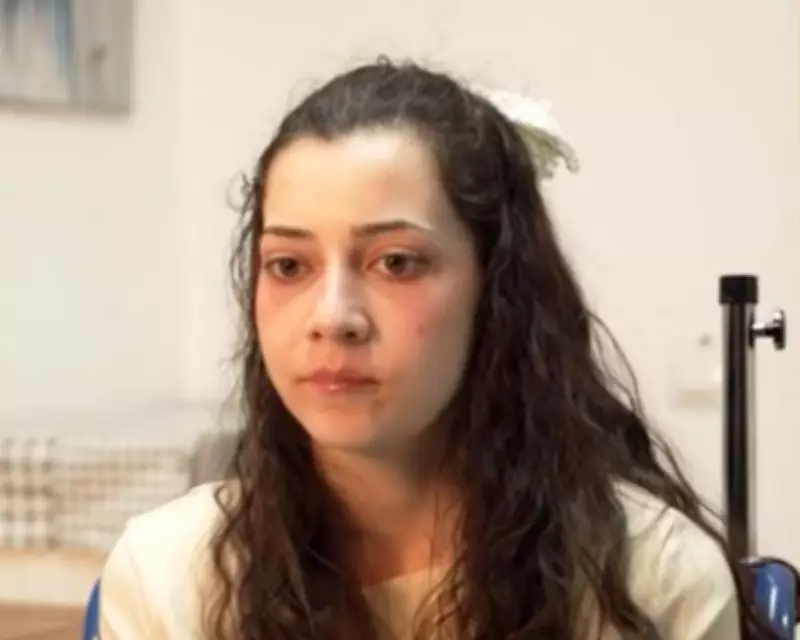
Noelia Castillo, a 25-year-old Spanish woman, has won a prolonged legal battle to end her life under Spain's euthanasia law, overcoming fierce opposition from her father and an ultra-conservative advocacy group. Castillo, who has struggled with psychiatric illness since her teenage years, became paraplegic after a suicide attempt in October 2022 following a sexual assault, leaving her in constant pain and reliant on a wheelchair.
Legal Challenges and Opposition
Castillo's attempts to obtain euthanasia have been vehemently opposed by her father and Christian Lawyers, an ultra-conservative advocacy group supporting him. They argued that Castillo's psychiatric condition prevented her from making a properly informed decision about ending her life. The legal battle spanned almost two years, moving through regional and national Spanish courts before reaching the European Court of Human Rights.
Earlier this month, the European court rejected Castillo's father's request to put the euthanasia on hold, clearing the final legal hurdle. According to Spain's health ministry, 1,123 people have had assisted deaths between June 2021, when the euthanasia law came into effect, and the end of 2024.
Spain's Euthanasia Law Requirements
Spain's euthanasia law, introduced in 2021, allows any legal adult with a medically-certified "serious and incurable illness or a serious, chronic, and disabling condition" to apply for euthanasia if they are "capable and conscious" when applying. The law specifically defines a serious and incurable illness as one that "causes constant and unbearable physical or mental suffering without the possibility of relief that the person considers tolerable, with a limited life expectancy, in a context of progressive frailty."
The application process requires candidates to submit two written requests and undergo consultations with medical professionals not previously involved in their case before a regional committee of experts signs off on the application. The law permits two methods of assisted dying: direct administration of a fatal substance by an authorized health worker, or prescription and supply of such a substance to patients wishing to end their lives themselves.
Castillo's Personal Statement
In a television interview recorded days before her scheduled death, Castillo defended her decision, emphasizing it was her personal choice. "I just want to go peacefully now and to stop suffering," she told Antena 3. "That's all ... There's nothing I want to do. I don't want to go out, I don't want to eat, I don't want to do anything."
Castillo, who has been in psychiatric treatment since age 13 and made repeated suicide attempts, described her lifelong struggle with isolation. "I've always felt alone because I've never felt understood ... Before I applied for euthanasia, my world was a very dark place and I foresaw a very dark end. I had no aims, no goals, nothing - and I still don't."
The Barcelona resident expressed frustration with people discussing her life without understanding her reality. "They've said I just lie in bed," she added. "But I get up out of bed and I shower myself. And I put my make-up on by myself ... I've managed to do it at last. Let's see if I can rest now because I can't go on. I can't go on with this family, I can't go on with the pain and I can't go on with all the stuff that's tormenting my mind."
Castillo made clear she did not want to become a symbol or example for others. "I don't want anyone to follow in my footsteps. I don't want there to be people asking how the process works because they want euthanasia and they want to know how it's done. I don't want them to think about that. I just feel that my life is my life and that I'm not an example to anyone, be it for good or for ill. It's just my life and that's all there is to it."
Continued Opposition and Broader Context
Christian Lawyers announced plans to hold a press conference outside the Barcelona hospital where Castillo was scheduled to die at approximately 6 PM local time. In a social media statement, the organization declared: "Noelia's case had moved the entire world. The euthanasia law must be abolished. Every life should be defended, not abandoned."
The case highlights the ongoing ethical and legal debates surrounding euthanasia laws in Spain and internationally. While Spain's law provides a legal framework for assisted dying, cases like Castillo's demonstrate the complex personal, familial, and societal conflicts that can arise when individuals exercise this right.