
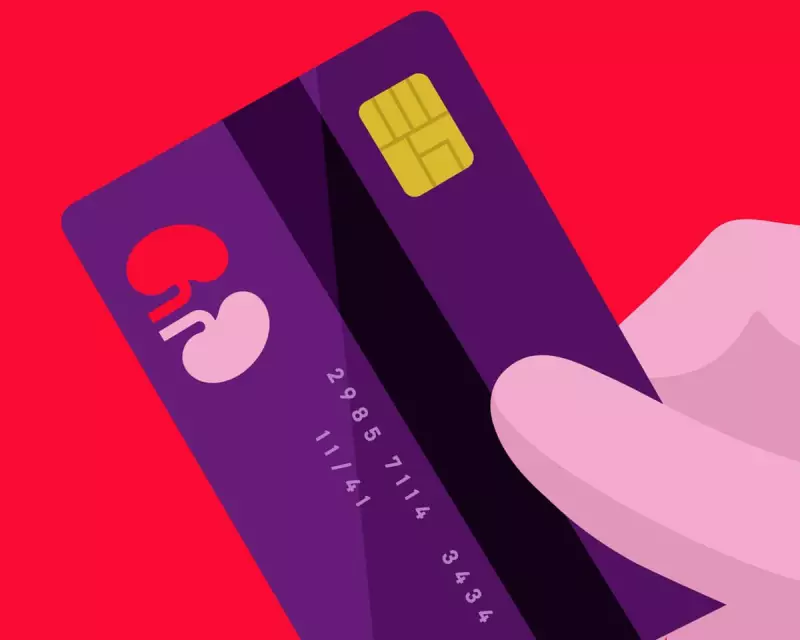
The UK Kidney Transplant Crisis: Could Payments Be the Solution?
The United Kingdom faces a profound healthcare challenge with its kidney transplant system. Official NHS statistics reveal a stark reality: approximately 7,000 individuals currently await a kidney transplant, yet only 3,302 adult procedures were completed in the 2024/25 period. According to Kidney Research UK, merely 32% of patients receive a transplant within their first year on the waiting list, while tragically, six people die each week awaiting this life-saving procedure.
The Lifelong Burden of Kidney Failure
For those experiencing kidney failure, survival depends entirely on either lifelong dialysis treatment or receiving a transplant. Even for the fortunate minority who secure a transplant, this represents not a permanent cure but a temporary reprieve. Kidneys from deceased donors typically function for 10 to 15 years, while those from living donors last slightly longer at 20 to 25 years. When transplants inevitably fail, patients return to the same desperate situation requiring either dialysis or another donated organ.
The Global Shortage and Iran's Unique Approach
This critical shortage of available kidneys represents a universal healthcare challenge affecting every nation worldwide with one notable exception: Iran. Since 1988, Iran has operated a legalised system for kidney sales, completely eliminating transplant waiting lists through regulated market mechanisms.
Under Iran's framework, kidney recipients pay approximately $5,000 for an organ, with government-enforced price caps adjusted for inflation. This contrasts dramatically with black market prices elsewhere that can reach $120,000. Crucially, most Iranian donors have no personal relationship with recipients; they participate primarily for financial compensation.
Addressing Common Objections to Legalisation
The proposal to legalise kidney sales in the UK naturally generates significant controversy, yet many common objections warrant careful examination.
Exploitation Concerns
A primary objection centres on potential exploitation of financially vulnerable individuals. Critics argue that only those facing severe economic hardship would consider selling an organ, making bans necessary to protect the poor. However, this reasoning presents substantial logical problems. Denying individuals this potential income source while failing to address their underlying financial vulnerability creates a contradictory position. Furthermore, concerns about unethical practices point toward the need for robust regulation rather than outright prohibition, as demonstrated by Iran's successful implementation.
Ethical and Religious Considerations
Some argue that human bodies possess inherent sanctity that precludes treating organs as commodities. While this perspective holds validity for certain religious and philosophical traditions, it raises questions about imposing specific moral frameworks on those who don't share these beliefs, particularly when thousands suffer and die awaiting transplants.
The Role of Government and Personal Autonomy
A fundamental question emerges regarding state authority over individual bodily autonomy. If individuals can legally donate kidneys without compensation, what justification exists for prohibiting the same action with financial incentive? Many people instinctively feel discomfort about organ sales, yet such feelings often reflect cultural norms rather than objective moral truths. Historical parallels exist where activities now considered ordinary, such as professional singing, once generated similar moral discomfort.
Balancing Discomfort Against Life-Saving Potential
The central dilemma requires weighing personal discomfort against concrete life-saving potential. Should cultural queasiness about organ markets outweigh the desperate needs of thousands awaiting transplants? This represents a literal life-and-death consideration requiring careful ethical balancing.
Political Realities and Democratic Processes
Iran's implementation occurred under specific political circumstances where the regime could override moral objections to address a healthcare crisis. In the UK's democratic context, any such policy change would require public debate and legislative approval. While discomfort with authoritarian implementation remains valid, democratic processes could potentially legitimise such market mechanisms if society collectively determined the benefits outweighed the concerns.
The kidney transplant shortage represents one of the NHS's most pressing challenges, with human costs measured in weekly deaths and diminished quality of life for thousands. As the UK examines potential solutions, Iran's decades-long experience with regulated kidney markets offers valuable insights, though implementation would require navigating complex ethical, regulatory, and political landscapes unique to British society and healthcare systems.




