
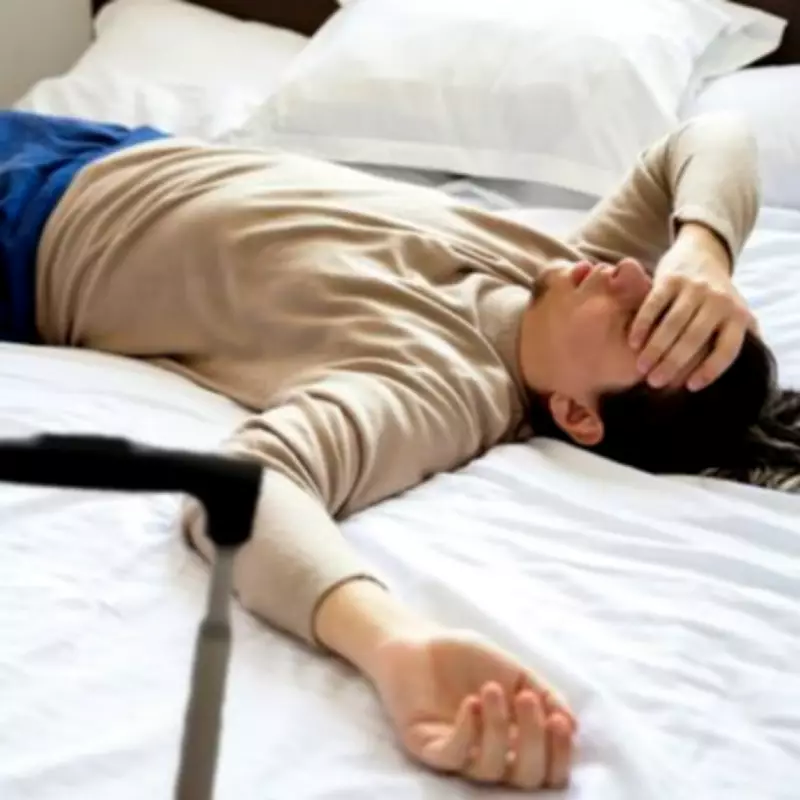
Shigella Health Alert for British Travellers Following Cape Verde Outbreaks
British holidaymakers planning their 2026 getaways are being urged to exercise heightened caution regarding a potentially dangerous bacterial infection that has affected numerous UK tourists in popular destinations. Health authorities have issued specific warnings after multiple outbreaks were reported in Cape Verde, a favoured holiday location for Brits, towards the end of 2025.
Understanding the Shigella Threat
The infection, known as shigellosis, is caused by the highly contagious Shigella bacteria. This illness is particularly prevalent among young children but can affect travellers of all ages. The bacteria typically spread through poor hygiene practices, contaminated food and water, or direct contact with infected surfaces. According to recent reports from The Times, an outbreak in Cape Verde impacted hundreds of British tourists and may have contributed to the tragic deaths of four UK nationals within a three-month period.
Symptoms and Health Risks
Shigellosis presents with particularly unpleasant symptoms that can severely disrupt holiday plans and require medical attention. The primary indicators include:
- Severe, persistent diarrhoea
- Vomiting and nausea
- High fever and abdominal cramps
- General malaise and weakness
These symptoms typically persist for five to seven days and can lead to dangerous dehydration, especially in vulnerable groups. Children under four years old face the highest infection rates and require particular monitoring. The NHS emphasises that dehydration represents the most significant immediate risk, though the illness is rarely fatal with proper treatment.
High-Risk Travel Destinations Identified
While Cape Verde has seen repeated outbreaks, health data reveals several other destinations where British and European travellers have frequently encountered Shigella bacteria. According to Food Safety News analysis, the most common locations for Shigella exposure include:
- Singapore and Thailand
- India and Sri Lanka
- United Arab Emirates and Saudi Arabia
- Egypt, which regularly appears in exposure reports
These destinations, while popular with UK tourists, may present higher hygiene challenges in certain accommodation and dining establishments.
Transmission and Prevention Measures
The Shigella bacteria can be transmitted through various means that travellers should be aware of:
- Inadequate hand hygiene after using facilities
- Consumption of contaminated foods including salads, raw oysters, and processed meats
- Contact with infected surfaces in accommodation or public spaces
- Poor food handling practices in restaurants and hotels
Dr David Kirrage, consultant with the PHE West Midlands Health Protection Team, advises: "People who have had diarrhoea should stay away from work or school until they have been free of symptoms for 48 hours. This is crucial to prevent further spread."
Treatment Protocols and Recovery
Medical treatment for shigellosis primarily focuses on managing symptoms and preventing complications:
- Fluid replacement is essential to combat dehydration
- Antibiotics may be prescribed for severe cases
- Children exhibiting symptoms should remain home for at least five days until tests confirm they're clear of infection
- Immediate medical consultation is recommended if symptoms appear in children
Health officials stress that thorough, regular handwashing with soap represents the most effective preventive measure. Travellers should maintain particularly rigorous hygiene standards while abroad and seek medical advice promptly if symptoms develop.
Travel Planning Considerations for 2026
As British tourists plan their 2026 holidays, health authorities recommend:
- Researching accommodation hygiene standards before booking
- Choosing reputable dining establishments with good food safety practices
- Packing hand sanitiser and maintaining strict personal hygiene
- Considering travel insurance that covers medical treatment abroad
- Monitoring official travel health advice for destination countries
While the risk of serious illness remains relatively low for most travellers, awareness and precautionary measures can significantly reduce the likelihood of infection spoiling holiday plans.




