
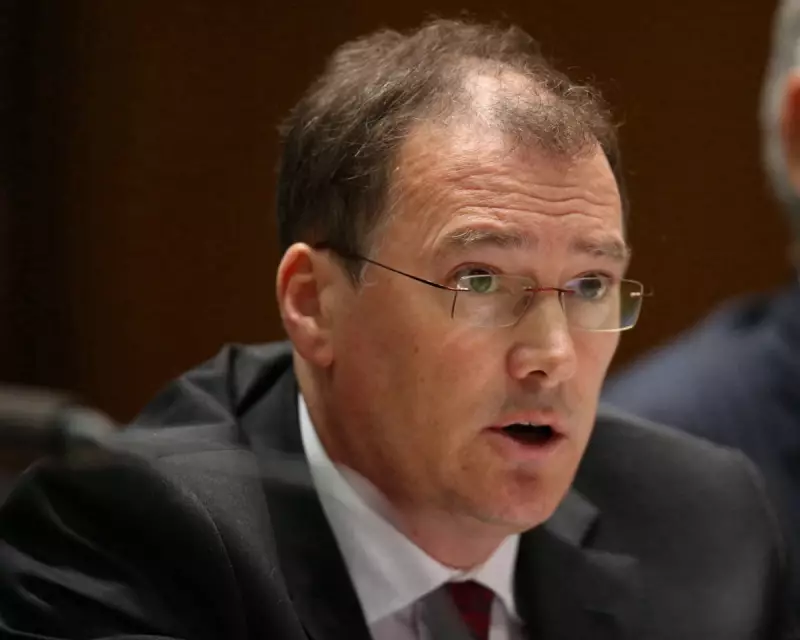
Services Australia Knowingly Applied Incorrect Child Support Practices for Six Years
Commonwealth Ombudsman Iain Anderson has published a damning report revealing that Services Australia has been knowingly applying child support processing practices that conflict with legislation for six years. The investigation found that the agency identified the discrepancy in 2019 but failed to take corrective action, resulting in potentially thousands of parents being owed significant sums of money.
Systematic Failure to Apply Legislation Correctly
The report details how Services Australia maintained a "longstanding principle" that parents providing less than 35% care of a child should not be eligible for child support, despite legislation clearly stating otherwise. Australian law explicitly entitles parents with less than 35% care to receive some financial support from the other parent, but the agency deliberately chose not to implement this provision.
Ombudsman Iain Anderson expressed strong criticism of the situation, stating: "It's just not acceptable for public servants to choose which parts of the legislation they're going to apply and which parts they're not going to apply." He emphasized that the agency had known about the legal conflict for six years without taking action to rectify the situation.
Significant Financial Impact on Parents
While the exact number of affected individuals remains unclear, the investigation has identified at least 16,600 people who are owed money, with some cases involving amounts up to $10,000. These parents, who typically provide minority care for their children, have not been informed that the law was not being applied correctly in their cases.
Anderson acknowledged that the legislation might produce unintended consequences in some circumstances, but stressed: "The problem is, though, this has been going on for six years without anything happening to fix it." The report reveals that some Services Australia staff held the attitude that agencies should not have to implement laws that conflict with their preferred practices or might create unfair outcomes.
Recommendations and Agency Response
The ombudsman has made six recommendations to address the situation, including:
- Retroactively legislating that parents providing less than 35% care cannot claim support
- Offering compensation to those impacted by the incorrect practices
- Implementing immediate corrective measures
Services Australia spokesperson Hank Jongen responded that the department's priority remains ensuring the child support program operates in children's best interests. He defended the agency's position, stating: "If the legislative anomalies were applied in practice, there would be situations where parents with the majority care of children would be required to pay child support to parents with little, or even no care, of children."
Jongen confirmed that Services Australia would implement the ombudsman's recommendations by the end of January, with the Department of Social Services prioritizing legislative amendments in 2026. The agency is also developing an interim ICT solution to comply with current legislation while awaiting permanent changes.
Broader Context of Child Support Issues
This revelation follows last year's finding by the ombudsman that Services Australia was "amplifying" financial abuse in the child support system by not enforcing payments. At that time, $1.9 billion was owed, primarily to mothers who were disproportionately affected.
The previous report made eight recommendations, including improving recovery of unpaid support and better tracking of financial abuse. Jongen noted that the department recognizes the need for reform and is implementing staff training to better recognize and support people experiencing financial abuse.
The current investigation highlights systemic issues within Australia's child support administration and raises serious questions about government agencies' compliance with legislation they are mandated to implement.




