Scotland's Historic Assisted Dying Vote: MSPs Decide on Legalisation for Terminally Ill Adults
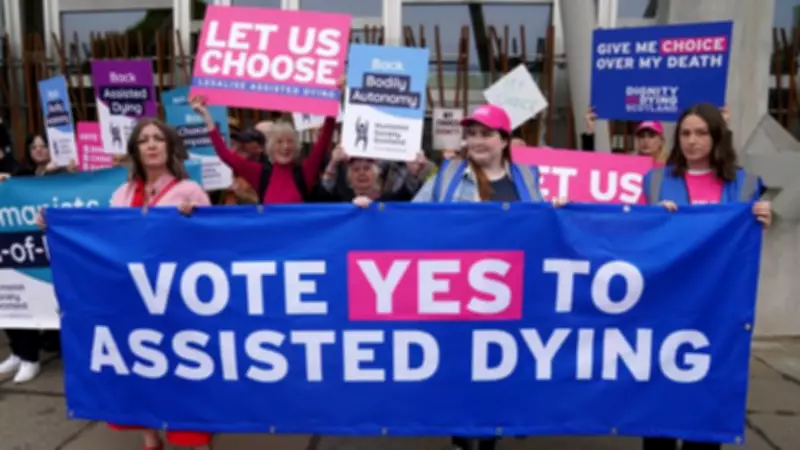
MSPs are poised to cast a crucial vote later today on whether to legalise assisted dying for terminally ill adults in Scotland, marking a pivotal moment in the nation's legislative history. This proposed legislation, distinct from ongoing debates in Westminster, has undergone rigorous scrutiny through multiple marathon sessions, with hundreds of amendments debated to refine its provisions.
Key Provisions and Safeguards of the Bill
If passed, the Assisted Dying for Terminally Ill Adults (Scotland) Bill would permit individuals aged 18 or older, who possess decision-making capacity and have a prognosis of six months or less to live, to seek medical assistance to end their lives. The final vote is anticipated around 10pm, following extensive deliberations that have focused on enhancing patient protections.
Scottish Liberal Democrat MSP Liam McArthur, the bill's proponent, emphasised that MSPs have the opportunity to enact "a robust and well safeguarded law" that grants terminally ill Scots with mental capacity the choice of an assisted death. He highlighted that the bill enjoys "overwhelming support from a significant majority of Scots" across various demographics, including religious, political, and disability groups.

Amendments and Controversies Surrounding the Legislation
In the past week alone, a total of 175 amendments were accepted, with MSPs addressing concerns to ensure the bill remains within Holyrood's legislative competence. Key amendments have strengthened safeguards against coercion and ensured discussions on alternative treatment options. Under the proposed law, two doctors must independently confirm a patient's terminal illness and six-month prognosis, while the patient must demonstrate mental capacity to understand, decide, and communicate their choice.
However, the bill has faced significant opposition. The Royal College of Psychiatrists in Scotland and the Royal Pharmaceutical Society in Scotland withdrew their support, citing weakened protections for healthcare professionals after the removal of Section 18, which previously offered statutory safeguards for clinicians opting out of participation. A subsequent deal with the UK government aims to restore these protections if the bill passes.
Voices of Opposition and Support
Opponents, including disability advocates and healthcare professionals, have branded the bill as "dangerous". Mike Smith of Not Dead Yet UK warned that "coercion comes in many forms", while Dr Gordon Macdonald of Care Not Killing argued that vulnerable individuals might feel pressured to end their lives. Deputy First Minister Kate Forbes also announced her opposition, urging MSPs to heed concerns from frontline medical staff.
In contrast, Mr McArthur defended the bill as the "toughest and most comprehensively safeguarded assisted dying bill in the world", asserting that it addresses failures in current laws and offers compassion to those suffering. This vote follows previous failed attempts in Scotland and recent legislative moves in Jersey and the Isle of Man, while a similar bill in Westminster faces delays due to parliamentary constraints.