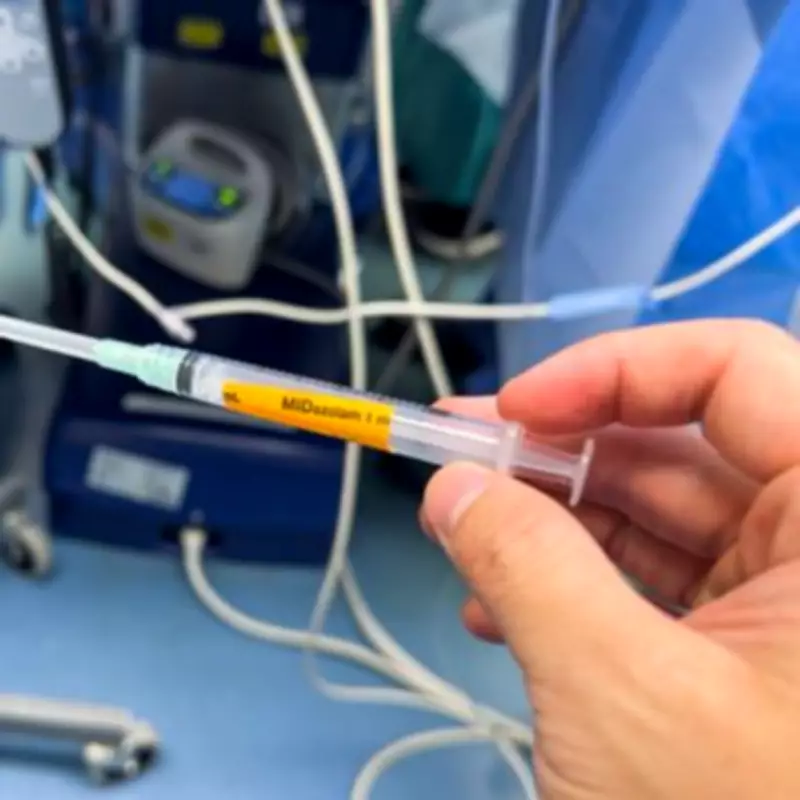
The NHS has issued a critical shortage warning for midazolam, a life-saving epilepsy medication used by thousands of Britons, including children. The supply chain disruption is attributed to the ongoing war in Iran.
Shortage Details
The Government has alerted all NHS pharmacies that specific dosage strengths of midazolam will remain unavailable until late May. The shortage specifically affects midazolam 7.5mg oral solution pre-filled syringes. Midazolam is an emergency rescue treatment for prolonged seizures and is prescribed to hundreds of thousands of patients annually across the UK.
Impact on Patients
Dr Leyla Hannbeck, CEO of the Independent Pharmacies Association, expressed increasing concern over the disruption. She told The Sun: "We are increasingly concerned that the disruption in the Strait of Hormuz is worsening medicines shortages in the UK. This includes medicines for epilepsy, blood pressure medicines, blood thinning medicines and some cancer medicines." She added that pharmacies face record price hikes for sourcing prescription-only medicines.
According to the Epilepsy Research Institute UK, one in 100 people live with epilepsy, with approximately 633,000 individuals currently affected. Each week, 600 more are diagnosed, and 30 per cent experience uncontrolled seizures that fail to respond to medication.
Previous Tragedy
This shortage follows the death of Paul Nash, 58, in October 2025 after missing three doses due to supply issues. Coroner Emma Whitting noted difficulties in obtaining batch quantities and highlighted that processing repeat prescriptions can take up to 10 days in some areas.
NHS Guidelines for Seizures
- Only move the person if they are in danger (e.g., near a busy road or hot cooker).
- Cushion their head if they are on the ground.
- Loosen tight clothing around their neck to aid breathing.
- Turn them onto their side after convulsions stop.
- Stay with them and speak calmly until they recover.
- Note when the seizure begins and ends.
- For wheelchair users, apply brakes and support the head without moving them.
- Do not put anything in their mouth or give food/drink until fully recovered.
- Call 999 if it is their first seizure, if it lasts longer than usual or exceeds 5 minutes, or if they do not regain consciousness, are seriously injured, or have difficulty breathing.
Pharmacy leaders warn that the crisis may also affect cancer medications and blood-thinning drugs, exacerbating existing supply chain pressures.