
US Health Secretary and Celebrity Chef Argue Food is Affordable Despite Soaring Prices
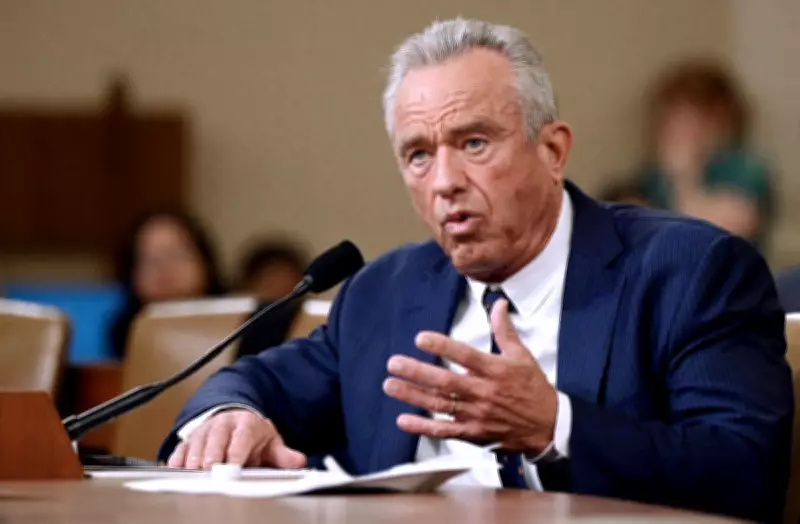
In a controversial new podcast episode produced by the US Department of Health and Human Services, Health Secretary Robert F Kennedy Jr and celebrity chef Robert Irvine claimed that Americans could eat healthier and more affordably if they simply shopped smarter. The episode, titled "Fixing America's Food System – Robert Irvine," features a 45-minute conversation where both men suggested that rising grocery costs could be mitigated through better consumer choices.
Military Chef's Perspective on Food Costs
Robert Irvine, who has collaborated with the US military to create the Victory Fresh program offering healthy grab-and-go meals on military bases, opened the podcast with a provocative statement: "We talk about food being expensive. If you're buying expensive food, it's expensive. But if you're buying food and you know what to do with it, it's not expensive."
Throughout their discussion, Irvine shared examples from his work negotiating vendor prices and creating meal plans for large-scale operations. He pointed to specific food items that have seen dramatic price increases, noting that chicken wings were once considered "cat food, dog food, throw-away food" but now cost more than chicken breast.
"Why are we not using dark meat? Why are we not helping people understand those cheaper cuts of meat or cheaper vegetables?" Irvine questioned during the episode. He emphasized that education about purchasing and cooking techniques could significantly reduce food costs for American families.
Notable Omissions and Political Context
Significantly absent from the conversation was any mention of how Trump administration policies have contributed to rising grocery costs. Tariffs combined with immigration crackdown-related labor shortages have caused substantial price increases for many food items, including healthier "whole foods" that Kennedy and Irvine promoted.
The podcast also failed to acknowledge that Irvine's Victory Fresh program originated during the Biden administration, despite Kennedy's current role in a Republican administration. This omission created a politically charged backdrop to what was presented as a non-partisan discussion about food affordability.
Practical Advice and Criticism
Irvine shared specific techniques he uses to save money when preparing meals at scale, such as buying whole melons and having staff chop them rather than purchasing pre-chopped options. However, critics noted that Kennedy and Irvine offered little practical advice for average families juggling both time and financial constraints while trying to eat healthier.
In response to questions about rising food costs, HHS press secretary Emily Hilliard issued a statement calling claims about Trump-era price increases "ridiculous" and blaming the Biden administration for inflation. She emphasized that "shopping with savvy and intentionality" could help Americans find affordable whole foods, noting that these items are covered by the Supplemental Nutrition Assistance Program in every state.
Hilliard did not mention that Trump's One Big Beautiful Bill Act has been significantly reducing SNAP benefits since the end of last year, a fact that undermines the argument about food assistance accessibility.
Broader Health Concerns and Controversial Claims
Kennedy and Irvine expressed deep concern about the typical American diet and the healthcare costs associated with diet-related conditions. Kennedy stated dramatically: "The processed foods are making us sick. We now have the highest chronic disease burden in the entire world."
He claimed healthcare spending on chronic diseases has grown from zero when his uncle was president in 1960 to $4.3 trillion annually, representing "the biggest budget item in the federal government." However, a KFF analysis found that in 2024 only 27% of the federal budget was spent on healthcare programs and services, representing all health expenditures, not just those related to diet.
Kennedy made several controversial medical claims during the podcast, suggesting that bipolar disorder and attention deficit hyperactivity disorder were caused by poor diets. While healthy diets can support brain function, medical experts including the Child Mind Institute state there is no evidence that sugar or diet causes or worsens ADHD.
Marketing Health and Political Messaging
The conversation turned to marketing and messaging as potential solutions to America's health problems. Kennedy referenced his "make America healthy again" Super Bowl ad featuring Mike Tyson, which ended with the text "Processed Food Kills, Eat Real Food."
Irvine praised this approach, stating: "I believe we can do better than what everybody else has done. Talking about making America healthy again, slap it in the face and do it just like you're doing." This language echoed political campaign rhetoric more than public health messaging, highlighting the increasingly politicized nature of nutrition policy in the United States.
The full podcast episode runs for nearly 48 minutes and is available on YouTube and other platforms, presenting a controversial perspective on food affordability that has drawn criticism for overlooking structural economic factors while emphasizing individual responsibility in grocery shopping decisions.




