
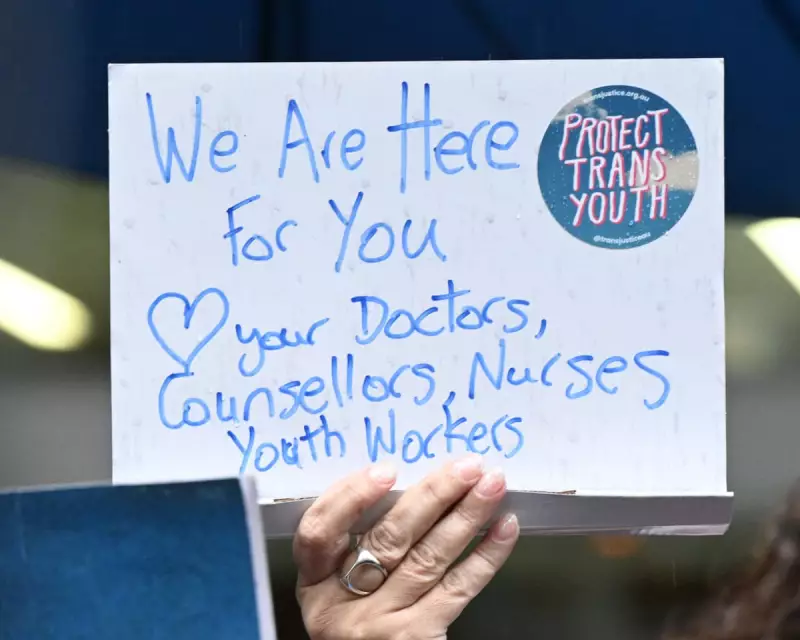
The Australian state of Queensland has passed landmark legislation that will prohibit the use of puberty blockers for the treatment of gender dysphoria in individuals under the age of 18. The new law, which is set to take effect from 1 January 2031, marks a significant shift in the medical care available to transgender youth in the region.
The Details of the New Legislation
The bill, officially titled the Health (Drugs and Poisons) Amendment Act 2025, was passed by the Queensland parliament on Thursday. It specifically outlaws the prescription of puberty-suppressing medication to minors for the purpose of treating gender dysphoria. The legislation carves out an exception, allowing these treatments to continue for children experiencing early puberty that is not related to gender identity issues.
The law will come into force on 1 January 2031, providing a multi-year transition period. This timeline was a key point of negotiation, with the original proposal from the Liberal National Party (LNP) opposition seeking an immediate ban. The final version, supported by the Labor government, includes this extended lead time to allow for current patients and medical services to adjust.
Political Debate and Amendments
The passage of the bill followed intense debate and a crucial amendment. The legislation was initially introduced by the LNP but was only passed after the Labor government, led by Health Minister Shannon Fentiman, successfully moved an amendment to delay the commencement date until 2031. This amended version ultimately received support from both major parties.
Not all voices in parliament were in agreement. Cassy O'Connor, the leader of the Greens, strongly opposed the bill, arguing that it interferes with complex medical decisions that should remain between doctors, patients, and their families. The Greens attempted to send the legislation to a parliamentary committee for further review, but this motion was defeated.
Implications and Reactions
This law places Queensland at the forefront of a highly contentious international debate regarding the care of transgender youth. Proponents of the ban argue it is a necessary precaution, citing concerns about the long-term effects of puberty blockers and the capacity of young people to consent to such treatments. They often reference similar restrictive moves in parts of the UK and Europe.
Critics, including medical professionals and LGBTQ+ advocacy groups, condemn the legislation as politically motivated and dangerous. They contend that it removes a vital, evidence-based treatment option for a vulnerable group, potentially exacerbating mental health crises among transgender adolescents. They warn that the law sets a precedent for political intervention in private healthcare decisions.
The six-year transition period until 2031 is now a focal point. It provides a window for current patients but also raises questions about the future of gender clinics and specialist medical training in Queensland. The long-term consequences for the health system and for transgender young people in the state remain to be fully seen, as Australia watches one of its largest states enact this prohibitive policy.




