
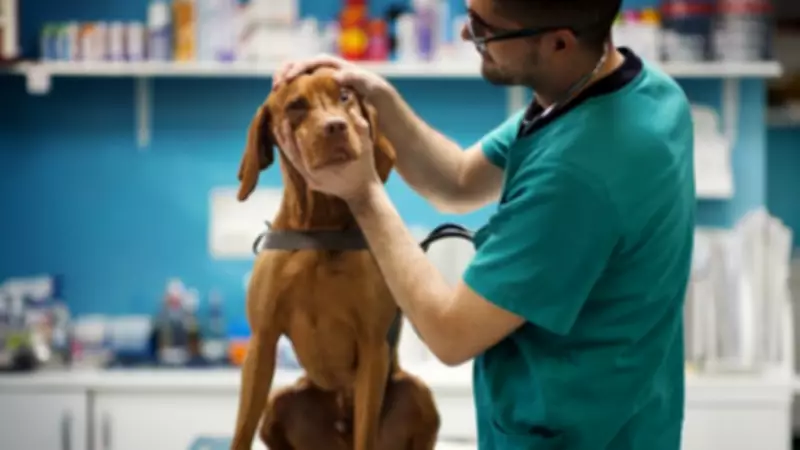
Pet Owners to Pay No More Than £21 for Prescriptions After Major Investigation
In a significant move to protect consumers, the Competition and Markets Authority (CMA) has announced a price cap on pet prescriptions, following an extensive three-year investigation. Pet owners will now pay a maximum of £21 for their first prescription and £12.50 for any additional medicines within the same consultation. This decision comes after the CMA found evidence that some pet owners were being overcharged for commonly prescribed medications at veterinary practices.
Major Overhaul of the Veterinary Sector
Under the sweeping reforms, vet practices will be required to publish comprehensive price lists for standard services, including consultations, common procedures, diagnostics, written prescriptions, and cremation options. Additionally, a new comparison site will be established to help pet owners easily assess and compare prices across different veterinary practices. These changes aim to increase transparency and empower consumers in making informed decisions about their pets' care.
Martin Coleman, chair of the independent inquiry group, emphasized the impact of these reforms, stating, "These changes will make a real difference to the millions of pet owners who want the best for their pets but struggle to find the practice, treatment, and price that meets their needs." The report highlighted that average prices for vet services surged by 63% between 2016 and 2023, far outpacing general inflation rates.
New Transparency Requirements for Vet Practices
Veterinary practices must now clearly indicate whether they are part of a larger group or operate independently, with signs required both on-site and online. For any treatment expected to cost £500 or more, practices are obligated to provide a written estimate in advance, along with an itemised bill upon completion. Emergencies are the sole exception to this rule. All these measures will be legally enforced by 23 September, ensuring compliance across the industry.
Focus on Large Veterinary Groups
The CMA's investigation singled out six major veterinary groups—CVS, IVC, Linnaeus, Medivet, Pets at Home, and VetPartners—for specific issues. Coleman noted, "We're not shying away from this. Most of them have higher average prices than independent practices, and, in at least three out of five cases, large groups buying up independent practices has led to higher average prices at those practices." He added that some of these groups are earning profits significantly above what would be expected in a competitive market, and the new regulations will hold them accountable through independent oversight for the first time.
Responses from the Veterinary Industry
Reactions from the large veterinary groups varied. Vets for Pets, part of Pets at Home, expressed relief at the modernization of the sector, highlighting that it was the only large group not found to have higher average prices than independents. CVS stated that while some reforms were not fully justified, they are comfortable and workable with the changes. IVC Evidensia welcomed the report, focusing on delivering outstanding care, and Medivet noted alignment with existing practices and no excess profits. The British Veterinary Association praised the transparency steps but pointed out that rising costs in the industry have contributed to price increases.
These reforms mark a pivotal shift towards greater fairness and clarity in pet healthcare, addressing long-standing concerns about affordability and transparency in the veterinary sector.




