
Peptide Testing Industry Experiences Unprecedented Growth Amid Weight-Loss Craze
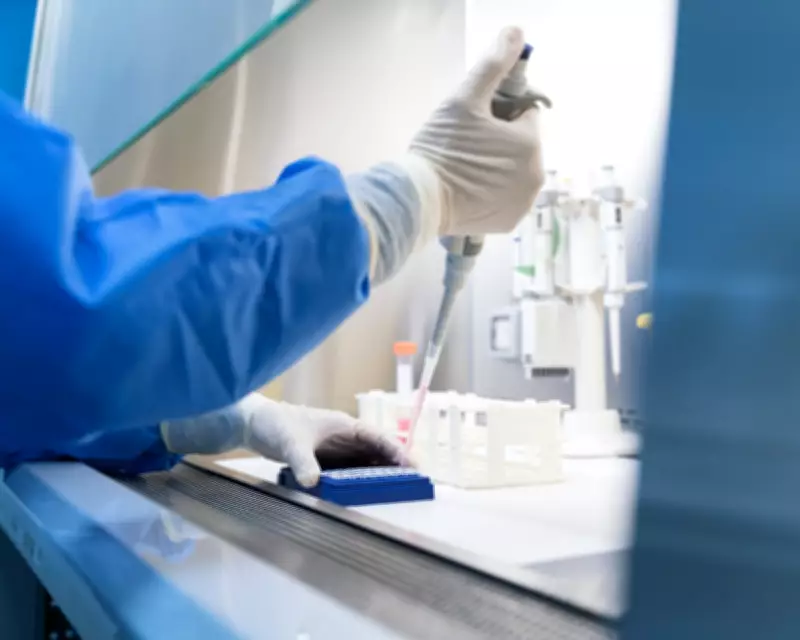
Laboratories across the United Kingdom are witnessing an extraordinary surge in demand for peptide testing services as consumers increasingly turn to unregulated substances promising weight-loss and wellness benefits. What began as a niche service handling mere hundreds of samples monthly has transformed into a booming industry processing thousands of tests, with experts warning of significant safety concerns and quality control failures.
From Hundreds to Thousands: The Testing Explosion
One prominent laboratory revealed that their peptide testing volume has skyrocketed from just a couple of hundred samples per month to an astonishing 6,000-7,000 monthly tests. This represents a seismic shift in consumer behavior, with individuals and vendors worldwide seeking verification of what exactly these unregulated compounds contain. The laboratory further disclosed that they now process approximately 60,000 samples annually, with around 2,000 orders originating specifically from the UK since 2024 alone.
Peter Magic, a chemist at Janoshik Analytical laboratory in the Czech Republic, confirmed this explosive growth pattern, noting that their monthly sample volume has reached 5,000. "Roughly three or four years ago there was an exponential growth in demand, mostly for peptides," Magic explained, attributing this boom directly to the emergence of highly effective GLP-1 weight-loss medications.
Understanding the Peptide Phenomenon
Peptides are short chains of amino acids that occur naturally within the human body, including hormones like insulin, oxytocin, and vasopressin. However, the current market explosion involves synthetic versions created in laboratories, many of which mimic the active ingredients found in prescription weight-loss drugs such as Wegovy and Mounjaro. These compounds have become particularly popular within biohacking and anti-ageing communities, with social media platforms like TikTok and Telegram filled with claims that peptide injections can heal injuries, enhance cognitive focus, and reduce wrinkles.
Unlike their regulated pharmaceutical counterparts, most of these experimental peptides lack formal approval from medical authorities. Experts emphasize that these substances operate in a regulatory grey area, often sold with labels stating they are "for research purposes only" despite being injected directly into human bodies by consumers.
Alarming Quality Control Failures Revealed
Finnrick, a peptide testing laboratory based in Texas, has conducted extensive analysis revealing troubling quality control issues. Approximately one-third of the thousands of products they've examined failed basic quality checks, a statistic that has remained consistent over the past 12 to 14 months of data collection. These failures typically fall into three critical categories:
- Identity Issues: The substance does not match what the label claims it contains
- Purity Problems: Compounds falling below the 98% purity threshold considered acceptable
- Quantity Discrepancies: Vials containing either more or less than the stated milligram dose
The laboratory emphasized that these failures mean consumers frequently receive neither the compound nor the quantity they believe they've purchased, creating significant health and safety risks.
UK Emerges as Major Peptide Market
While the United States and China dominate the global peptide market, the United Kingdom has emerged as a significant player, tying with Canada for third place in testing volume. Magic noted that the UK's substantial population and close connections to performance-enhancing drug markets have contributed to this position, explaining that "often it's the same factories, the same vendors and the same distribution channels."
Analysis of social media content reveals that UK-based creators produce approximately 16% of peptide-related videos on TikTok, second only to US accounts which generate 64% of such content. This digital promotion has fueled consumer interest despite the lack of regulatory oversight.
Expert Warnings and Regulatory Concerns
Dr. Luke Turnock, a senior lecturer in criminology at the University of Lincoln, highlighted multiple risks associated with these unregulated peptides. "There are risks that you don't necessarily know that what you think you're buying is in fact the product that it claims [to be], and also you don't know if it's overdosed or underdosed," he cautioned. Turnock further emphasized the absence of long-term clinical data, noting potential unknown harms including increased cancer risks and organ damage that may not manifest immediately.
The financial incentives driving this market are substantial, with Magic revealing that vendors can purchase vials for approximately $15 from China and resell them for ten times that amount. "That attracts a lot of people, including some nefarious actors," he warned. "It is easy money, and it is not treated as seriously as selling narcotics or anabolic steroids."
Professor Amira Guirguis, chief scientist at the Royal Pharmaceutical Society, expressed serious concerns about the retail-style sale of peptides online. "Websites that sell peptides in a retail-style way, often with labels like 'research use only', sit outside the usual controlled systems," she stated. "Where substances have biological effects or, when introduced in the body, can change one or more physiological functions, questions about oversight, traceability and quality assurance are vital."
The Future of Peptide Regulation
As the peptide market continues its rapid expansion, regulatory bodies face increasing pressure to address this growing public health concern. The Medicines and Healthcare products Regulatory Agency (MHRA) has announced investigations into UK peptide clinics regarding health claims, signaling potential regulatory changes ahead. Meanwhile, laboratories continue to process thousands of samples monthly, documenting both the scale of consumer interest and the concerning quality control issues plaguing this unregulated industry.
The combination of social media promotion, substantial profit margins, and regulatory gaps has created a perfect storm for the peptide market's explosive growth. As testing volumes continue to climb, experts unanimously emphasize the critical importance of consumer awareness regarding the significant risks associated with these unregulated substances.




