
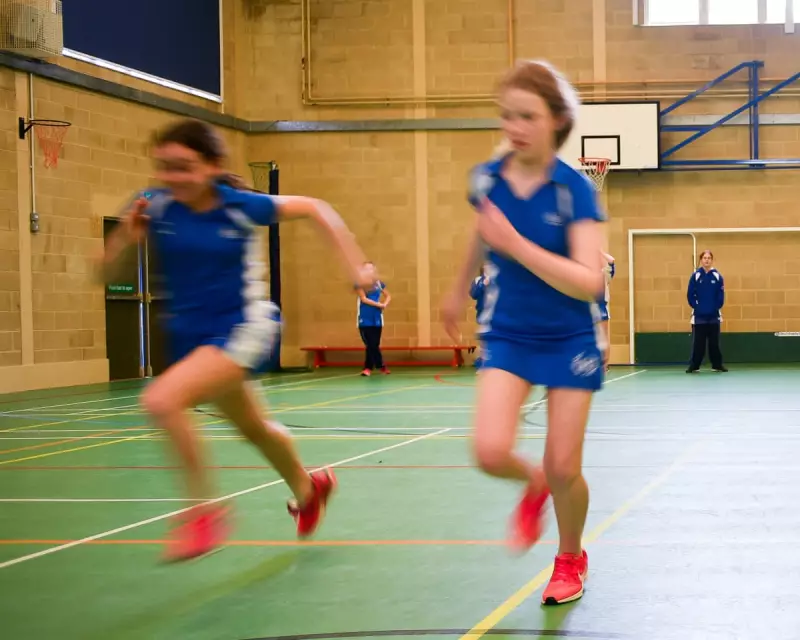
Government Departments Clash Over Proposed PE Funding Reductions
A significant internal government conflict has emerged following revelations that both the Department of Health and Social Care (DHSC) and the Department for Education (DfE) have proposed substantial cuts to physical education funding in schools. This development directly contradicts previous ministerial commitments to combat childhood obesity through enhanced school sports programmes.
Funding Withdrawal Threatens School Sports Reforms
The Guardian has learned that the DHSC, under Health Secretary Wes Streeting, initially planned to terminate its entire £60 million annual contribution to PE funding from the 2026/27 academic year. Although ministers have since intervened to restore this funding following media inquiries, the DfE continues to propose cutting an additional £60 million from its own PE budget. These combined reductions would have represented approximately one-fifth of total PE funding, with the remainder primarily sourced from the DfE and a minor contribution from the Department for Culture, Media and Sport.
Whitehall insiders have expressed concern that these proposed cuts would jeopardise upcoming curriculum reforms designed to guarantee at least two hours of weekly physical education for all schoolchildren. The reforms, spearheaded by Education Secretary Bridget Phillipson, aim to replace the existing sports premium with a comprehensive PE and school sports partnership network beginning next academic year.
Contradicting Obesity Prevention Commitments
These funding reduction proposals appear particularly contradictory given recent ministerial statements addressing childhood obesity. In November last year, Health Secretary Wes Streeting emphasised his department's commitment to helping schools tackle this growing health crisis, stating: "This government will not look away as kids get unhealthier and critics urge us to leave them behind. Obesity robs children of the best possible start in life, sets them up for a lifetime of health problems, and costs the NHS billions."
The timing of these proposed cuts is especially concerning given recent statistics revealing a significant decline in PE provision. Government figures published last year showed nearly 4,000 fewer hours allocated to physical education in secondary schools, with the most substantial reductions affecting 11-14 year olds – the demographic experiencing the fastest growth in obesity rates.
Growing Concerns About Children's Inactivity
Sporting organisations including Sport England have been highlighting an escalating crisis of inactivity among young people, with fewer than half of children meeting the Chief Medical Officer's physical activity guidelines. The Youth Sport Trust reported last year that nearly 20% of students have experienced cancelled PE lessons during the current academic year, while 71% of surveyed young people expressed a desire to be more active at school.
Prime Minister Keir Starmer recently emphasised the importance of school sports access, particularly in the days preceding the Lionesses' participation in the UEFA Women's Euro 2025. He committed to ensuring "equal access to high quality PE and sport" and announced requirements for schools to publicly advertise their sports offerings to parents.
Proposed Reforms and Resolution Efforts
The planned PE reforms intend to address regional disparities in sports provision through partnerships between schools and local sports clubs. Chief Secretary to the Prime Minister Darren Jones is expected to mediate the inter-departmental dispute over the coming days as the government seeks to reconcile budget constraints with its public health commitments.
This funding controversy highlights the ongoing tension between fiscal responsibility and public health priorities within government, particularly concerning preventative health measures that could reduce long-term NHS costs associated with obesity-related conditions.




