
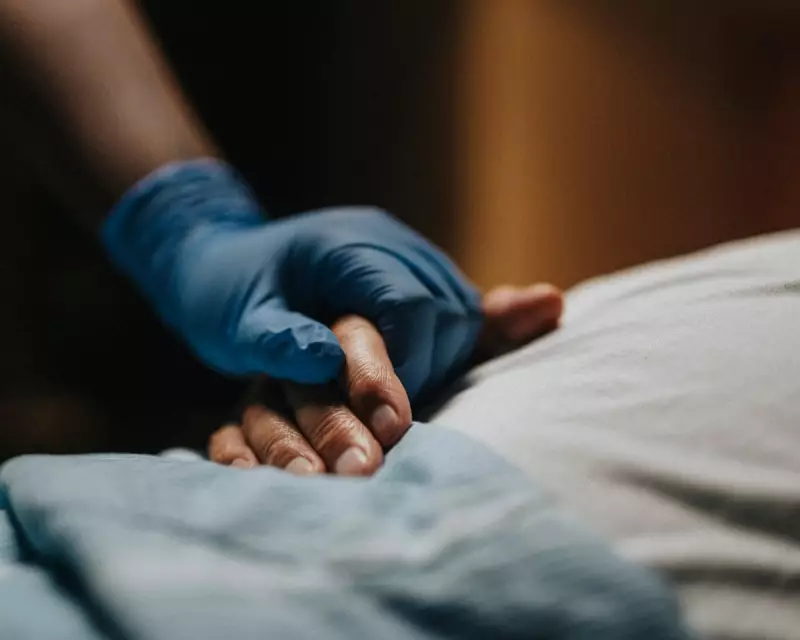
A critical shortage of funding and stark inequalities mean just over half of people in the UK who need palliative care actually receive it, according to a major commission. This crisis in end-of-life support is emerging as a central issue in the heated parliamentary debate over proposed assisted dying laws.
A System in Crisis: Hospices Forced to Cut Beds and Services
The financial foundations of end-of-life care are crumbling. Recent reports from the National Audit Office and Hospice UK paint a bleak picture of a sector in deepening trouble. Out of 2,000 hospice beds in England, 380 are now out of use, slashing thousands of days of vital care annually. Many hospices are implementing severe cuts; for example, Derbyshire’s Ashgate Hospice can now only staff six of its 15 inpatient beds.
The consequence is clear: for the first time, the number of patients supported by UK hospices—310,000 last year—has plateaued, with many institutions resorting to waiting lists. Nearly 60% of hospices ended their last financial year in deficit, relying heavily on charity shop income due to a lack of proper service contracts and agreed commissioning costs from health authorities.
According to the Commission on Palliative and End-of-Life Care, the scale of unmet need is vast. Between 450,000 and 540,000 of the 600,000 people who die each year in the UK would have benefited from palliative care but did not receive it. While most people express a preference to die at home, the reality is that 43% of deaths occur in hospital.
Inequality in Death: The Poorest and Minority Communities Hit Hardest
The crisis is not felt equally. Evidence shows that poorer communities are less likely to have access to hospice services than wealthier ones. This is compounded by the shocking statistic that more than one in four people who die between the ages of 20 and 65 are in poverty. Furthermore, as highlighted by Dr Jamilla Hussain, a palliative care consultant in Bradford, ethnic minority communities are also less likely to access end-of-life care services.
The government has promised an overhaul to improve home care access and reduce A&E visits, and recently allocated £100 million for adult hospices and £80 million for children’s care. However, Hospice UK states these funds have been wiped out by rising staffing costs and local health authority decisions, leaving the sector warning of a longer-term funding catastrophe.
The Assisted Dying Debate: A Question of Priority and Diverging Laws
This crisis forms the backdrop to urgent parliamentary scrutiny of assisted dying legislation. The House of Lords is conducting line-by-line committee examinations of a bill for England and Wales on 5 and 12 December. Meanwhile, Scotland has recently completed the second stage of its own bill, which critics find even more concerning.
Former Prime Minister Gordon Brown argues the priority must be fixing palliative care before proceeding with assisted dying. He warns that the current legislation risks creating a legal right to die without guaranteeing an equivalent right to quality care for those nearing death. A June 2025 poll by Care Not Killing found 65% of the public agree the government should prioritise sorting out palliative and social care first.
A significant and troubling divergence is also emerging between the proposed laws. The Westminster bill includes a six-month life expectancy criterion and requires a multidisciplinary panel to issue a certificate of eligibility. The Scottish bill, however, has no specified timeframe, is entirely doctor-led, and would allow assisted dying when a condition is "reasonably expected" to cause premature death. This sharp divide raises the possibility of a two-tier system within Britain and could lead to people moving between territories, prompting calls for intensive consultation between the parliaments.
The central message from healthcare advocates is unequivocal: assisted living matters too. With time running out, the Lords and MPs face a historic choice—whether to sanction assisted dying amidst a broken care system, or to first deliver on the fundamental right of every citizen to a dignified and supported end of life.




