
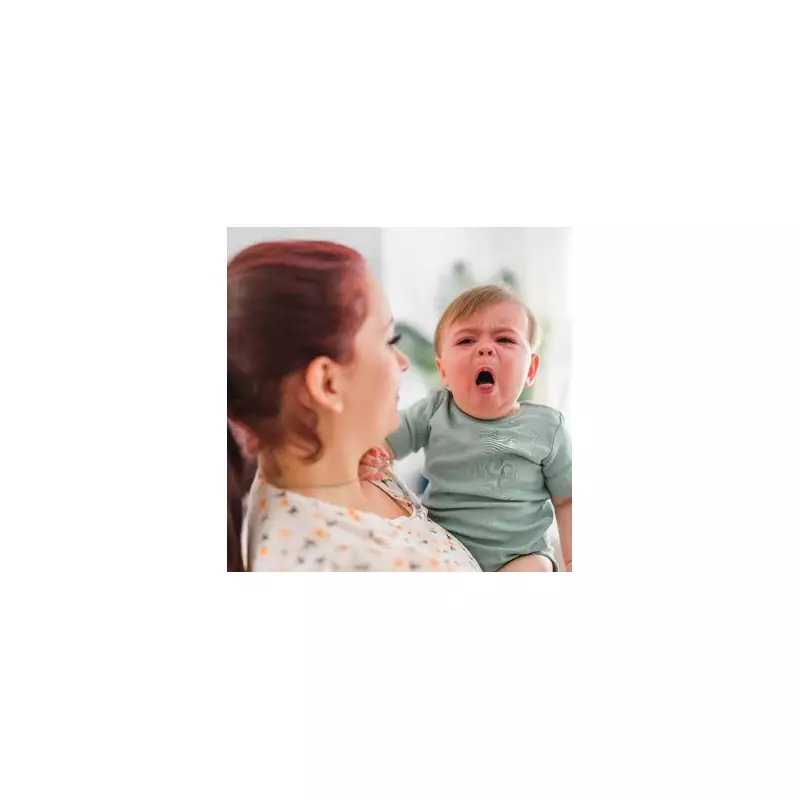
The UK government is launching a major national clinical trial for a new whooping cough vaccine, following the country's worst outbreak in forty years during 2024. The disease led to the tragic deaths of eleven babies last winter, highlighting an urgent need for more effective prevention methods.
A Groundbreaking New Defence Against Infection
In response to the crisis, health officials are initiating a study for a pioneering nasal spray vaccine named BPZE1. This represents a significant shift, as it would be the first vaccine designed to eliminate the whooping cough bacteria from the nose and throat, potentially stopping carriers from spreading the infection.
Currently, the NHS offers an injectable vaccine to pregnant women to protect newborn infants. However, while this safeguards babies, it does not prevent individuals from carrying and transmitting the Bordetella pertussis bacteria to others.
Preliminary findings from the Champion-1 study, which involved 53 adults and was published in The Lancet Microbe journal, are promising. Professor Robert Read, who led the research at the NIHR Southampton Biomedical Research Centre, stated: "This is the first time a whooping cough vaccine has been shown to prevent the bacteria from colonising the nose and throat in humans. That could represent a big step forward in stopping the spread of the disease."
Understanding the 2024 Outbreak and Key Symptoms
The scale of the 2024 outbreak was stark. Health authorities recorded approximately 15,000 cases in England alone, a dramatic surge from just 856 cases the previous year. Alongside the eleven infant deaths, a further eleven fatalities were noted in older individuals, predominantly those over 60.
Whooping cough, medically known as pertussis, is a highly contagious respiratory infection. Recognising its symptoms is vital for parents and caregivers:
- Early signs mimic a common cold: a runny nose and sore throat.
- After about a week, severe coughing bouts develop, lasting several minutes and often worsening at night.
- Coughing fits can be so intense they cause vomiting, a red or flushed face, and extreme fatigue.
- The classic 'whoop' sound—a gasp for breath—may occur in children but is not always present, especially in babies and adults.
For infants under twelve months, the risks are particularly severe, including complications like pneumonia, dehydration, breathing difficulties, and seizures.
The Path Forward and When to Seek Emergency Help
The new national trial has received backing from the National Institute for Health and Care Research (NIHR). If further trials confirm the vaccine's efficacy and it gains regulatory approval, it could be administered to both children and adults, creating a stronger barrier against future outbreaks.
While case numbers are considerably lower in 2025—with 896 reports between January and June compared to 15,153 in the same period last year—vigilance remains essential. The NHS advises calling 999 if a child or baby:
- Has significant breathing difficulties, such as long pauses in breath.
- Their skin turns blue or grey.
- Experiences a seizure (fit).
This move towards a novel nasal spray vaccine marks a proactive effort by UK health services to learn from the tragedies of 2024 and build a more robust defence against a dangerous, yet preventable, disease.




