
New Health Toolkit Aims to Revolutionise Dog Breeding Standards
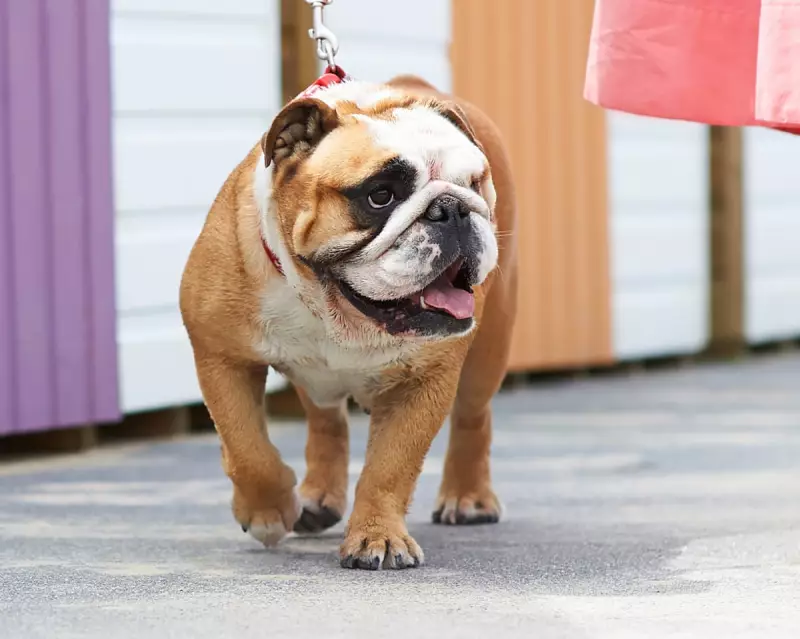
The United Kingdom has introduced a groundbreaking voluntary health assessment specifically designed to address the chronic welfare issues affecting flat-faced dog breeds. The initiative, developed by the all-party parliamentary group for animal welfare (APGAW), targets breeds such as English bulldogs, French bulldogs, and pugs that suffer from extreme physical conformations.
The Innate Health Assessment: A Breeding Revolution
Scientists have created a comprehensive toolkit called the innate health assessment (IHA) that evaluates dogs across ten critical health traits. To be deemed suitable for breeding, dogs must pass at least eight of these criteria. The assessment focuses on eliminating characteristics that contribute to health disorders, including:
- Merle or mottled colouration patterns
- Excessive wrinkly skin
- Bulging, outward-turning eyes
- Drooping eyelids
- Significant underbite or overbite
- Restricted muzzle structure that impedes breathing
Professor Alexander Trees, a veterinary surgeon and APGAW co-chair, described the initiative as potentially transformative. "The fashion for extreme conformation is arguably the most chronic and prevalent welfare issue in dogs in the UK," he stated, noting the paradox that such practices persist "in plain sight in a nation of animal lovers."
Breeder Response and Implementation Challenges
While the breeding community has largely welcomed the initiative, significant concerns remain about its practical implementation. Vicky Collins-Nattrass, health coordinator at the Bulldog Breed Council for 15 years, praised the assessment but highlighted a major obstacle.
"Only 30% of all English bulldogs bred are registered at the Kennel Club," Collins-Nattrass revealed. "The other 70% are unregistered or have made up their own registry. They have no idea about breed standards."
She described how during the COVID-19 pandemic, when demand for dogs surged, "it was a free for all. People were churning out puppies with different mixes, different colours, furry coats... and people wanted them because they were desirable and rare. But the problems they have are not rare."
The show dog community, which represents just 2% of bulldog owners according to Collins-Nattrass, has been actively working to improve breed standards for years. "In the show ring we want heads with not so much wrinkle. We don't want the nose pushed in between the eyes. Or a noisy breathing dog. And we want tails," she explained.
Industry Support and Alternative Approaches
The Kennel Club has expressed support for the IHA in principle but is developing its own comprehensive veterinary assessment. A spokesperson stated: "We believe that for our pedigree breeder community, veterinary involvement is crucial to ensure a consistent and robust way of assessing conformation and recording data to help breeders demonstrate progress."
However, the organisation confirmed it "will not require owners or breeders to take part in this particular assessment," indicating that participation will remain voluntary.
Recent research from the Royal Veterinary College suggests public attitudes may be shifting toward healthier dog conformations. A survey conducted in the UK showed participants increasingly prefer less extreme body shapes in flat-faced breeds. The research paper concluded that this trend "presents major welfare opportunities to reverse the current normalisation of extreme body shapes."
The success of the voluntary assessment scheme will depend on reaching the substantial portion of breeders operating outside established breeding networks. As Collins-Nattrass posed the critical question: "How do you reach 70% of a dog population if they are not listed and no one knows who has got them?"




