
Regulator Issues Updated Safety Alert for Popular Weight-Loss Medications
The UK's medicines regulator has issued updated guidance concerning weight-loss and diabetes injections, highlighting a small but significant risk of severe acute pancreatitis associated with these treatments. The Medicines and Healthcare products Regulatory Agency (MHRA) has taken this step following a notable increase in reports of the condition through its Yellow Card safety monitoring scheme.
Widespread Use and Reported Cases
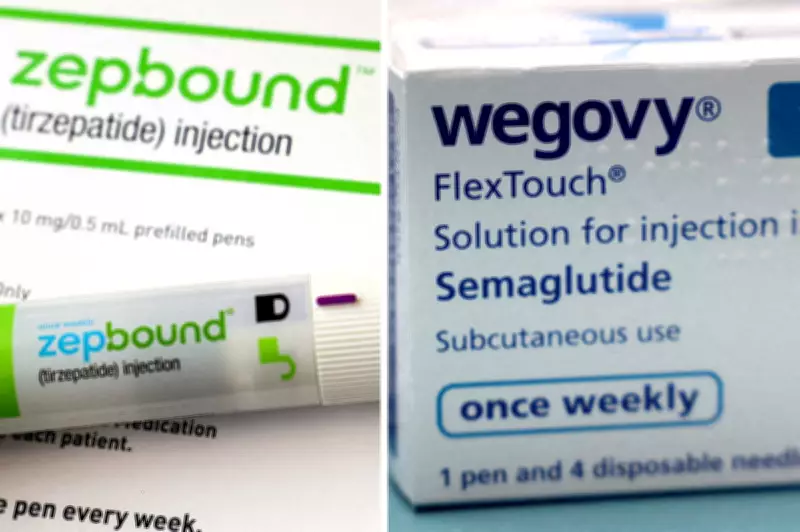
Recent research indicates that approximately 1.6 million adults across England, Wales, and Scotland utilised GLP-1 medications between early 2024 and early 2025 for weight management purposes. These pharmaceutical products include semaglutide, marketed as Wegovy and Ozempic, alongside tirzepatide, known commercially as Mounjaro.
While patient information leaflets for these medications already list pancreatitis as an uncommon side effect, affecting roughly one in every hundred patients, the MHRA has observed a concerning trend in adverse reaction reports. To date, the Yellow Card scheme has received 1,143 reports of acute and chronic pancreatitis among patients using semaglutide and tirzepatide, with seventeen fatalities recorded.
The data reveals a significant concentration of reports in 2025, with 973 cases logged during this period. Of these, 807 concerned tirzepatide while 166 involved semaglutide. Additional reports include 146 cases associated with liraglutide and 61 with dulaglutide.
Understanding Pancreatitis Symptoms
Acute pancreatitis represents a serious medical condition characterised by sudden inflammation of the pancreas, a vital gland situated behind the stomach that plays a crucial role in digestion. The condition typically manifests through several distinctive symptoms:
- Severe, persistent abdominal pain that may radiate to the back
- Nausea and vomiting
- Fever and general malaise
These symptoms often necessitate hospital admission for proper management and treatment, making awareness among patients and healthcare professionals particularly important.
Official Safety Guidance and Research Initiatives
Dr Alison Cave, the MHRA's chief safety officer, emphasised the agency's commitment to patient safety while acknowledging the overall safety profile of GLP-1 medications. "Patient safety is the MHRA's top priority and we continually monitor the safety and efficacy of all licensed medicines," she stated. "For the vast majority of patients who are prescribed GLP-1s, they are safe and effective medicines, which deliver significant health benefits."
Dr Cave further clarified: "The risk of developing these severe side effects is very small, but it is important that patients and healthcare professionals are aware and alert to the associated symptoms. If you, or someone you care for, is taking GLP-1s and you notice symptoms such as severe, persistent stomach pain that may radiate to the back and may be accompanied by nausea and vomiting, then we advise you speak to a healthcare professional and report it via our Yellow Card scheme."
In a parallel development, the MHRA announced that patients using GLP-1 medications have been recruited for the Yellow Card Biobank study. This collaborative research initiative between the MHRA and Genomics England aims to investigate whether genetic factors might influence individual susceptibility to pancreatic inflammation. The agency expressed hope that this research will eventually help predict which patients face the highest risk of adverse reactions, enabling more targeted prescribing practices.
Pharmaceutical Industry Response
Novo Nordisk, the pharmaceutical company responsible for manufacturing Wegovy and Ozempic, responded to the MHRA's announcement through an official spokesperson. "Patient safety is of the utmost importance to Novo Nordisk," the statement read. "We recommend that patients take these medications only for their approved indications and under the strict supervision of a healthcare professional, who can also advise on potential side effects. We continuously collect safety data on our marketed GLP-1 medicines and work closely with the authorities to ensure patient safety."
Eli Lilly, manufacturer of Mounjaro, has been approached for comment regarding the updated safety guidance and reported cases.
The MHRA's updated guidance comes at a time when weight-loss medications have gained significant popularity, with UK supermarkets even creating specialised food ranges to accommodate dietary needs of those using these treatments. While the regulator maintains that these medications remain safe for most patients, the increased vigilance reflects the agency's commitment to monitoring emerging safety data and ensuring healthcare professionals and patients maintain appropriate awareness of potential risks.




