
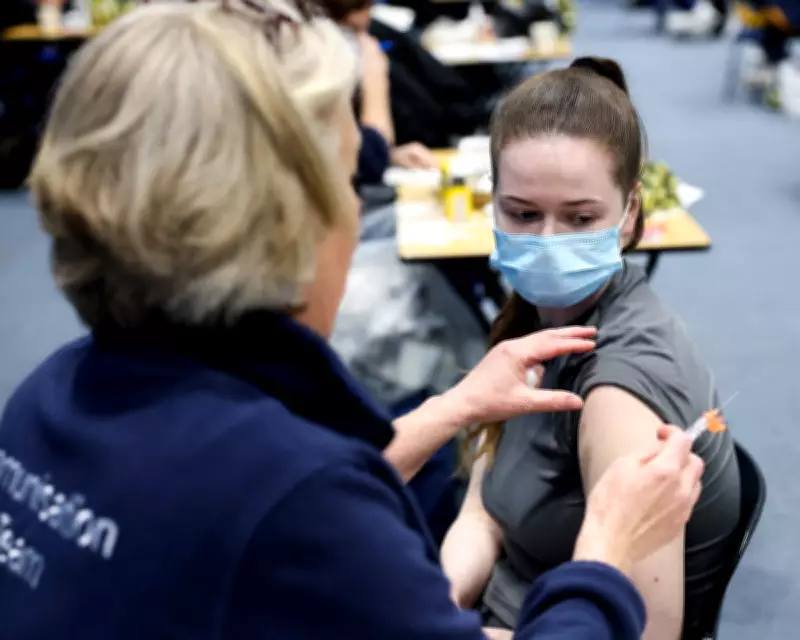
Health officials have announced an expansion of the meningitis B vaccination programme to include year 11 pupils at schools impacted by the outbreak in Kent. This move comes as figures from the UK Health Security Agency (UKHSA) indicate a decline in confirmed cases.
Case Numbers and Vaccination Efforts
As of Monday at 12:30 PM, the UKHSA confirmed 20 cases of meningitis B, with an additional three under investigation, bringing the total to 23. This represents a decrease from the 29 cases reported on Sunday, which included 20 confirmed and nine under investigation. The vaccination initiative began on Wednesday, March 18, targeting University of Kent students.
During a campus visit the following day, Health Secretary Wes Streeting revealed plans to broaden the programme to more individuals, including sixth form pupils at four schools with known or suspected cases. Ministers have since approved extending the offer to year 11 pupils at these schools, as confirmed by the UKHSA.
Outbreak Details and Patient Demographics
The UKHSA has released further information on the outbreak, revealing that the median age of patients is 19. While most cases involve individuals in education, five are not students. A significant majority, 87%, attended Club Chemistry in Canterbury at least once between March 5 and 7 before falling ill.
Most of those affected were students, and the three cases not linked to the nightclub are all University of Kent students residing in halls with connections to attendees. Officials noted that the earliest known case became unwell on March 9, with the latest on March 16. The peak of the outbreak, with the highest number of cases reported, occurred on March 13.
Strain Analysis and Treatment Effectiveness
Last week, officials identified the strain behind the outbreak as belonging to group B meningococci, with a subtype that has been present in England since 2020. However, the UKHSA suspects the bacteria's genome has multiple potentially significant genetic differences compared to closely related genomes, which are under evaluation to understand potential behavioral changes.
Analysis by the agency confirms that the strain responds to antibiotics and the meningitis B vaccine. Professor Robin May, chief scientific officer at UKHSA, stated, "This preliminary analysis offers strong reassurance that our existing vaccinations and antibiotic treatment will be effective against this strain." He added that intensive laboratory investigations will continue in collaboration with the research community to assess factors influencing the outbreak's spread.
Impact on Patients and Precautionary Measures
All patients in the Kent outbreak required hospital admission, with nine admitted to the intensive care unit, where four remain. Tragically, two students have died: 18-year-old Juliette Kenny, described by her family as "fit, healthy, and strong" before her death, and another University of Kent student.
Officials emphasize that widening the vaccination programme is a precautionary step to ensure long-term protection against meningitis B, highlighting the importance of public health measures in managing such outbreaks.




