
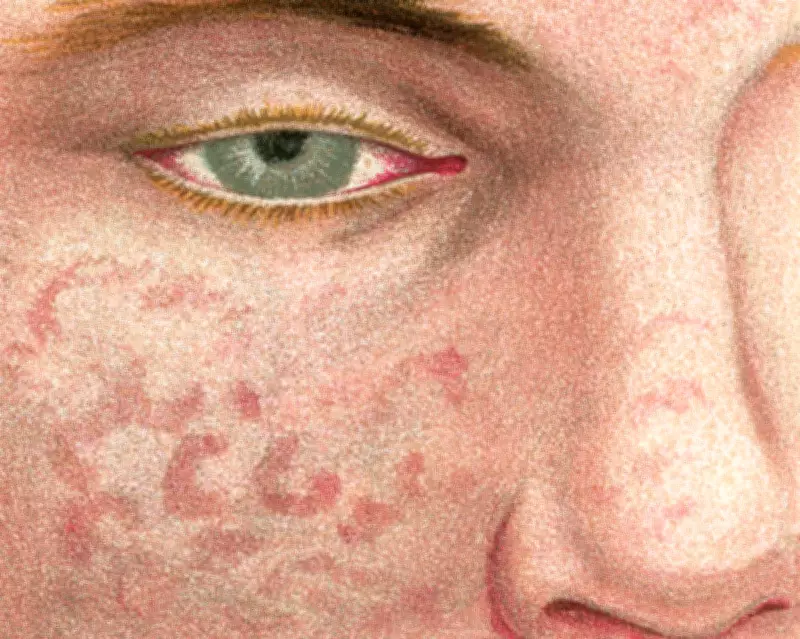
The Alarming Return of Measles in the UK
Measles, one of the world's most infectious diseases, is making a dangerous comeback in the United Kingdom. This highly contagious virus can lead to severe complications such as blindness, hearing loss, and even death. Recent data reveals a sharp increase in cases, sparking urgent concerns among health officials and the public alike.
Personal Stories of Survival and Trauma
Saijal Ladd, a 53-year-old NHS pharmacist from London, vividly recalls her harrowing battle with measles a decade ago. What she initially mistook for flu rapidly escalated into a life-threatening condition. "My body's systems had started to shut down," Ladd explains, describing how her liver and lungs struggled against the infection. Hospitalized for a week, she faced the terrifying possibility of not surviving the night. Even after discharge, she required three months off work and could barely walk short distances. Born in rural Kenya before widespread vaccination programs, Ladd had never questioned her own immunization status. Her ordeal underscores the critical importance of vaccination and serves as a stark warning.
Similarly, Davina Barrett's two-year-old son, Ezra, contracted measles during a major outbreak in the West Midlands. Despite his older brother being vaccinated, Ezra was too young for the MMR vaccine at the time. Barrett, a student mental health nurse, recounts the terrifying moment when Ezra's condition deteriorated rapidly. "He wasn't waking up," she says, her voice trembling. Hospitalized and placed on high-flow oxygen, Ezra survived but now faces potential hearing loss and speech delays. Barrett's experience highlights the vulnerability of unvaccinated children and the devastating impact of measles outbreaks.
Statistical Surge and Loss of Measles-Free Status
In a significant blow to public health, the UK recently lost its measles-free status, as declared by the World Health Organization (WHO). This status is granted when a country maintains an absence of endemic cases for at least 12 months. While transmission briefly halted in 2016 and 2017, it resumed in 2018. The pandemic provided a temporary lull, but since 2023, continuous transmission has returned with alarming intensity.
Case numbers tell a troubling story:
- In 2023, there were 481 reported cases, a dramatic increase from 63 in the previous year.
- By 2024, this number skyrocketed to 3,681 cases across the UK, with 2,911 occurring in England.
- Although 2025 saw a slight decrease to 957 cases, outbreaks remained persistent and widespread.
The majority of cases involve children aged 10 and under, with half concentrated in London. This pattern mirrors trends across Europe, where declining vaccine uptake is fueling similar crises.
The Critical Role of Vaccination
The WHO emphasizes that herd immunity through widespread vaccination is the only effective way to prevent measles outbreaks. Achieving 95% coverage is essential due to the virus's extreme contagiousness. Measles can remain infectious in the air or on surfaces for up to two hours, and a single infected individual can transmit the virus to 18 others. Unvaccinated individuals have a 90% chance of contracting the disease if exposed.
The UK introduced the first measles vaccine in 1968, followed by the combined MMR (measles, mumps, rubella) vaccine in 1988. Recently, the program expanded to include the MMRV vaccine, which also protects against varicella (chickenpox). The vaccine is administered in two doses: the first at 12 months and the second, as of last month, at 18 months. Completing both doses provides immunity for approximately 99% of recipients.
However, vaccination rates have declined concerningly. In 2024, the UK's average coverage was 92.3% for the first dose but only 84.4% for the second, a drop exacerbated by the pandemic. Some areas, such as Hackney in east London, report alarmingly low uptake, with just 65.3% receiving the first dose.
Drivers of the Crisis: Misinformation and Accessibility
Dr. Vanessa Saliba, a consultant epidemiologist at the UK Health Security Agency (UKHSA), attributes the measles resurgence to a combination of factors. "It kicked off towards the end of 2023 with outbreaks in Birmingham and Coventry," she notes, explaining how the virus quickly spread to other regions. Saliba identifies misinformation as a significant contributor, amplified by social media platforms like TikTok and Facebook. Despite overwhelming evidence debunking false claims, such as the discredited link between MMR and autism, vaccine skepticism persists.
Dr. Ben Kasstan-Dabush, an assistant professor at the London School of Hygiene and Tropical Medicine, points to systemic issues. He argues that austerity measures and service cuts have compromised vaccine accessibility, particularly in high-deprivation areas. "That year-on-year pattern of decline in vaccination coverage overlaps strongly with a period of austerity," he states, highlighting reductions in health visitor programs and Sure Start centers. Kasstan-Dabush also stresses the need for tailored community engagement to address language barriers and cultural concerns.
Severe Complications and Long-Term Effects
Measles is far from a mild illness. Even in high-income countries like the UK, it proves fatal in approximately one in 5,000 cases. Recent years have seen tragic deaths, including two in 2025: one adult and one child with underlying health conditions. Complications can be severe and lifelong:
- Subacute sclerosing panencephalitis (SSPE): A fatal neurological condition that can emerge up to eight years after infection, affecting about one in 50,000 cases.
- Immune amnesia: The virus can wipe out the immune system's memory, leaving survivors vulnerable to other infections.
- Other risks: Pneumonia, encephalitis, severe diarrhoea, ear infections, hearing loss, and blindness.
Alan Crowther, 60, serves as a poignant example. He contracted measles as a child before the vaccine was available, resulting in profound hearing loss and blindness. Today, he retains only 15% of his hearing and 10% of his sight. His message to hesitant parents is simple yet powerful: "Come and sit with me."
Urgent Calls to Action
Health experts unanimously urge immediate measures to curb the measles crisis. Key recommendations include:
- Boosting vaccination rates: Ensuring equitable access to MMR catch-up programs for all age groups.
- Combating misinformation: Leveraging trusted NHS channels to provide accurate, evidence-based information.
- Improving accessibility: Offering flexible GP appointments and reinstating community-based vaccination services.
- Tailored outreach: Engaging diverse communities with translated materials and culturally sensitive approaches.
The resurgence of measles in the UK is a stark reminder of the importance of vaccination. As cases continue to rise, proactive efforts are essential to protect public health and prevent further tragedies.




