
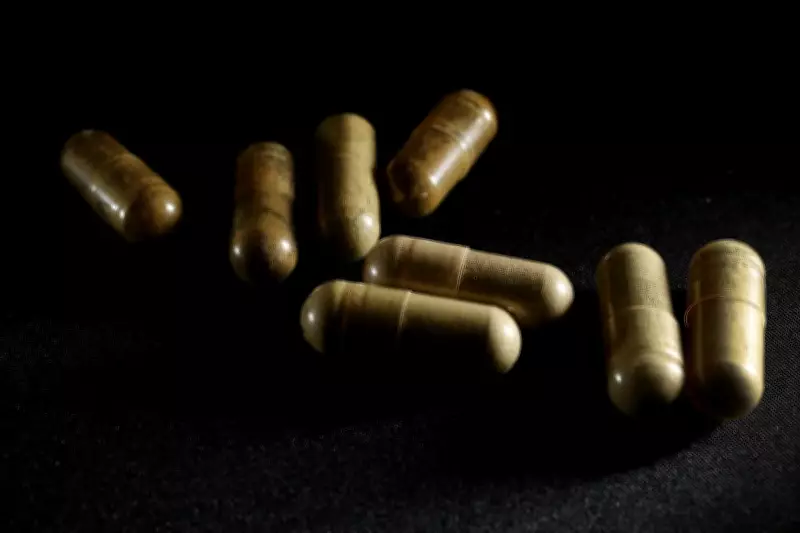
Kratom Poisonings Skyrocket in the US, Fueled by Synthetic Versions
A recent report from the Centers for Disease Control and Prevention (CDC) reveals a staggering increase in kratom-related poisonings across the United States, with cases soaring by approximately 1,200% over the past decade. The data highlights a particularly sharp surge in 2025, raising alarms among health officials and experts. However, many specialists argue that this dramatic rise is likely driven by synthetic derivatives, such as 7-hydroxymitragynine (7-OH), rather than natural kratom itself.
Experts Point to Synthetic 7-OH as Primary Culprit
Walter Prozialeck, a pharmacology professor at Midwestern University, expressed little surprise at the CDC findings, noting that the introduction of 7-OH has significantly impacted poisoning statistics. This compound, found only in trace amounts in the natural kratom leaf, has been widely synthesized and marketed as an enhanced form of kratom since around 2024. Christopher McCurdy, a chemist and pharmacologist at the University of Florida, explained that 7-OH has been promoted in energy drinks and other products, leading to confusion in poison control reports that often equate it with natural kratom.
Austin Zamarripa, a psychiatry professor at Johns Hopkins University, emphasized that distinguishing between 7-OH and natural kratom is critically important. He stated that this distinction remains severely underappreciated in public debates, creating a serious consumer safety issue. Synthetic 7-OH carries risks similar to opioids, including severe addiction, withdrawal symptoms, and respiratory depression that can lead to overdose.
Natural Kratom: A Safer Alternative with Therapeutic Benefits
In contrast, natural kratom, derived from the Mitragyna speciosa plant native to Southeast Asia, has been used for centuries as a natural pain reliever. Multiple studies in animals and humans have shown it to be relatively safe. In 2018, Brett Giroir, then secretary of the Department of Health and Human Services, rejected a proposal to criminalize kratom, citing insufficient evidence for such a classification. A 2019 FDA pilot study co-authored by McCurdy found no serious adverse effects from kratom, with vomiting being the primary negative symptom.
Experts like Zamarripa, McCurdy, and Prozialeck dispute the characterization of natural kratom as an opioid. They note that while it partially binds to opioid receptors, it also activates adrenergic and serotonin receptors, which may explain its lower euphoric effects and reduced risk of respiratory depression compared to classical opioids.
Patients Rely on Kratom for Pain and Addiction Recovery
Despite the safety profile of natural kratom, many states have implemented or proposed blanket bans on all kratom products, causing distress among users who depend on it for medical purposes. A recent survey indicates that about half of kratom users struggle with chronic pain, while approximately 40% are in addiction recovery.
Personal stories underscore its importance. Jeff Maslan, a 68-year-old California resident with severe osteoarthritis, uses kratom to manage withdrawal symptoms after surgeries that previously led to opioid addiction. Steven, another Californian in his late 40s with a painful heart condition, turned to kratom when his oxycodone prescription was abruptly revoked, finding relief from unbearable withdrawal. Misty Brown, an advocate, accidentally discovered kratom helped her overcome recreational opioid use without producing a high.
Risks and Regulatory Challenges
While natural kratom is considered safer, experts caution about potential risks. Zamarripa noted that fatal poisonings involving kratom almost always include other substances like fentanyl, which could indicate relapse. Kratom itself can be addictive, though less so than traditional opioids, and some products have been found to contain heavy metals from unclear sources.
Zamarripa advocates for differentiated regulation, suggesting that concentrated 7-OH products should be controlled separately to preserve access to natural kratom for those who benefit from it. He warned that overly broad restrictions could deprive individuals of meaningful therapeutic options, echoing Steven's analogy that banning all kratom products is as illogical as treating corn, corn syrup, and whiskey identically simply because they derive from corn.




