
NHS Junior Doctors' Strike Enters Critical Phase With No Resolution
Resident doctors in England have launched another significant strike action, this time lasting six days, as tensions between medical professionals and the government reach new heights. The industrial action, which began in early April 2026, represents the latest chapter in an ongoing dispute that has plagued the National Health Service for years.
Negotiations Break Down Despite Initial Progress
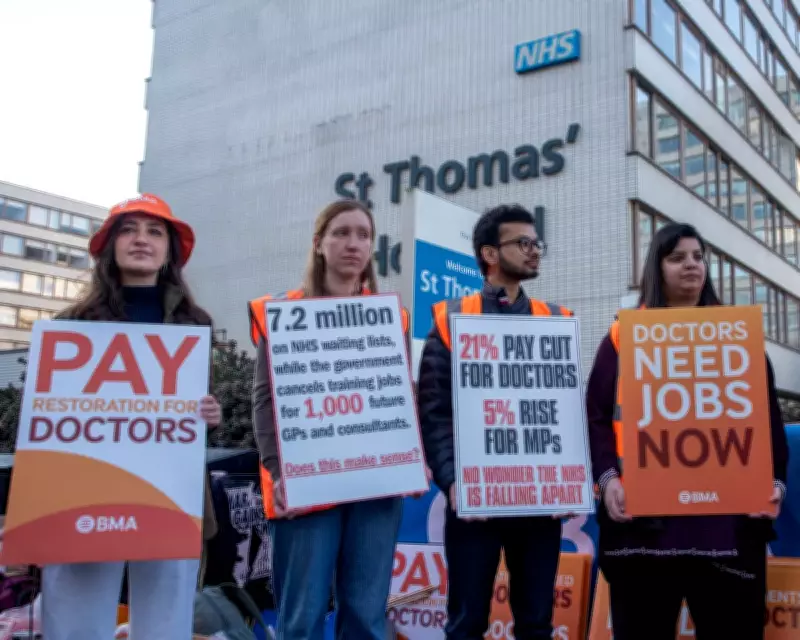
What began as promising negotiations between the British Medical Association and Health Secretary Wes Streeting's team has deteriorated into a stalemate. After weeks of discussions that appeared to be moving toward resolution, talks collapsed at the final stage. The BMA claims the government introduced last-minute changes that watered down their agreement, while Streeting maintains the doctors' demands for a 26% pay increase to restore 2008 salary levels are "impossible" to meet.
The Health Secretary has pointed out that junior doctors have already received substantial pay increases, stating they are "by a country mile the standout winners of the entire public sector workforce when it comes to pay rises." This fundamental disagreement has created a deadlock with neither side showing signs of compromise.
Financial and Operational Impact on NHS
The financial toll of the ongoing industrial action has been staggering. According to NHS estimates, paying senior consultants to cover for striking junior doctors costs approximately £50 million per day. Since strikes began in March 2023, this has accumulated to around £3 billion that could have been allocated to additional treatments, staff recruitment, and community clinics.
Despite the disruption, NHS services have maintained surprisingly high levels of operation. The system currently delivers about 95% of treatments during strike periods, with waiting times largely unaffected. Emergency departments have even reported improved efficiency in some cases, as senior specialists rather than junior doctors handle patient care.
Training Crisis Compounds Pay Dispute
Beyond compensation issues, a critical shortage of training positions represents another major concern for junior doctors. When the current government took office, only one in four newly qualified doctors could secure positions in their chosen specialties. The administration has attempted to address this through emergency legislation prioritizing British-educated applicants and promising additional training places.
However, these efforts have been complicated by the strike action. The government has threatened to withhold 1,000 promised training positions unless the BMA calls off strikes and presents their latest offer to members. This retaliatory approach has further strained relations between the negotiating parties.
Changing Public Sentiment and Internal Divisions
Public support for the doctors' action has shown a gradual decline with each successive strike. While initial surveys showed strong backing for medical professionals, recent polling indicates only 38% of the public now support the industrial action, with 53% opposed. This shift reflects growing frustration with ongoing healthcare disruptions.
Within the medical community itself, divisions are becoming more apparent. Voting participation in BMA strike ballots has decreased from 78% in 2023 to just 53% in the most recent February ballot, though those who do vote continue to overwhelmingly support industrial action. Many junior doctors can recoup lost wages through overtime and weekend work after strikes conclude, reducing their financial sacrifice.
Broader Economic Context and Future Implications
The junior doctors' pay demand of 26% to restore 2008 salary levels reflects a broader economic reality affecting workers across both public and private sectors. With national median pay at approximately £39,000, junior doctors' starting salaries of £40,000 rising to £76,500 in later training years place them in a complex position relative to other professionals.
Medical professionals often compare their compensation to equivalent high achievers in fields like commercial law or finance, creating expectations that conflict with government budget constraints. Meanwhile, new doctors face unprecedented student debt burdens, often exceeding £100,000, unlike previous generations who benefited from free accommodation and minimal loans.
No Clear Path Forward
The current impasse shows no signs of resolution. With the BMA council in the midst of elections featuring an unprecedented 247 candidates for 69 seats, activist voices are likely to dominate decision-making, making compromise particularly difficult at this moment. Simultaneously, the government's increasingly confrontational approach has further poisoned the negotiating atmosphere.
Senior medical professionals express torn sympathies, understanding junior doctors' frustrations with training opportunities and financial pressures while recognizing the disruption to patient care. As one consultant overseeing junior doctors noted, having to cancel patient appointments creates ethical dilemmas that highlight the human cost of the ongoing dispute.
With both sides entrenched in their positions and no mediation breakthrough in sight, the NHS faces continued uncertainty. The financial drain of covering strike actions, combined with potential long-term damage to medical training and staff morale, creates a perfect storm that threatens to undermine healthcare delivery for years to come unless a sustainable resolution can be found.




