
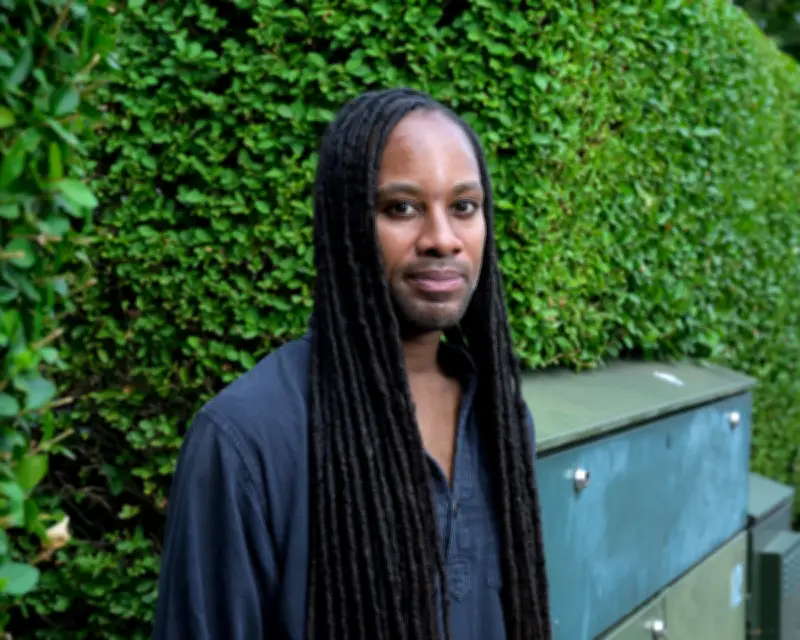
The recent scandal surrounding Professor Jason Arday has ignited a broader debate about the integrity and fairness of UK academia, with readers highlighting systemic failures in appointment and promotion processes. While the focus has been on Arday's alleged CV embellishments, many argue that such practices are not isolated but symptomatic of a system that often overlooks exaggerated claims, particularly from those with institutional privilege.
Systemic failures in academic hiring and promotion
One reader, who wished to remain anonymous, shared their experience of witnessing and reporting apparent falsehoods in promotion applications, only to see the applicants promoted without repercussions. In one case, an applicant claimed to have delivered keynote addresses at conferences, but websites showed they were only ordinary speakers. In another, an applicant listed as a 'data collection contributor' claimed co-authorship of a book. Both applicants were white and were promoted despite the discrepancies.
This lack of accountability, the reader suggests, stems from overworked colleagues with little time to fact-check and a system that relies heavily on applicants' honesty. The pressure to meet increasingly demanding and sometimes unattainable standards may be driving such behavior, especially as competition for academic posts intensifies with the number of PhD graduates outpacing permanent job availability.
Meritocracy myth and 'chumocratic' culture
Professor Salim Khakoo of the University of Southampton argues that the Arday case reveals that academia is not purely meritocratic. He points to a 'chumocratic' culture that promotes like-minded individuals, often excluding ethnic minorities or those who question the establishment. Low-level racism is common, and career-defining decisions such as promotion, publication, and grant success are subjective. Khakoo also references the tragic suicide of Professor Stefan Grimm in 2014 as evidence of intense academic pressures.
He concludes that while it is unclear whether Arday is a perpetrator or a victim, the academic environment in which he operated is unlikely to be blameless.
The trap of 'Black excellence' narratives
Memuna Forna from London expresses concern about the framing of Arday as the youngest Black professor in Cambridge's history, a story of triumph over adversity. She argues that this narrative sets a trap, suggesting Black excellence is only coherent when it becomes a redemption story. Equality, she says, doesn't require anyone to be a miracle. Forna, who is not signing petitions declaring the allegations 'entirely false', still plans to buy Arday's book, believing he has been let down by more than himself.
Colton Richards from London sees Arday as representing several things: an obsession with Black 'inspiring stories', a man trapped in a habit of making things up, a reminder that the path to flourishing while Black is to be better than perfect, and how a coordinated campaign can take down a victim. All these points, he says, are true.
Calls for compassion and institutional accountability
Linda Rhead from Hampton appreciates the sanity of Jason Okundaye's piece, noting the hype and spiteful sniping surrounding the case. She feels Cambridge University did little to cover itself in glory and urges compassion for Arday, who may be going through a difficult time.
Dr Isabel Shutes of the London School of Economics and Political Science finds it concerning that Arday's resignation is a huge loss. She points out that more egregious displays of ego in academia are far from rare, and questions what it takes for institutions to act to protect Black staff and students. Experiences of racism are well documented, and the psychological toll is significant. Instead of undermining those who seek help, she asks, what would it take for us to listen and understand?
Remembering kindness in academia
Another anonymous reader highlights that within higher education, Arday is well known for the kindness he promotes, and thousands of students and staff will attest to this. In today's world, particularly given recent coverage, the significance of this should not be underestimated. The accusations raise polarizing issues, but the reader urges commentators to remember principles of respect, humanity, and kindness.
As the debate continues, it is clear that the Arday affair has touched a nerve, prompting reflection on the values and practices of UK universities. The need for more checks and verifiable criteria to prevent future scandals and restore confidence in academic integrity is a recurring theme in readers' responses.




