
The Hidden Journey of Your Donated Blood
After a pint of blood is drawn from your arm, most donors enjoy a complimentary snack and resume their day. However, that blood embarks on a critical journey through freezers, high-tech machinery, and across borders to produce life-saving medicines. Metro recently visited one of the UK's three blood manufacturing sites in Colindale, north London, to uncover the fate of each donated bag.
Processing the Liquid Gold
At the NHS Blood and Transplant hub in Colindale, up to 2,000 bags of whole blood arrive daily. A race against time begins to process these packs within 27 hours of donation to preserve product quality. Scientists work tirelessly to extract what is often called liquid gold—a process essential for the NHS's future.
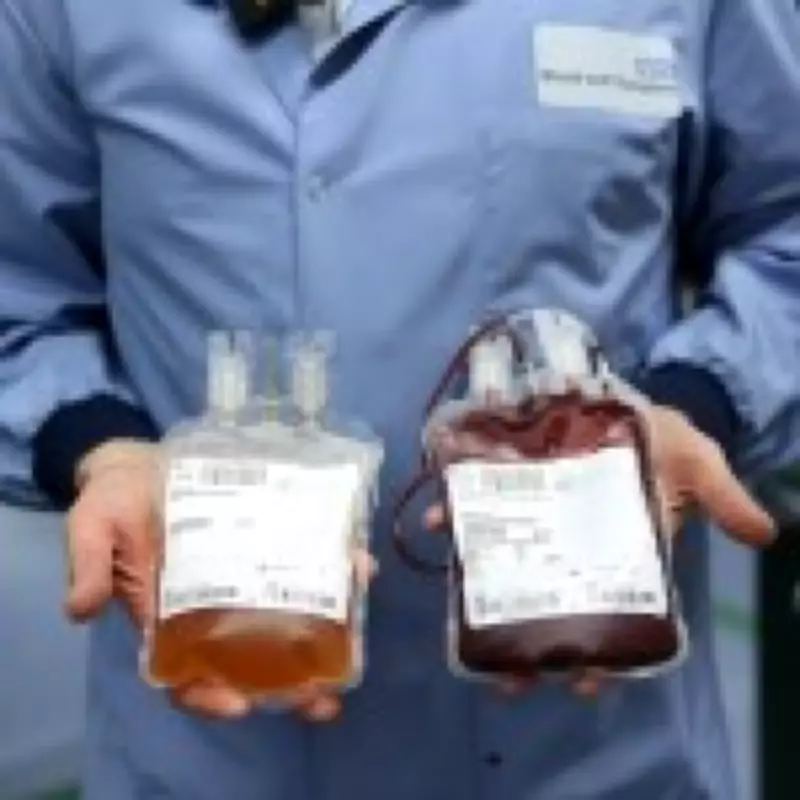
Red blood cells, used for trauma and surgery patients, are one key product. Yet, 55% of blood is plasma, a yellowish fluid rich in antibodies. This plasma is pivotal for creating medicines that save and enhance lives.
Separation and Storage
Your 470ml blood bag is first filtered to remove white blood cells. Staff, often working overnight, then place it in a centrifuge, spinning it to separate plasma from red blood cells. A press pumps these into different bags.
Red cells are stored at 4°C until safety tests, analyzed in Bristol, confirm they are ready for hospitals. Donors receive a text when their blood is used, specifying the recipient hospital.
Plasma, however, undergoes blast freezing to -20°C within an hour. Some bags go directly to hospitals for severe bleeding cases, while others are destined for medicine production.
Transforming Plasma into Medicine
Plasma is used to produce immunoglobulins, treating over 50 autoimmune conditions, and albumins for burns and injuries. Annually, more than 17,000 people rely on immunoglobulins.
Until 2021, a 25-year ban on using UK plasma for these medicines existed due to concerns about Creutzfeldt-Jakob disease. Since the ban was lifted, the first UK-derived immunoglobulins reached an NHS patient in March 2025.
Currently, the NHS lacks technology to process plasma into vials domestically, so it is shipped to Europe. While awaiting export, plasma is stored at -40°C, requiring protective gear for workers.
Challenges and Future Goals
Despite progress, the UK remains over 75% dependent on imported immunoglobulins. Jan Majkowski, Plasma Performance Lead at Colindale, emphasized plasma's critical role in treating rare and common diseases like haemophilia.
NHSBT urges more donations to enhance self-sufficiency, aligning with the government's 10-Year Health Plan to reduce reliance on imported medicines. Plasma-only donation centers in Birmingham, Reading, and Twickenham allow donations every two weeks, compared to four for blood.
Plasma also yields clotting factors for bleeding disorders and platelets for cancer treatments, kept viable on agitators. Annually, 800,000 people donate blood, but a shortfall of over 200,000 donors persists, with a particular need for Black heritage donors due to the Ro subtype vital for sickle cell disorder treatment.




