
Free Meals Turn Sour as Poisoning Cases Mount
Indonesia's ambitious free nutritious meals programme, launched with great fanfare by President Prabowo Subianto, continues to operate despite mounting cases of food poisoning affecting thousands across the archipelago nation. The initiative, designed to combat malnutrition and stunted growth among children and vulnerable groups, has become mired in controversy as parents report disturbing incidents including maggots in tempeh and glass shards in rice.
Children's Lives at Risk
The human cost of the programme's implementation failures became painfully clear for Rini Irawati, who discovered her 16-year-old daughter Nabila pale and struggling to breathe in an emergency centre in West Java. "My heart was shattered," Rini recalled, describing the aftermath of her daughter consuming a government-provided school meal in October that left Nabila and 500 other students violently ill. The teenager required three days of hospital treatment following the incident.
Aep Kunaepi, who works at the shelter where Nabila received initial treatment, expressed shock at the scale of the outbreak. "I've seen nothing like it, even during Covid-19," he noted, highlighting the unprecedented nature of the food safety crisis.
According to the Indonesian Education Monitoring Network, an NGO tracking the programme's safety record, more than 15,000 poisoning cases have been documented nationwide. The outbreaks show no signs of abating, with September alone seeing over 1,300 children fall ill in Cipongkor, West Java, alongside other significant incidents in Yogyakarta, Central Java and Sumatra.
Government Response and Growing Anger
President Prabowo has defended the programme, describing the poisoning cases as representing just "0.0017% - quite a proud achievement" given that more than a billion meals have been served. He has emphasised the policy's success in improving school attendance and academic achievement.
However, facing mounting public anger and organised protests by mothers' groups, the government has been forced to act. Prabowo recently drafted a decree introducing new food safety regulations, while BGN head Dadan Hindayana committed to achieving "zero incidents" through stricter hygiene protocols and smaller kitchen operations.
The national nutrition agency, known as BGN, has temporarily suspended 132 kitchens, with 27 having been retrained and cleared to reopen. BGN spokeswoman Dian Fatwa acknowledged shortcomings, stating "We admit we are not perfect", while maintaining that improvements are being made constantly. The agency's official count of food poisoning incidents stands at 6,517 cases by September's end - significantly lower than NGO estimates.
Expert Warnings and Political Fallout
Nutrition and policy experts have raised serious concerns about the programme's rapid expansion. Jakarta-based nutritionist Dr Tan Shot Yen, representing the Mother and Child Health Movement advocacy group, warned that "bacterial contamination like salmonella or E coli could become endemic if unchecked." She attributed the problems to careless implementation driven by excessive focus on scale.
Diah Saminarsih, founder of the Centre for Indonesia's Strategic Development Initiatives, criticised the programme's "gigantic" scale, noting that in West Java, "one kitchen may cater to 3,500 students", making quality control virtually impossible for nutritionists. She highlighted the absence of a strong regulatory framework for a project costing £15.2bn by 2026.
Indonesian political researcher Made Supriatma, a visiting fellow at Singapore's ISEAS-Yusof Ishak Institute, suggested the programme was intended as a "quick win" for Prabowo's first 100 days in office but has instead "turned into a huge problem" generating significant public anger.
Transparency concerns have also emerged, with Egi Primayogha of Indonesia Corruption Watch noting that despite the massive budget, "there is not one single regulation which ensures it will be managed in a transparent and accountable way."
Contrasting Experiences on the Ground
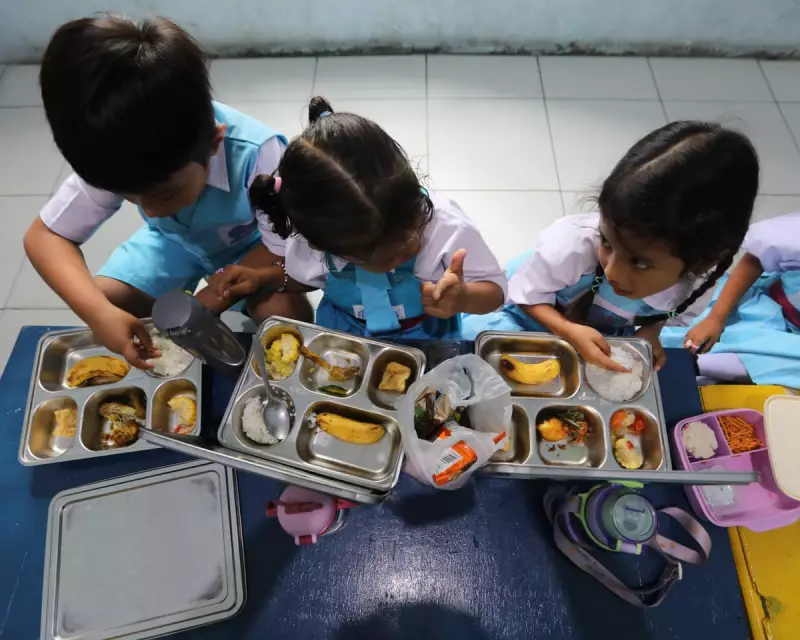
Despite the safety concerns, the programme has delivered benefits in some areas. During a government-arranged media visit to a kitchen and school in South Jakarta, observers witnessed hundreds of meals of rice, chicken and vegetables being delivered by staff in crisp white uniforms.
Saidah, principal of Cipedak primary school, reported that the programme "had made a real difference" for families struggling with rising food prices. Similarly, breastfeeding mother Rohmani expressed appreciation for the nutritional support provided to her and her five children.
Yet for parents like Rini Irawati, whose daughter endured hospitalisation after consuming a contaminated meal, initial support has turned to caution. "We're talking about children's lives," she emphasised. "I don't want other parents and their children to have to go through anything like this." Her sentiment reflects the difficult balance the Indonesian government must strike between addressing malnutrition and ensuring child safety as it continues its flagship programme.




