
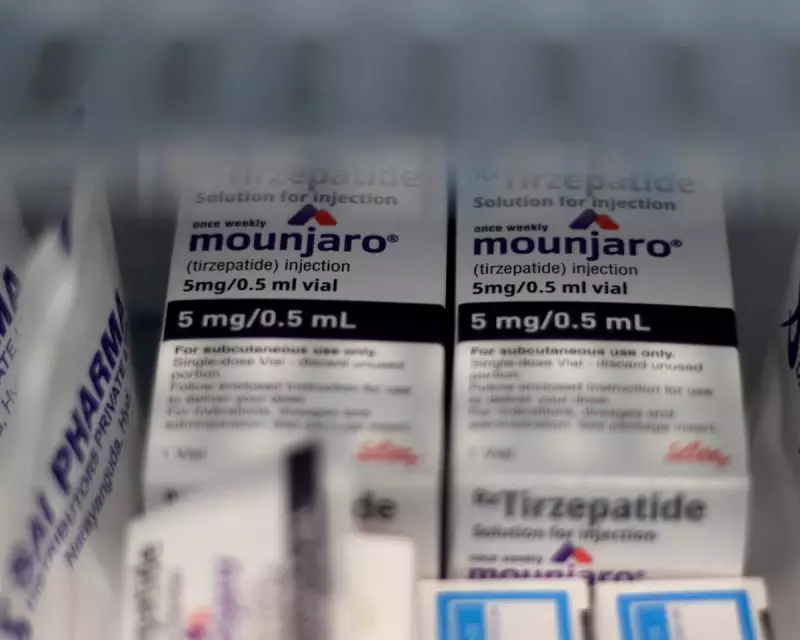
India's medical community is raising urgent alarms over a dramatic and largely unregulated surge in the use of weight loss injections, cautioning that they are not a 'magic pill' for the nation's severe epidemics of diabetes and obesity.
From Approval to Top Seller in Eight Months
Demand for appetite-suppressing drugs like Mounjaro, Wegovy, and Ozempic has skyrocketed since their introduction to the Indian market this year. In a remarkable commercial feat, Mounjaro has become India's highest-selling drug just eight months after approval, surpassing even common antibiotics in sales volume.
This injectable medication, which regulates blood sugar and suppresses appetite, has prompted its manufacturer, Eli Lilly, to begin trials on a similar pill-form drug that could launch in India by next year. A spokesperson for the company cited rising urbanisation, sedentary lifestyles, and changing diets as key drivers, making India a "significant market for weight loss drugs."
A Looming Price War and a Massive Market
Competition is intensifying. Novo Nordisk recently launched Ozempic at a competitive 8,800 rupees (£73) for a monthly course, undercutting Mounjaro's 14,000 rupees (£115) price tag—a cost still prohibitive for most Indian households. However, a major shift is expected by March next year when patents on many semaglutide drugs expire.
This will allow domestic pharmaceutical companies to flood the market with cheaper generic versions, potentially making these treatments more accessible. Experts predict the Indian market for weight loss drugs could reach a staggering $150 billion (£112bn) annually by 2030.
An Epidemic of Need and Risk
Many see wider access as a critical necessity. India is grappling with a dual crisis that threatens to overwhelm its healthcare system:
- 212 million adults with diabetes—over a quarter of the global total.
- 180 million adults overweight or obese in 2021, a figure projected to hit 450 million by 2050.
Leading bariatric surgeon Dr Mohit Bhandari believes official figures are a "significant undercount" and estimates real numbers are over 10% higher. While welcoming the drugs, he warns of alarming misuse.
"These jabs should be properly controlled by the government," Bhandari stated, highlighting risks like muscle loss, pancreatitis, gallstones, and even blindness for some patients. He expressed concern over drugs being prescribed by GPs and pharmacists with financial links to chemists, and even becoming available in gyms and beauty clinics without proper oversight.
Echoing these concerns, prominent endocrinologist Dr Anoop Misra of Fortis Hospital, Delhi, said he now prescribes the drugs to 3-7 patients daily after thorough counselling. He warns against viewing them as a simple fix for failed diets. "Medication cannot replace lifestyle change," he emphasised, pointing to deep-seated cultural challenges, such as family resistance to healthier cooking.
Patient Vidhi Dua, 36, who takes Mounjaro for diabetes and obesity, shared her experience: "I'm hopeful... but it's not easy, there are very difficult side effects. I think it's worrying this has become the latest fad just for cosmetic weight loss."
The consensus among India's top doctors is clear: while these drugs offer a powerful tool, their unregulated proliferation without mandatory lifestyle changes poses a serious public health risk, potentially creating a wave of complications on an unprecedented scale.




