
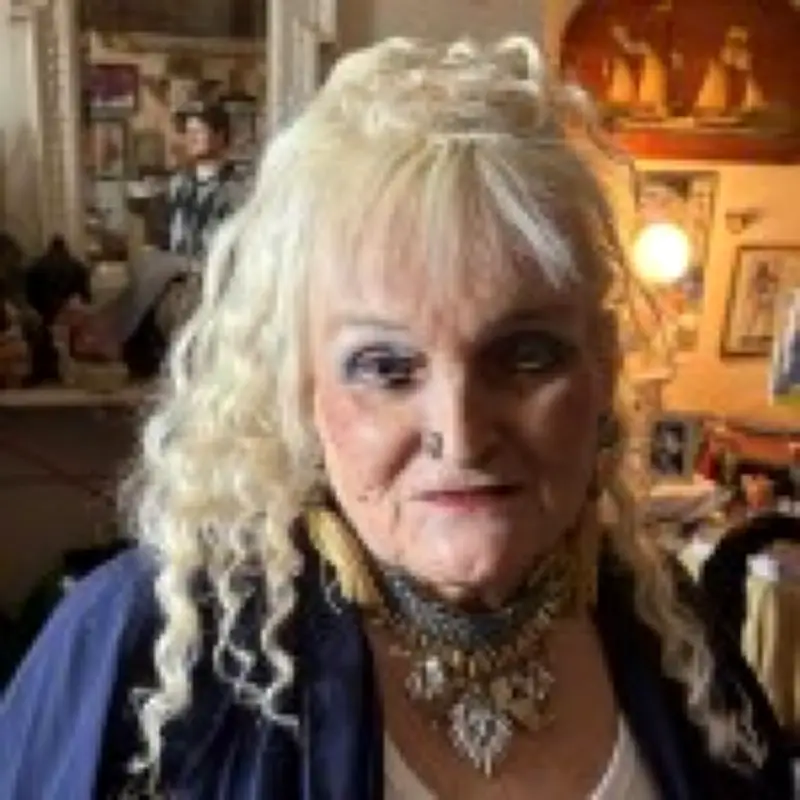
At 76, Dee Simpson has witnessed over six decades of shifting attitudes towards transgender people, and she believes the current situation is the most alarming she has ever seen. In a candid account, Simpson, who transitioned in the early 1960s, contrasts her own relatively smooth journey with the mounting difficulties facing trans youth today.
Simpson's wake-up call came in February 2023, when she heard news of the brutal murder of Brianna Ghey, a 16-year-old transgender girl. That moment, she says, shattered her and made her realise the trans community was in deeper trouble than she had imagined.
UK's Rainbow Map Ranking Plummets
Simpson points to the Rainbow map, which ranks European countries on their LGBTIA+ legal and policy practices, as evidence of the decline. In 2015, the UK was number one on the list, but by 2026, it has dropped to number 22, a slide she finds both disappointing and deeply concerning. This dramatic fall, she argues, reflects a broader regression in trans rights and social acceptance.
She recalls her own experience in 1967, when at 17, she was among the first to receive gender-affirming surgery on the NHS. After surgery, she was placed on the women's ward, where she felt pure relief, joy, and calm. The other women rallied around her, and she made friends, laughing and feeling at home. Simpson says she received top-tier care and was treated with the utmost respect, a stark contrast to what she perceives as today's more hostile climate.
From Go-Go Dancer to Married Life
Post-treatment, Simpson worked as a go-go dancer, travelling Europe and performing at military bases and bars, where she was billed as the most beautiful young lady and adored. She married a man she loved, had beautiful friendships, and felt empowered and sexy. Back then, trans women could travel and use single-sex spaces without fuss, which she attributes partly to fewer openly trans people, but it seemed easier.
However, she acknowledges it wasn't all sunshine and roses. The 1970 court case of trans dancer and model April Ashley, where a judge ruled she was male because it was impossible to change sex, was especially horrifying. It set a precedent that made legally changing gender impossible until the Gender Recognition Act 2004, which was devastating.
Rising Hate Crimes and Political Football
Simpson notes a tide turning in recent years, with figures like JK Rowling using their platforms to encourage an anti-trans movement. She says trans people are now victims of more abuse, both verbal and physical, and anti-trans sentiment seems to appear almost weekly. Official police-recorded hate crime based on trans identity increased by 50% between 2020/1 and 2024/5, a statistic she cites as evidence of the deteriorating environment.
She describes trans rights as a political football, kicked about among MPs without much thought for the people affected. Last year, the UK Supreme Court ruled that the definition of sex in the Equality Act 2010 strictly refers to 'biological' sex, meaning trans women like her are not legally considered women. From this month, service providers can bar trans people from single-sex spaces if other users might object.
Healthcare Feels Less Inclusive Now
Simpson recently had a pre-assessment for a knee operation and was told she would not be on the women's ward but would need a separate room. She assumes this is related to recent legislation, and she found it strange and uncomfortable to realise her healthcare experience felt more inclusive and safe in the 1960s than in 2026. She is not discrediting the NHS, which employed her for over 15 years, but highlights how politics influences treatment.
She worries about the next generation of trans people. At 15, she could easily access hormones and her doctors celebrated her self-discovery, offering encouragement in monthly checkups. Now, trans young adults face years of uncertainty and mental strain as they wait for others to make decisions for them. The sense of uncertainty is what really penetrates, she says.
Documenting Trans History for Hope
Simpson is working on a book chronicling her trans history to document how life has changed. She hopes it will offer joy and hope to the next generation, proving they can not only survive but thrive. She spent decades thriving and wants future trans generations to do the same instead of barely surviving. As told to Ryan Cahill.




