
UK Regulator Issues Public Reprimand Against Major HRT Producer
Theramex, one of the United Kingdom's leading manufacturers of hormone replacement therapy medications, has been formally censured by regulatory authorities for what has been described as "systemic failures" that directly compromised patient safety. The Prescription Medicines Code of Practice Authority, the pharmaceutical industry's self-regulatory body, issued the public reprimand following internal whistleblower reports that revealed alarming compliance deficiencies.
Multiple Critical Breaches Uncovered
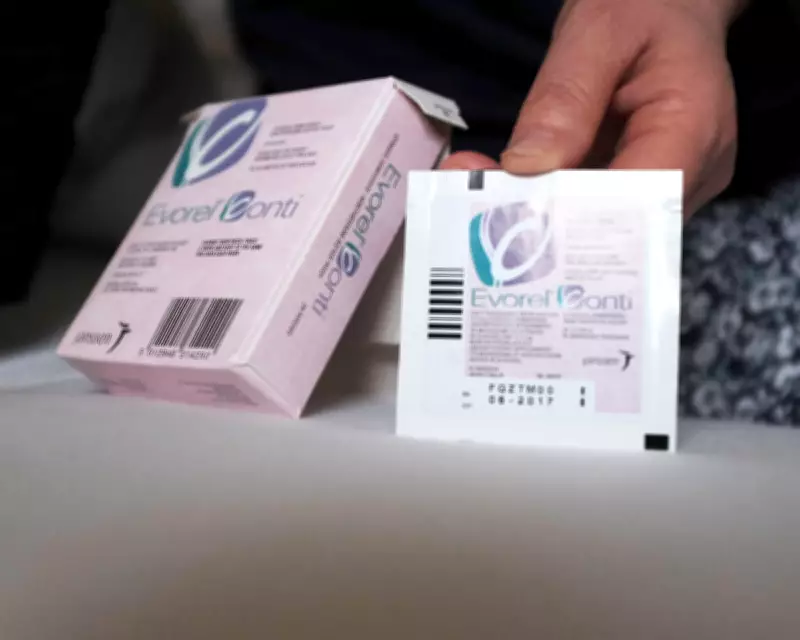
Investigators found that Theramex, which produces the widely prescribed HRT drugs Evorel and Intrarosa, committed 21 separate breaches of the Association of the British Pharmaceutical Industry's code of practice. Among the most serious violations was the company's failure to update crucial prescribing information for extended periods—in some cases for several years—and inadequate communication regarding pregnancy contraindications.
The PMCPA panel determined these failures not only jeopardized patient safety but also "brought discredit upon, and reduced confidence in, the pharmaceutical industry." Specific concerns included incomplete side-effect information for Evorel patches and outdated product information for Intrarosa that hadn't been revised since 2019.
Widespread Prescription Numbers Amplify Concerns
The regulatory action takes on added significance given the substantial prescription volumes involved. According to NHS Business Services Authority figures, Evorel patches—which contain estradiol—rank among the most prescribed forms of transdermal HRT, with more than 250,000 items issued during the last financial year alone. Overall, nearly 10 million items of estradiol-based medications, including gels, were prescribed throughout the 2024/25 financial period.
Additional violations involved Theramex's promotional activities for Yselty (linzagolix), a medication used to treat uterine fibroids. The company failed to specify in conference advertising materials that this drug should not be taken during pregnancy.
Regulatory Withdrawal Draws Criticism
In a controversial move that drew sharp criticism from regulators, Theramex withdrew from the PMCPA's jurisdiction in January 2026, effectively removing itself from the industry's self-regulatory framework. The PMCPA condemned this decision, stating that "by leaving the self-regulatory framework and requiring the Medicines and Healthcare products Regulatory Agency to assume full responsibility for regulating it, Theramex has inevitably delayed any regulatory action and oversight."
Dr. Amit Aggarwal, medical director of the ABPI, expressed disappointment at Theramex's departure from the self-regulatory system, noting that "it's also disappointing that as a result, the company has decided to leave the pharmaceutical industry's self-regulatory system, which holds companies to standards above and beyond the law."
Regulatory Response and Company Statement
Julian Beach, MHRA's executive director of healthcare quality and access, emphasized that leaving PMCPA jurisdiction doesn't exempt companies from scrutiny. "The MHRA has legal powers ... to investigate and act on concerns about medicines that may impact public safety," Beach stated. "Breaches of regulations can amount to criminal offences."
A Theramex spokesperson responded to the allegations, stating: "Upholding ethical standards, compliance, and patient safety is very important to us. We acted promptly to address these historical matters as soon as we became aware of them." The company noted it had undertaken "a comprehensive review of our compliance framework, including commissioning an independent external audit and implementing a broad programme of enhancements."
The spokesperson explained the withdrawal decision: "As part of this process, we concluded it is most appropriate to be regulated with respect to UK medicines legislation by the MHRA, while continuing to uphold the spirit and principles of the EFPIA and ABPI codes of practice."




