
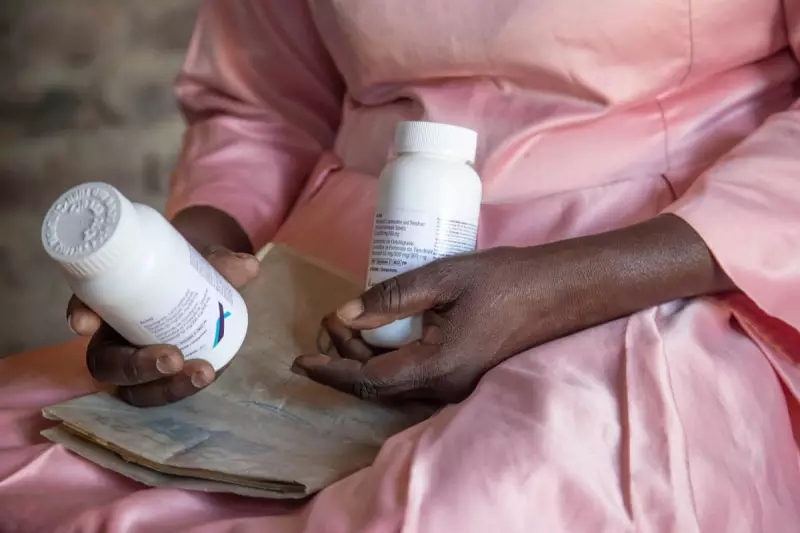
International funding cuts are threatening to dismantle decades of progress in the global fight against HIV and Aids, with new analysis warning the world is on course for 3.3 million additional new infections by 2030.
A System Shaken to Its Core
As 2025 draws to a close, a series of stark reports detail the devastating real-world impact of slashed aid budgets from the US, UK, and other European donors. The abrupt termination of all overseas aid spending by the Trump administration in January set off a chain reaction, with other nations following suit. It is now estimated that external health assistance in 2025 will be 30% to 40% lower than it was in 2023.
Winnie Byanyima, Executive Director of UNAids, stated the cuts have “shaken to its core” the complex ecosystem sustaining HIV services across dozens of low- and middle-income nations. The consequences are already visible: in Zimbabwe, Aids-related deaths have risen for the first time in five years; in Ethiopia and the Democratic Republic of the Congo, HIV test kits have run out; and in Mozambique, a clinic a teenage rape victim needed was closed.
Key Populations and Prevention Hit Hardest
Services designed for groups at highest risk of infection – known as key populations – have been among the hardest hit. These include men who have sex with men, sex workers, people who inject drugs, and transgender individuals. Community-led organisations and tailored clinics, which provided safe, stigma-free access, have largely closed due to the funding drought.
A member of Uganda's LGBTQ+ community, quoted in a Frontline Aids report, said the loss of these safe spaces left them feeling “isolated and exposed… the mental strain is overwhelming.” In Kenya, some are now hiding their identity to access public clinics safely, a move activists fear will obscure crucial data on the virus's spread.
Prevention programmes have suffered disproportionately, as limited resources are prioritised for existing patients. In Burundi, the number of people receiving preventive HIV medicines plummeted by 64%. Programmes for teenage girls and young women in sub-Saharan Africa, a disproportionately affected group, are also common casualties.
Signs of Hope Amidst the Crisis
Despite the bleak outlook, there are glimmers of resilience and potential for change. John Plastow of Frontline Aids noted that several countries are showing “the first signs of governments and communities working together to build more sustainable, homegrown HIV responses.”
UNAids points to nations including Nigeria, Uganda, South Africa, and Tanzania, which have pledged to increase domestic investment. Innovations like new long-acting injectable prevention drugs are also gaining momentum.
“We know what works – we have the science, tools and proven strategies,” said Byanyima. “What we need now is political courage: investing in communities, in prevention, in innovation and in protecting human rights as the path to end Aids.” The window to avert the forecast millions of new infections, however, is closing fast.




