
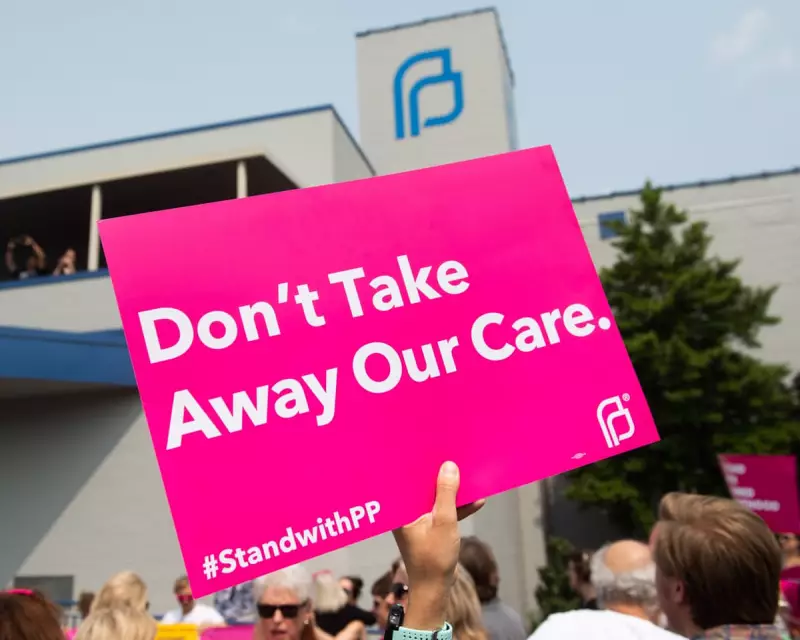
Pro-choice demonstrators gathered at a rally supporting Planned Parenthood, highlighting the ongoing tensions in American reproductive rights debates. This protest underscores the deep divisions that continue to influence critical policy discussions in the United States.
Healthcare Subsidy Impasse Rooted in Abortion Dispute
When subsidies for healthcare plans under the Affordable Care Act (ACA) lapsed at the end of the previous year, millions of Americans experienced a sudden and dramatic surge in their monthly premium costs, rendering coverage unaffordable for many. The congressional effort to restore these vital subsidies has become mired in a long-standing political conflict centred on abortion rights, preventing progress on broader healthcare reforms.
Bipartisan Deal Excludes Subsidies Amid Political Fractures
On Thursday, congressional leaders announced a bipartisan agreement to utilise a spending bill to reform aspects of the US healthcare system, targeting corporate intermediaries accused of inflating prescription drug prices. However, this deal notably omits any provisions to reinstate the ACA subsidies. The agreement remains precarious, as Democrats and Republicans are now divided over supporting government spending measures following the fatal shooting of Alex Pretti by federal officers in Minneapolis.
Although the House of Representatives passed legislation earlier this month to revive the subsidies, with support from 17 Republicans, the Senate has yet to address the issue. With negotiations stalling, several states have extended their open enrolment periods until the end of January to provide temporary relief for consumers.
Abortion Coverage Restrictions Halt Progress
A timely resolution appears unlikely, as Republicans insist on incorporating additional restrictions on abortion coverage within ACA plans as a condition for moving forward, while Democrats firmly reject this demand. Bernie Moreno, a Republican senator from Ohio who has been instrumental in subsidy discussions, told reporters, "Once we get past this issue, there's decent agreement on everything else."
Initially introduced during the peak of the Covid-19 pandemic, the subsidies reduced costs for approximately 90% of ACA enrollees, who typically include individuals not covered by employer-based health insurance, such as contract workers, gig economy participants, stay-at-home parents, and small business owners. According to an analysis by the health policy organisation KFF, the average enrollee's annual premium has more than doubled, rising from around $900 to over $1,500.
Alina Salganicoff, KFF's lead expert on women's health policy, commented, "People are very, very price-sensitive, and it can become very, very expensive." Compared to the same period last year, approximately 800,000 fewer individuals have enrolled in plans through the ACA marketplace, reflecting the financial strain caused by the subsidy expiration.
Historical Context of Abortion in ACA Debates
Abortion rights have been a persistent point of contention in discussions surrounding the Affordable Care Act since its inception. In 2010, anti-abortion Democrats nearly derailed the entire bill before agreeing to support it, provided it included specific language affirming the Hyde Amendment. This amendment, originating in the 1970s, prohibits the use of federal funds for abortions except in cases of rape, incest, or medical emergencies.
Nevertheless, states are permitted to offer plans on the ACA marketplace that include abortion coverage if those plans do not rely on federal financing. Twelve states mandate that marketplace plans cover abortion, while an additional thirteen states and Washington DC allow such coverage.
Divergent Perspectives on Reproductive Rights
Jeanne Shaheen, a Democratic senator from New Hampshire, stated, "The effort by anti-choice groups to rehash what is already settled in federal law is nothing more than an attempt to further encroach on the ability of women to have full reproductive rights. It is critical for us to find a path forward to ensure millions of Americans can afford their health insurance."
In contrast, anti-abortion advocates argue that the current arrangement violates the principles of the Hyde Amendment. Kristi Hamrick, vice-president of media and policy for the influential anti-abortion group Students for Life of America, remarked, "The whole little workaround – that, well, it's required by the states and not by the feds – is ridiculous. It's no threat to us that it will collapse if there's not an agreement on Hyde."
If Congress were to alter the regulations concerning abortion coverage as part of the subsidy negotiations, residents in the twelve states where such coverage is mandated could immediately lose their healthcare, according to Salganicoff. She added, "I don't see it as violating the spirit of the Hyde amendment at all. These are separate funds. It's not like those federal subsidies are being used to pay for abortion services. I don't see the evidence of that."
Political Dynamics and Future Implications
Support for the Hyde Amendment has traditionally been non-negotiable among congressional Republicans, but Donald Trump recently urged them to adopt a more flexible approach. At a GOP gathering, Trump advised, "You gotta work something. You gotta use ingenuity." However, a source familiar with congressional discussions indicated that Trump's comments may have had the opposite effect, with many Republicans hardening their stance and asserting that there is no room for compromise on the issue.
Abortion opponents have expressed growing frustration with the Trump administration's perceived inaction on abortion-related matters during its first year back in power. While the administration announced investigations into Planned Parenthood over government loans, banned the use of fetal tissue from abortions in certain government research, and expanded anti-abortion policies to restrict foreign aid for groups promoting diversity, equity, and inclusion initiatives, activists have been disappointed by the lack of progress on regulating abortion pills.
Hamrick emphasised the political stakes, noting, "Last I checked, there's a midterm election coming. The voter intensity on the part of pro-life voters in the Republican coalition of social conservatives, national security conservatives and economic conservatives relies heavily on the grassroots. That means pro-life conservatives, social conservatives. This is no time for the GOP to be anything less than eloquent and active in pursuing our vote."
The ongoing deadlock over abortion coverage continues to delay crucial healthcare subsidies, leaving millions of Americans in financial limbo and highlighting the profound ideological divides that shape US policy-making.




