Greece Announces Landmark Social Media Ban for Children Under 15
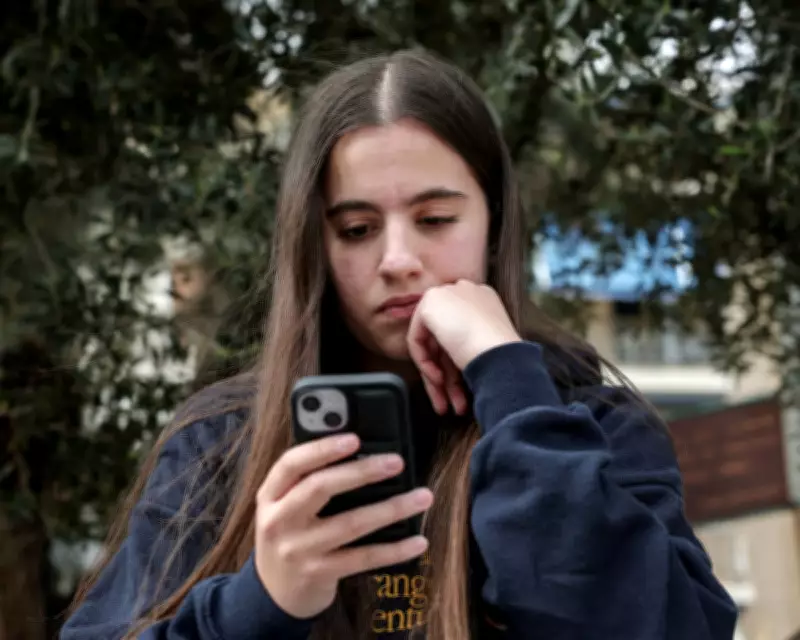
In a bold move to address growing concerns over youth mental health, Greece has announced a comprehensive ban on social media access for children under the age of 15, set to take effect from January 1. Prime Minister Kyriakos Mitsotakis revealed the decision, highlighting rising anxiety levels, severe sleep disturbances, and the intentionally addictive design of online platforms as primary motivations. The announcement, made via a targeted TikTok video aimed at younger audiences, underscores the government's commitment to protecting children from digital harms.
Overwhelming Public Support and Legislative Process
A survey conducted in Greece during February this year demonstrated overwhelming public endorsement for stricter social media regulations for minors. The poll, released by the Greek firm ALCO, revealed strong backing for the crackdown, mirroring broader European sentiment. Mitsotakis acknowledged that the ban might provoke discontent among some children but emphasized its necessity for safeguarding mental wellbeing.
The 300-seat Greek parliament, dominated by Mitsotakis's centre-right New Democracy party, is expected to vote on the legislation this summer. If approved, Greece will become one of the first European nations to enact such a sweeping ban. This follows previous measures, including a ban on mobile phones in schools and the establishment of parental control platforms to curb excessive screen time.
European Context and Cross-Border Initiatives
Greece's initiative aligns with a growing trend across Europe and beyond. France began passing similar legislation earlier this year, while Australia has already blocked over 4.7 million social media accounts belonging to users under 16. Countries like Spain, Malaysia, Denmark, and Poland are either considering bans or actively legislating them.
A recent YouGov poll covering France, Germany, Italy, Poland, Spain, and the United Kingdom revealed substantial majorities supporting social media restrictions for under-16s. Approval rates were highest in France at 79%, followed by the UK at 76%, Germany at 74%, Italy at 70%, Spain at 68%, and Poland at 53%. Support consistently crossed party lines and was particularly strong among parents of children under 18.
Skepticism and Effectiveness Concerns
Despite widespread backing, significant skepticism exists regarding the practical effectiveness of such bans. In the UK, 54% of respondents doubted a ban would be very effective, including 46% of those who supported it. Opinions were divided in Poland, France, and Germany, while majorities in Spain and Italy expressed greater confidence in the measure's success.
Greek educators have long voiced concerns about screen-related issues, with retired primary school headteacher Dimitris Panayiotopoulos stating, "After 40 years of teaching I can honestly say that screens have destroyed children." Teachers frequently report students arriving in class sleep-deprived and lethargic, attributing these problems to excessive social media use.
Broader Implications and EU Advocacy
Prime Minister Mitsotakis has positioned Greece as a leader in advocating for standardized European Union regulations. In a letter to European Commission President Ursula von der Leyen, he called for a unified EU framework by the end of 2026 to complement national efforts. The Greek ban will specifically restrict access to major platforms like Facebook, Instagram, TikTok, and Snapchat for children born after 2012.
Mitsotakis stressed that isolated national actions are insufficient, urging collective European action to develop robust online age verification tools by 2027. This initiative aims to create a cohesive digital safety net for minors across the continent, addressing the pervasive challenges posed by social media addiction and its impact on mental health.