
Government Proposes Delay to $2bn Autism Initiative to Secure Broader Funding Agreement
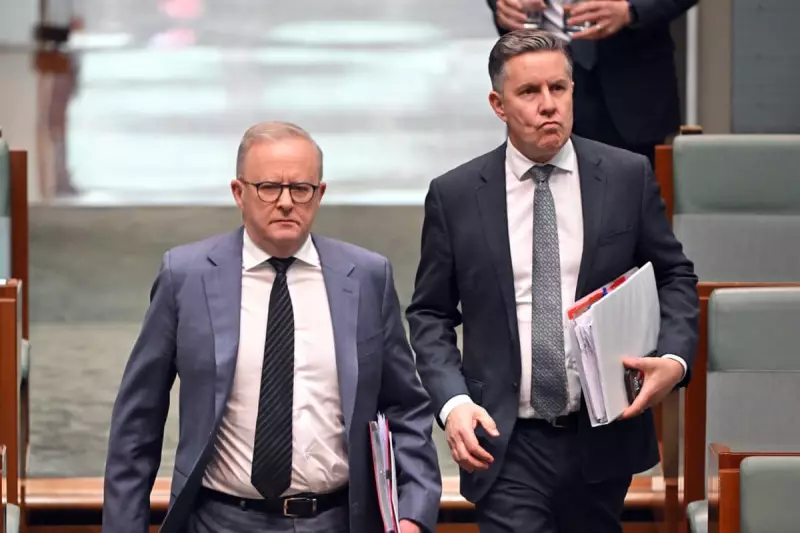
The Albanese government has put forward a significant proposal to delay the commencement of its flagship $2 billion Thriving Kids scheme for early intervention autism services. This strategic move forms part of a broader effort to finalise a crucial funding agreement with state and territory governments regarding hospital and disability support services.
Revised Timeline for Thriving Kids Scheme
Originally scheduled to launch on 1 July, the new national program will now potentially begin in October, following concerns raised by state administrations about their preparedness. The scheme represents a cornerstone of federal efforts to alleviate pressure on the rapidly expanding National Disability Insurance Scheme (NDIS) budget.
The Thriving Kids initiative is designed to provide foundational support services for children under eight years old who experience developmental delays and other low to moderate needs. These services will be delivered through established community channels including schools, health clinics, and local facilities.
Broader Negotiations on Hospital Funding
This concession on the autism scheme timing accompanies substantial financial proposals within the wider negotiations. Health Minister Mark Butler and Prime Minister Anthony Albanese have presented a revised offer featuring $23 billion in new federal funding for hospital services.
The proposed agreement outlines a gradual increase in the Commonwealth's contribution to hospital funding, aiming to reach 42.5% by 2030 and progressing to a 45% share by 2035. Over a five-year period beginning July 2026, this would represent a total federal commitment of approximately $216 billion.
Additional Financial Adjustments and Priorities
Among the additional incentives being offered to secure state and territory agreement are specific budget funding adjustments intended to benefit smaller jurisdictions. These jurisdictions have been grappling with escalating costs for health and hospital services, creating financial pressures that the federal government acknowledges.
A further $2 billion in federal funding has been earmarked to accelerate hospital discharge processes for elderly patients awaiting placement in aged care facilities. Current estimates suggest over 3,000 individuals are currently waiting to transfer from hospital wards to appropriate aged care accommodation.
Context of NDIS Reforms and Participant Data
The proposed delay to the Thriving Kids scheme occurs against a backdrop of broader NDIS reforms. While foundational support changes are now being negotiated, broader revisions to NDIS access rules are scheduled to take effect from mid-2027.
Recent data highlights the significance of early intervention: figures from May 2025 indicated that children under 15 constituted 43% of NDIS participants (over 717,000 individuals) but accounted for just 13% of total scheme payments. Participants with autism or developmental delays as their primary disability represented half of all participants but only 23% of total payments.
Minister Butler has previously emphasised the sustainability challenges facing the NDIS, noting that the current 8% annual growth target for scheme spending is unsustainable in the medium to long term. The government has proposed potentially lowering this growth target to 5-6% in coming years through national cabinet agreement.
Pathway to Agreement and Political Dynamics
The revised proposal follows extended negotiations that were initially intended to conclude before Christmas, but were disrupted by the emergency response to the Bondi Beach terror attack. Prime Minister Albanese and Minister Butler have characterised their latest offer as generous and conducted in good faith.
Premiers and chief ministers are expected to review the latest version of the plan during a meeting of the Council for the Australian Federation on Thursday. This forum allows state and territory leaders to confer without federal representation, with Tasmanian Premier Jeremy Rockliff currently chairing the council.
Multiple jurisdictions have indicated growing expectations that an agreement will be reached, even though concessions to smaller states may result in relatively less generous allocations for larger states from the additional federal funding pool. The Albanese government has concurrently urged states to implement measures to curb growth in hospital activity spending and staffing costs as part of a sustainable funding framework.




