
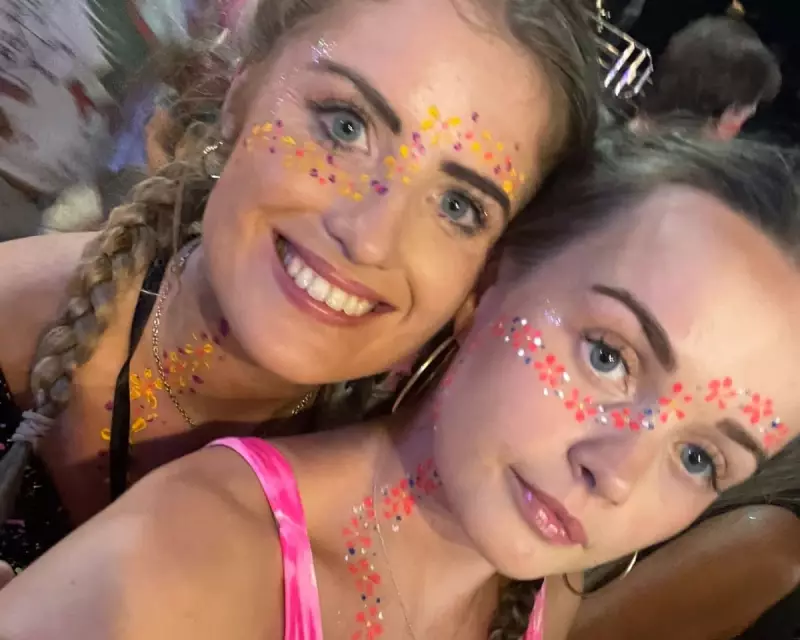
The taste of poison was indistinguishable from a weak cocktail for Bethany Clarke. Sitting with her best friend, Simone White, at a hostel bar in Vang Vieng, Laos, she remembers drinking about five free shots mixed with Sprite, noting only that the vodka flavour seemed faint. There was no bitter aftertaste, no warning sting.
CCTV footage from that evening captures the group laughing in the warm air, coloured lights dancing around them. Within 24 hours, they were in hospital. Shortly after, Simone White was dead.
A Living Nightmare in Laos
Clarke, from the UK but living in Brisbane, recounts the horrific aftermath with stark clarity. What they initially dismissed as a severe hangover after a tour-bus ride rapidly escalated. White began vomiting; Clarke fainted, hitting her head. As they debated whether it was food poisoning or a virus, the situation grew critical.
In the hospital ward, a creeping dread set in. They watched White's condition deteriorate, her breathing shifting to short, desperate gasps. Doctors delivered the devastating news: her brain was swelling, crushing into her skull. Her life support was turned off on 21 November.
"It was honestly just a living nightmare," Clarke said. White was one of six tourists who died in the 2024 Laos poisoning after consuming drinks laced with methanol.
The Hidden Global Health Crisis
This tragic case is a high-profile example of a vast, often overlooked global emergency. Methanol, a cheap and toxic industrial alcohol, is increasingly contaminating the world's alcohol supply, particularly where regulation is poor, spirits are expensive, or cultural taboos exist.
Dr Knut Erik Hovda, an international expert on methanol poisoning from the University of Oslo, describes it as a "hidden crisis." "It's huge, and it's forgotten – it keeps just disappearing, and then it crops up again in a different place, when you have your guard down."
Data compiled by Oslo University Hospital and Médecins Sans Frontières (MSF) reveals a staggering scale: documented incidents from nearly 80 countries, covering over 1,000 poisoning events, 41,000 poisoned people, and 14,600 deaths. Dr Hovda stresses these figures are "only the tip of the iceberg."
This month, the UK government expanded its travel warnings, adding 11 more countries to a list of 38 where travellers face a significant risk of methanol poisoning.
From Brazil to Turkey: A Trail of Tragedy
The crisis is not confined to South-East Asia. In São Paulo, Brazil, 27-year-old Rafael dos Anjos Martins Silva bought two bottles of gin with friends. He fell into a coma, lost his sight, and died after 53 days in hospital. His death is one of 16 confirmed in Brazil this year from methanol, with police tracing the poison to clandestine alcohol factories.
His mother, Helena dos Anjos Martins, recalled his final moments: "His last breath was in my arms." She believes Brazil failed her family by not recognising the danger sooner.
In Turkey, a perfect storm of high alcohol taxes and cultural taboos has fuelled a parallel illicit market. A bottle of raki can cost £28, a significant sum in a country where the monthly minimum wage is around £470. A series of poisonings there has killed more than 160 people.
Gökhan Genç, a resident of Ankara, commented on the normalisation of such tragedies: "We're not shocked any more when we see in the news that 10 people died in a restaurant."
Recognising and Treating Methanol Poisoning
Methanol itself is not toxic, but as the body metabolises it, it produces deadly formaldehyde and formic acid. These compounds attack the nervous system, organs, and brain. A lethal dose can be as little as 30ml, less than a shot glass, while just 10ml can cause irreversible blindness.
Symptoms often delay their appearance for 12-24 hours, making diagnosis difficult. They begin with vomiting and dizziness, escalating to vision changes (blurriness, 'snow,' or blindness), hyperventilation, convulsions, coma, and death.
The tragedy is compounded by the fact that treatment is straightforward if administered early. The antidotes are fomepizole or, counterintuitively, ethanol (drinking alcohol), which halts the toxic conversion process. Dr Hovda recalls successfully treating 35 men during an outbreak in Kenya by serving them alcoholic drinks at regular intervals.
Bethany Clarke survived the Laos poisoning, though one of their group was blinded. She is now campaigning for greater global awareness of the dangers of methanol, a fight born from the loss of her best friend and a determination to prevent others from suffering the same fate.




