
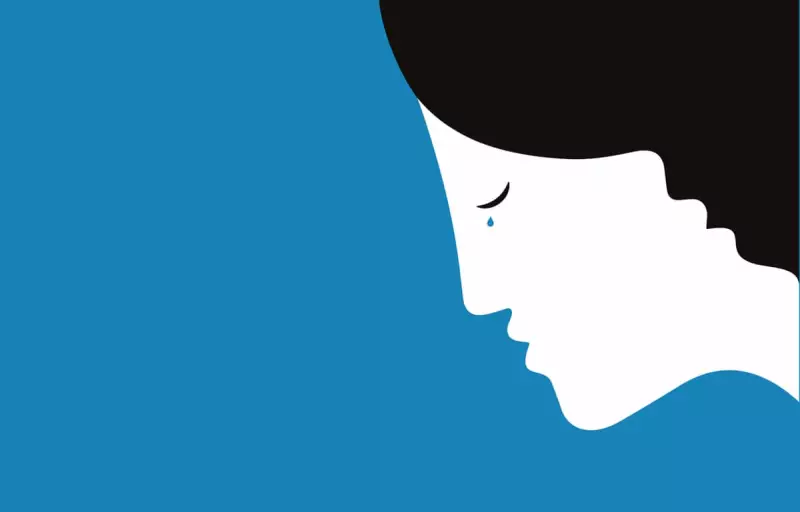
The promise to stand by a partner 'in sickness and in health' is a cornerstone of marriage vows. Yet, when serious illness strikes, the romantic ideal can shatter against a harsh reality. A pervasive cultural narrative suggests a stark 'gender care gap', where men are significantly more likely to leave an ill wife than vice versa. But how accurate is this painful stereotype, and what is the complex truth for couples navigating life-altering diagnoses?
Personal Stories: When Illness Fractures a Relationship
Jess's life transformed overnight in her late twenties. An active professional who enjoyed cycling and golf with her boyfriend, she was diagnosed with long Covid. The syndrome triggered a 'general shutdown' of her body, leaving her reliant on her partner for physical and emotional support. For three years, he cared for her as she slept constantly and couldn't leave the house.
'It was an instant dynamic shift,' Jess recalls. The crux came just as she began to recover enough for part-time work. Her boyfriend ended the relationship. 'I think it's hard to not trace almost all of the reasons for our breakup back to my illness,' she says ruefully, now grappling with how to present her health-limited life on dating apps.
Her experience echoes in support forums and anonymous threads, filled with stories of partners being dumped by text during chemotherapy or cheated on at their lowest ebb. Often, these anecdotes are accompanied by a stark statistic: that women are six times more likely than men to be abandoned when they get sick.
Examining the Data Behind the Stereotype
This powerful figure originates from a 2009 US study of 515 cancer and multiple sclerosis patients. It found 20.8% of female survivors were divorced or separated, compared to just 2.9% of men. The study's authors, oncologists who had noticed their female patients' relationships crumbling, speculated women form 'unbreakable bonds' earlier.
More recent research adds nuance. A 2025 University of Florence study of 25,000 European couples aged 50-64 found a higher breakup risk if the woman reported poor health, but not if the man did. Lead author Giammarco Alderotti linked this to men struggling to adapt to caregiving and women's greater financial dependence.
However, a 2022 systematic review of over 250,000 cancer patient records suggested they were slightly less likely to divorce than average (with cervical cancer as an exception). The evidence is mixed, yet the stereotype of the heartless husband endures, amplified on platforms like TikTok and podcasts.
The Silent Struggle of the Staying Partner
The narrative often overlooks the profound grief and isolation of partners who stay. Wendy's husband, John, suffered a brain injury in a road accident in his mid-40s. He returned home physically healed but psychologically altered. 'I'm living with a corpse in the room,' says Wendy, a psychologist in her late 50s. 'I have gone from being in a happy marriage to being a widow who is also a carer.'
John exists in the moment, leaves domestic chaos, and shows no shared future planning. Wendy has considered leaving but is shackled by guilt and financial practicality. She secretly envies widows, whose loss is socially recognised.
Ben's story is similar. His wife had a stroke in her mid-40s, leaving her paralysed and cognitively impaired. He became a single parent to their three children and a part-time worker. 'I am married to a different person,' he admits. He stays out of duty and fear for her care, feeling 'stuck' and unable to share his burden with friends.
'Partners are often silent in their grief, their anxiety, because they don't want to appear disloyal,' explains Dany Bell, Strategic Adviser at Macmillan Cancer Support.
Communication, Intimacy, and a New Perspective
Liz O'Riordan, a breast cancer surgeon diagnosed at 40, observed around a sixth of her patients' marriages end. From the inside, she understood why. Treatment can destroy body image and libido, especially with menopause-inducing drugs. 'At a time when you need them most, you either want to push them away or they distance themselves,' she says.
She advises couples to have difficult conversations about needs and intimacy openly, not just in the bedroom. Bell agrees, noting couples must navigate if and how a partner helps with intimate personal care, a choice deeply personal to dignity.
For some, illness becomes a catalyst for change. A small Israeli study of breast cancer patients who later divorced found many saw their diagnosis as a wake-up call to marital problems. Given a second chance, they chose to live differently.
Antonia was 24 when diagnosed with thyroid cancer. Her childhood sweetheart left her during radiotherapy. Initially devastated and ashamed, her perspective shifted. 'The kindest thing someone can do is to be honest,' she now says. The breakup allowed her to focus wholly on survival.
Now in remission and working as a journalist, she believes young women are more likely to be dumped after a diagnosis, but also return to dating quicker than men. She met her current boyfriend through friends and was upfront about her health limits. 'I used to be such a people pleaser... [The breakup] gave me an opportunity to be, like: "What do I need?"'
The 'gender care gap' is a painful, simplified lens for a profoundly complex human experience. It encompasses societal expectations of caregiving, financial dependence, communication breakdowns, and the raw, individual renegotiation of love when 'for better, for worse' becomes a daily reality.




