
When Priya Fielding-Singh was thirteen, two foster siblings came to live with her family. For Carla and Rodrigo, this move promised stability and something they had never reliably experienced: enough food to eat.
Yet the psychological scars of previous hunger remained deeply embedded. Carla immediately began hoarding food, hiding cans of ravioli under her bed and secretly eating them cold during late nights. Despite the family's efforts to reassure her that food was plentiful, the trauma of past scarcity had already taken root.
The Lifeline Being Cut
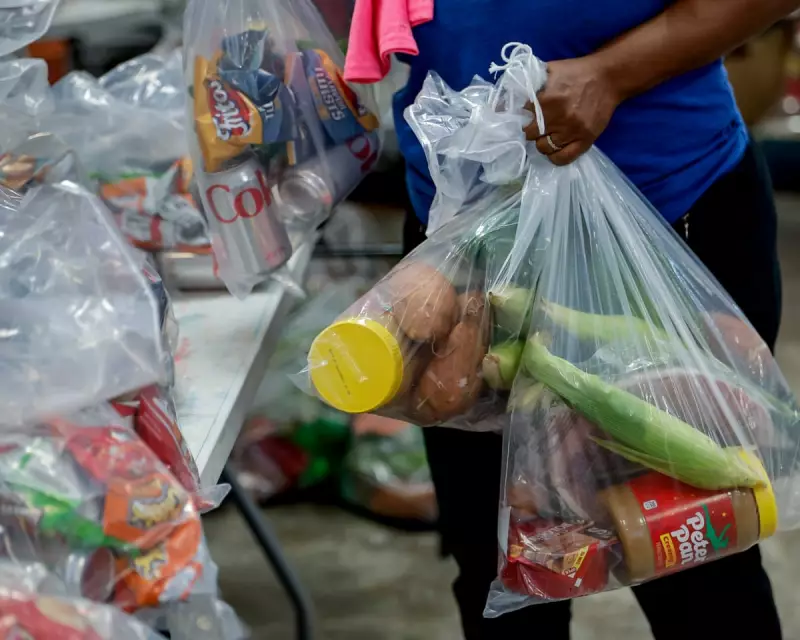
This month, as millions of Americans face significant reductions or complete lapses in their Supplemental Nutrition Assistance Program (SNAP) benefits, Fielding-Singh's childhood experience feels particularly relevant. Having researched food-insecure families for her book How the Other Half Eats, she witnessed how SNAP often served as an essential lifeline rather than merely supplemental support.
While immediate concerns understandably focus on how families will manage without timely benefit disbursements, the longer-term consequences may prove equally devastating. Research indicates that even temporary disruptions to food access can leave permanent psychological and physical marks.
The Lifelong Impact of Scarcity
Evidence demonstrates that food insecurity during pregnancy increases risks of premature delivery, low birth weight, and developmental delays in infants. Early hunger can alter how children's bodies regulate stress and store energy, raising likelihood of chronic conditions like diabetes and hypertension later in life.
For older children, consequences extend beyond physical health. Those experiencing food insecurity face higher rates of anxiety, depression, and behavioural challenges that often persist into adulthood. They're also more likely to struggle academically and experience developmental delays.
The burden extends to parents as well. Caregivers facing hunger report sharply higher rates of depression and anxiety, crushed by the inability to perform the most fundamental act of care: feeding their children.
Changing Family Relationships with Food
Fielding-Singh's research revealed how food insecurity reshapes families' approaches to eating long after periods of scarcity end. Mothers who experienced deprivation continued hoarding canned goods and buying extra freezers, having learned that food today never guarantees food tomorrow.
This trauma also influenced feeding practices. Determined never to let their children experience hunger, food-insecure mothers prioritised satiety over nutrition, often serving comforting, familiar foods their children would reliably eat rather than healthier options. This created nutritional divides between wealthier and lower-income families that could persist for generations.
The current SNAP benefit reductions threaten to deepen these divides, making it even harder for struggling families to access nutritious food both immediately and in the long term as scarcity leaves lasting emotional and behavioural imprints.
Call for Permanent Solutions
Restoring benefits remains urgently necessary, but Fielding-Singh argues that simply reinstating payments isn't enough. Congress should establish advance appropriations for SNAP, similar to protections for Medicaid, ensuring the program never again risks disruption during government shutdowns.
This would protect the nation's most effective anti-hunger program and prevent parents from wondering how they'll feed their children due to political failures. For millions of American families, hunger remains a daily reality even with restored benefits, but preventing repeated trauma could spare future generations from learning Carla's painful lesson: that food today doesn't always mean food tomorrow.




