
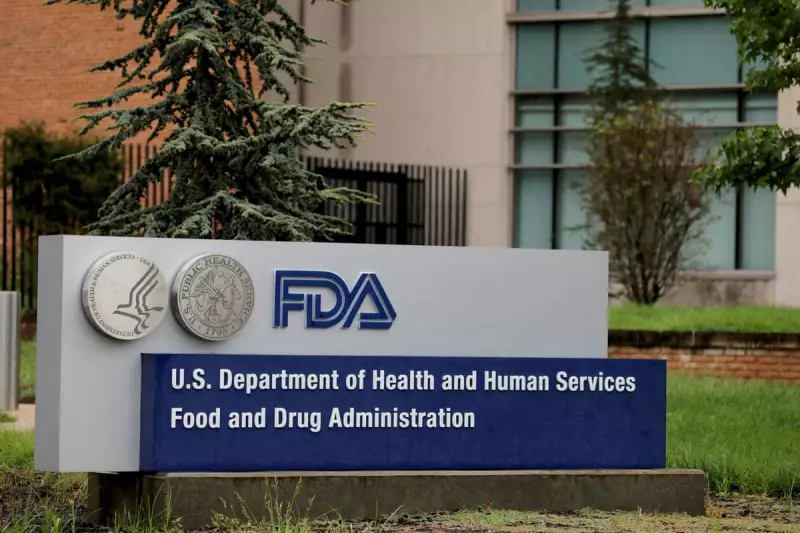
The US Food and Drug Administration (FDA) has announced significant changes to its vaccine approval process, implementing stricter protocols in response to lessons learned during the COVID-19 pandemic. The regulatory overhaul comes after an extensive internal review of emergency authorisation procedures that dominated global health responses between 2020 and 2023.
Enhanced Safety and Transparency Measures
The FDA will now require more robust safety data and extended monitoring periods before granting approval for new vaccines. Under the revised framework, manufacturers must provide more comprehensive evidence from clinical trials, including detailed subgroup analyses and longer-term follow-up data on potential adverse effects.
Dr Robert Califf, the FDA commissioner, emphasised that these changes aim to strengthen public confidence in immunisation programmes while maintaining the agency's ability to respond quickly to future health emergencies. The new protocols specifically address concerns about rare side effects that may not be detected in initial clinical trials but emerge when vaccines are administered to millions of people.
Learning from Pandemic Experience
The regulatory changes follow intense scrutiny of the FDA's emergency use authorisation process during the COVID-19 crisis. While the rapid approval of vaccines was widely credited with saving millions of lives, some critics argued that the accelerated timeline compromised thorough safety evaluation.
The revised approach seeks to balance speed with rigorous oversight, creating a new tiered response system that can be activated during future public health emergencies. This system would allow for conditional approvals while continuing to collect and analyse safety data from larger population groups.
FDA officials confirmed that the new protocols will apply to all future vaccine approvals, not just those developed for pandemic response. The changes reflect a broader shift toward more transparent communication about both the benefits and potential risks of vaccination.
Impact on Pharmaceutical Industry and Public Health
Pharmaceutical companies developing new vaccines will need to adjust their research and development timelines to accommodate the enhanced requirements. The FDA has indicated it will provide clearer guidance on evidence expectations to help manufacturers prepare more comprehensive submission packages.
Public health experts have largely welcomed the changes, noting that strengthened protocols could help rebuild trust among vaccine-hesitant populations. However, some have expressed concerns that extended approval processes might delay access to vital vaccines during future outbreaks.
The FDA maintains that its new framework includes provisions for emergency situations, allowing for accelerated assessment when justified by the severity of a health threat. The agency plans to conduct regular reviews of the updated protocols to ensure they remain fit for purpose as vaccine technology continues to evolve.
These regulatory changes come amid ongoing global discussions about pandemic preparedness and the need for international harmonisation of vaccine approval standards. The FDA's move is likely to influence regulatory approaches in other countries, including the UK's Medicines and Healthcare products Regulatory Agency (MHRA).




