
Deadly Virus Confirmed in Southern Ethiopia
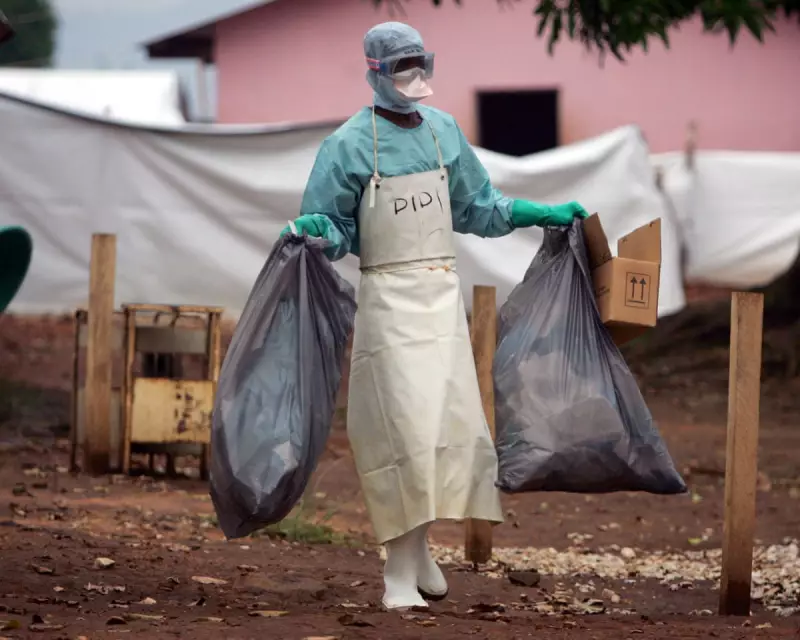
Health authorities in Ethiopia have officially confirmed an outbreak of the highly dangerous Marburg virus in the southern part of the country. The announcement was made by the Africa Centres for Disease Control and Prevention (Africa CDC), which is coordinating the response to this serious public health threat.
Understanding the Marburg Virus Threat
The Marburg virus is one of the most lethal pathogens known to science. It belongs to the same family as the Ebola virus and presents with similarly severe symptoms. These include high fever, severe bleeding, vomiting, and diarrhoea. The virus has an incubation period of up to 21 days, meaning it can take three weeks for symptoms to appear after initial infection.
Transmission occurs through direct contact with the bodily fluids of infected individuals. The fatality rate is alarmingly high, ranging from 25% to 80% of those infected, making rapid containment absolutely critical.
The Current Outbreak and Response
The head of the World Health Organization, Ethiopia’s Tedros Adhanom Ghebreyesus, confirmed on Friday that at least nine cases had been identified in the Jinka area of southern Ethiopia. This confirmation came just two days after the Africa CDC was first alerted to a suspected case of a haemorrhagic virus in the region.
On Saturday, the Africa CDC stated that the National Reference Laboratory in Ethiopia had definitively confirmed the presence of the Marburg virus disease (MVD). Further investigations are ongoing, and initial analysis indicates the virus strain is similar to those previously detected in East Africa.
Authorities have praised the swift action taken by Ethiopian health services to confirm and contain the outbreak. The Africa CDC has pledged to work closely with the country to ensure an effective response and to mitigate the risk of the virus spreading to other parts of East Africa.
Regional Context and Treatment
This is not the first time East Africa has faced this threat. An epidemic of Marburg virus killed 10 people in Tanzania earlier this year before being declared over in March. Furthermore, Rwanda successfully stamped out its first known Marburg epidemic in December 2024, an outbreak which resulted in 15 deaths.
Currently, there is no approved vaccine or specific antiviral treatment for the Marburg virus. Patient care focuses on managing symptoms and providing aggressive supportive care, such as oral or intravenous rehydration, which can significantly improve a patient's chances of survival. An experimental vaccine from the US-based Sabin Vaccine Institute was trialled in Rwanda last year, offering a glimmer of hope for future outbreaks.




