
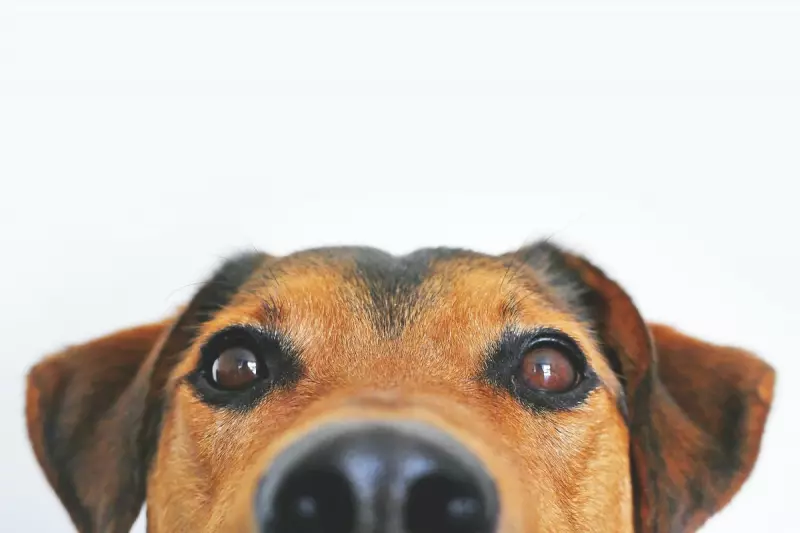
A leading pet charity has issued an urgent warning to dog owners across the UK as the post-pandemic return to office working takes a significant toll on canine companions.
Blue Cross reports an 18% increase in dogs coming into their care, with many cases directly linked to changing work circumstances that make pet ownership challenging. The charity's rehoming centres are feeling the strain as thousands of workers abandon home offices for traditional workplaces.
Key stress signals every dog owner must recognise
Experts emphasise that dogs communicate their anxiety through specific behaviours that owners should learn to identify. These stress indicators can range from subtle signs to more obvious displays of discomfort.
Common stress signals include unusual yawning when not tired, panting with a curled tongue tip, persistent pacing, lip licking, and ears pinned back against the head. Other worrying signs involve dilated pupils, redness around the eyes, and 'whale eye' - where the whites of their eyes become visible.
When stress becomes dangerous
While many stress signs are subtle, the situation can escalate if dogs feel threatened or extremely anxious. More concerning behaviours include stiffening and staring, growling, showing teeth, snapping, or even biting.
Beth Verrechia, Director of People Services at Blue Cross, explained: "At Blue Cross, we know dogs are more than just pets, they're family. That's why we support our employees in bringing their well-adjusted, happy dogs into work, wherever it's practical and appropriate."
Research conducted for the charity reveals that 58% of dog-owning employees would spend more days in the office if they could bring their pets with them. This has prompted approximately one third of UK employers to consider implementing dog-friendly workplace policies to attract hybrid and remote workers back to the office.
Practical solutions for stressed dogs
Blue Cross recommends several strategies to help anxious dogs cope with changing routines. These include providing time-outs from stressful situations, maintaining regular exercise routines, and ensuring owners remain calm as dogs often mirror human emotions.
Other helpful approaches involve keeping dogs entertained with toys and games, and importantly, avoiding telling them off for stress-related behaviours as this can increase their anxiety.
Verrechia added: "Many dogs thrive when they're by their owner's side. Being left alone for long periods can cause some dogs to become lonely, bored or anxious, which can cause them to howl, bark or become destructive."
The charity stresses that while office environments can benefit some dogs, they're not suitable for all animals. Factory settings or restaurants may present safety concerns, and owners should carefully consider whether their dog would genuinely enjoy the workplace experience.
Blue Cross encourages anyone concerned about their dog's behaviour to consult a veterinarian, as some stress signs could indicate underlying health issues requiring professional attention.




