
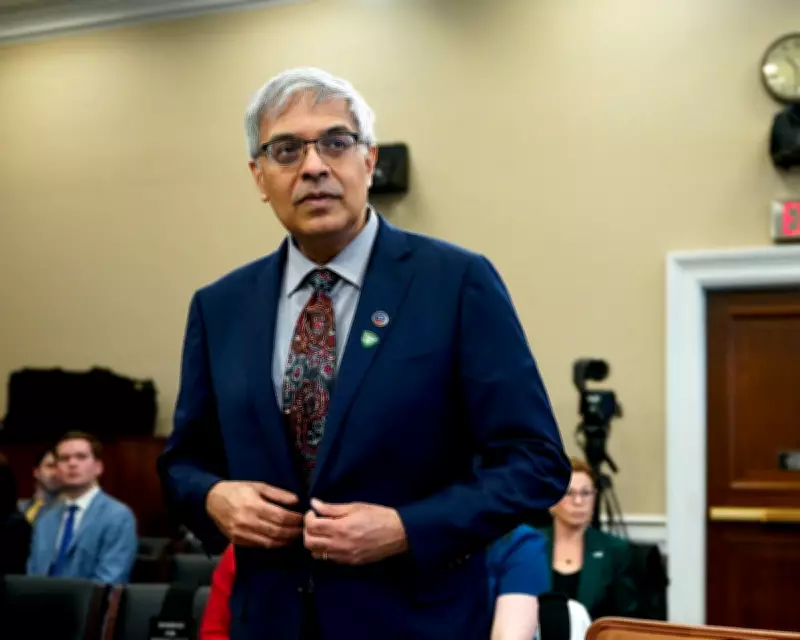
Acting CDC Director Delays Critical COVID Vaccine Report, Sparking Alarm
Alarm is spreading across public health circles as acting Centers for Disease Control and Prevention (CDC) director Jay Bhattacharya has delayed publication of a crucial report demonstrating significant benefits of COVID-19 vaccination. The postponed study reportedly found that vaccines reduced emergency room visits and hospitalizations for healthy adults by approximately half during last winter's respiratory season.
Political Interference Suspected in Scientific Delay
The decision to postpone the CDC report's publication has raised serious concerns among former agency officials and public health experts about potential political interference from the Trump administration. According to Washington Post reporting, CDC scientists completed research showing vaccinated healthy adults reduced their likelihood of COVID-related hospitalizations by 55% and emergency care visits by 50% between September and December 2025.
"This is definitely an escalation of this administration's undermining of CDC science," said Dr. Fiona Havers, a former senior vaccine policy adviser at the CDC who resigned last year in protest of administration policies. "The fact that they are now blocking this is extremely concerning."
Methodology Questions Despite Established Practice
Bhattacharya, who was nominated by former President Trump in 2024 to direct the National Institutes of Health before stepping in as acting CDC director this February, reportedly delayed the report due to concerns about research methodology. The study was scheduled for publication on March 19 in the CDC's Morbidity and Mortality Weekly Report journal.
The methodology in question—known as "test-negative design"—has been standard practice at the CDC for approximately two decades and was used in a separate flu vaccine effectiveness report published just one week before the COVID report was supposed to appear.
"There was nothing new or unexpected about this report and the methods that they used," Havers emphasized. "That a political appointee stopped it is extremely concerning."
Administration's Vaccine Skepticism Background
Health Secretary Robert F. Kennedy Jr., appointed by the Trump administration, has been a vocal critic of COVID-19 vaccines, once calling them the "deadliest vaccine ever made." Last year, he posted a social media video ordering the CDC to stop recommending COVID vaccines for healthy pregnant women and children.
The administration has attempted to soften public perception of COVID-19 vaccines ahead of the 2026 midterm elections, and this latest delay suggests behind-the-scenes maneuvers to advance that mission. Kennedy previously fired all 17 members of a vaccine advisory committee, replacing some with members who share his vaccine skepticism.
CDC Response and Broader Implications
A CDC spokesperson told the Washington Post that "it's routine for CDC leadership to review and flag concerns about MMWR papers, especially relating to their methodology, leading up to planned publication." The spokesperson added that Bhattacharya expressed concerns about "the observational method used in the study to calculate vaccine effectiveness" and that scientists were working to address these issues.
However, public health experts note that Bhattacharya has previously opposed COVID-19 containment measures, including lockdowns and mask mandates during the pandemic's peak in 2020. His appointment to lead NIH and subsequent role as acting CDC director has created significant upheaval within the Department of Health and Human Services agencies.
"The report said something that this administration doesn't want to have publicized—that the COVID vaccines are effective at preventing severe illness," Havers stated regarding her June resignation. "It's behind the scenes—it's a very dangerous step that they have taken."
The delay comes as multiple CDC employees have resigned in protest of Kennedy's actions, creating what experts describe as a concerning pattern of political interference in scientific public health communication during a continuing respiratory virus threat.




