
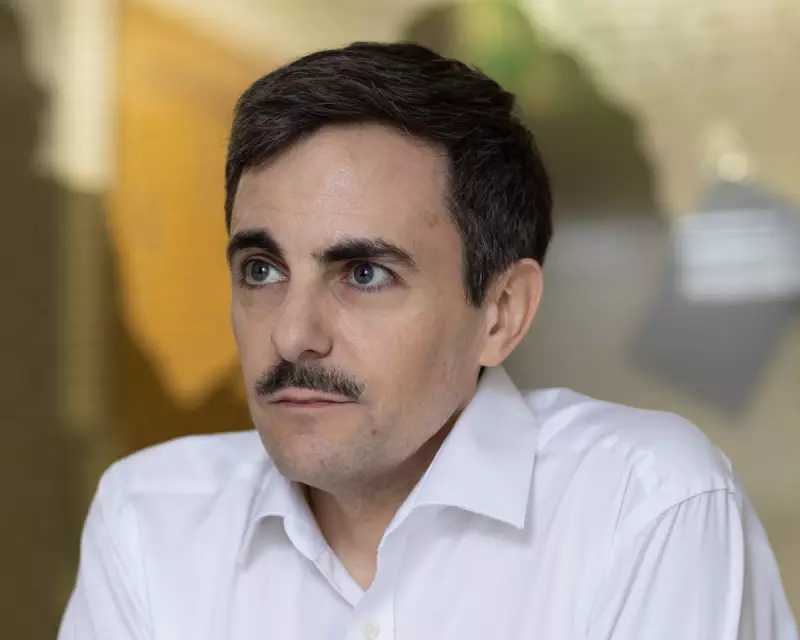
The chair of the British Medical Association (BMA) has firmly rejected accusations that he is orchestrating further strike action by junior doctors to advance his own political ambitions. This comes after the Labour party did not shortlist him as a prospective parliamentary candidate earlier this year.
Christmas Strike Action Announced
The BMA has confirmed that resident doctors – the term now used for junior doctors – in England will begin another five-day strike at 7am on 17 December, continuing until 7am on 22 December. This will mark the 14th strike by doctors since their industrial action began in March 2023.
The announcement follows a similar five-day walkout last month, which prompted serious warnings from NHS leaders. They cautioned that continued strikes could force the health service to reduce frontline staff numbers and cut back on appointments and operations.
Political Allegations and Firm Denials
Speaking on BBC Radio 4's Today programme, Dr Tom Dolphin, the BMA chair, addressed the link being made between the strikes and his political activities. Dolphin has previously acted as an agent for Labour MP Dawn Butler and applied to be a Labour candidate in 2024, though he was not shortlisted.
"My political career isn't the relevant thing here," Dolphin stated. "I'm here representing a trade union... We've got resident doctors coming together to demand fair treatment, to demand the opportunity to be able to train in the UK and to become specialists, become GPs, and they're not currently being given that."
He defended the role of trade unions in society, citing their historical fight for rights like paid sick leave and weekends, and insisted the strike was purely about doctors' working conditions and pay restoration.
Government and NHS Condemnation
The planned strike has drawn sharp criticism from government and NHS figures. Health Secretary Wes Streeting labelled the move a "cynical attempt to wreck Christmas". He claimed the BMA had not engaged in any conversation with the government before announcing the strikes, which he said had "no moral justification".
Dr Chris Streather, a regional medical director at NHS England, echoed these concerns, calling the action "highly irresponsible". He warned that the strikes were eroding goodwill from other NHS staff and the public, potentially damaging the high regard in which the medical profession is held.
The Core Pay Dispute
At the heart of the conflict is the issue of pay. While the government points out that resident doctors' pay has risen by almost 30% over the past three years – including a 22% increase under Labour – the BMA argues this is not enough.
The union is demanding a further 26% increase over the coming years to compensate for what it describes as a significant erosion in real-terms pay since 2008. Dolphin also highlighted a crisis in training posts, stating that thousands of doctors are being turned away, with over 30,000 doctors competing for roughly 10,000 places this year.
As the December strike dates loom, the standoff between the government and the doctors' union shows no sign of immediate resolution, setting the stage for further disruption to NHS services during the festive period.




