
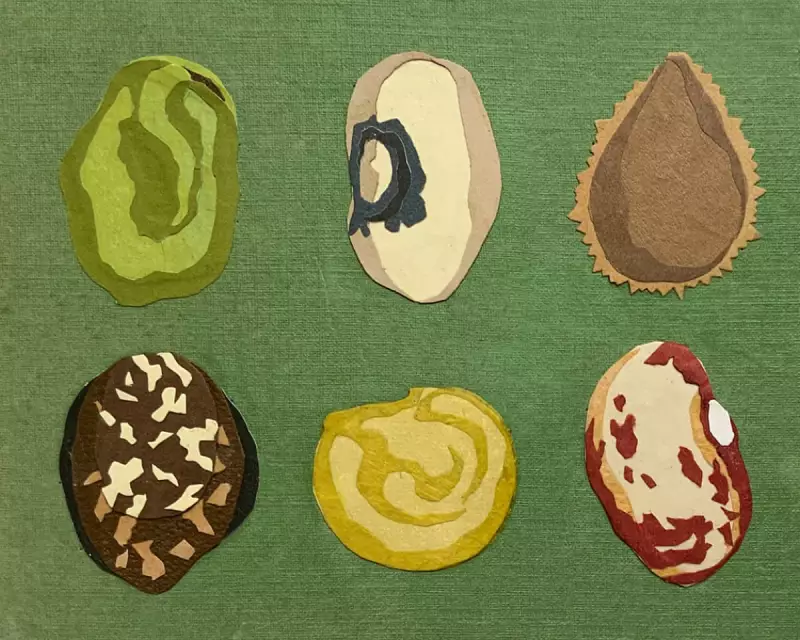
They are affordable, accessible, and remarkably versatile, finding their way into everything from hearty salads to rich, creamy sauces. Beans are a global staple, but their benefits extend far beyond the plate. They are a boon for the planet, enriching soil with nitrogen and requiring significantly less land and water per gram of protein than any animal source. With an enormous diversity of over 400 varieties used in cooking, there is a bean for every palate.
Despite their virtues, consumption is surprisingly low. In the UK, a staggering more than 40% of the population eat no beans at all, while in the US, fewer than 20% meet the recommended daily intake. So, what makes this humble legume so exceptionally healthy, and why should we all be making more room for them in our diets?
The Unrivalled Nutritional Profile of Beans
Roxana Ehsani, a registered sports dietitian, describes beans as a "true nutritional powerhouse." They are an excellent source of both fibre and protein, completely free of saturated fat. A single cup of cooked beans provides approximately 18g of protein, which is about a third of the daily recommended amount for an average adult.
While it's true that beans are not a "complete" protein on their own, containing not all nine essential amino acids, this is easily remedied. Ehsani confirms that eating beans alongside other protein sources throughout the day, such as whole grains, nuts, or dairy, more than covers your nutritional bases.
Furthermore, beans are packed with "shortfall" nutrients—micronutrients often missing from modern diets. Research by University of Toronto nutrition expert Yanni Papanikolaou demonstrated that adding just one daily serving of beans to the average diet can boost fibre intake by a remarkable 77%. He states that consuming whole foods like beans provides a synergistic blend of nutrients and plant bioactives, offering greater benefits than a multivitamin and being linked to a reduced risk of death and a better quality of life.
Beans vs. Red Meat: A Healthier Choice for the Heart
While red meat can be part of a balanced diet in moderation, beans often present a healthier overall protein option. Many people in the UK and US consume about a pound of red and processed meat weekly, exceeding health guidelines. Substituting beans for some of this meat significantly reduces saturated fat intake.
Dr. Teresa Fung, a professor of nutrition, explains that this substitution directly lessens cardiovascular disease risk. The high fibre content in beans helps lower "bad" LDL cholesterol, which prevents plaque formation in arteries. Additionally, beans have a low glycemic index, and their fibre helps stabilise blood sugar, reducing the spikes and falls that can contribute to the development of type 2 diabetes.
Weight Management and Digestive Wellness
The dynamic duo of protein and fibre in beans makes them exceptionally effective for weight management. They promote a feeling of fullness, helping to prevent overeating and unnecessary snacking. Papanikolaou's research found that adults who consumed around two cups of beans daily weighed 2.5kg (5.5lb) less and had smaller waist circumferences than those who avoided beans entirely.
The fibre in beans also plays a crucial role in digestive health. It acts as a prebiotic, serving as fuel for beneficial gut bacteria. The fermentation of this fibre produces short-chain fatty acids, which lower inflammation, support immunity, and improve metabolism. For those new to high-fibre foods, experts advise starting with a small portion, such as a quarter cup, to allow your digestive system to adjust.
How to Get More Beans Into Your Diet
Incorporating more beans into your meals is straightforward. Both dried and canned beans are equally nutritious, though canned options offer convenience. If using canned beans, rinsing them can reduce sodium content by about 40%. For dried beans, cooking a batch on the weekend and freezing in portions provides a quick "emergency protein" for busy weekdays.
To enhance the absorption of plant-based iron from beans, pair them with vitamin C-rich foods, such as a salad with a lemon juice dressing. Don't forget fermented bean products like tempeh and miso, which can make certain nutrients more bioavailable. With their proven benefits for personal health and the environment, it's clear that beans truly deserve a more prominent place on our plates.




