
Australia's Defiant Stance Against Pharmaceutical Price Pressure
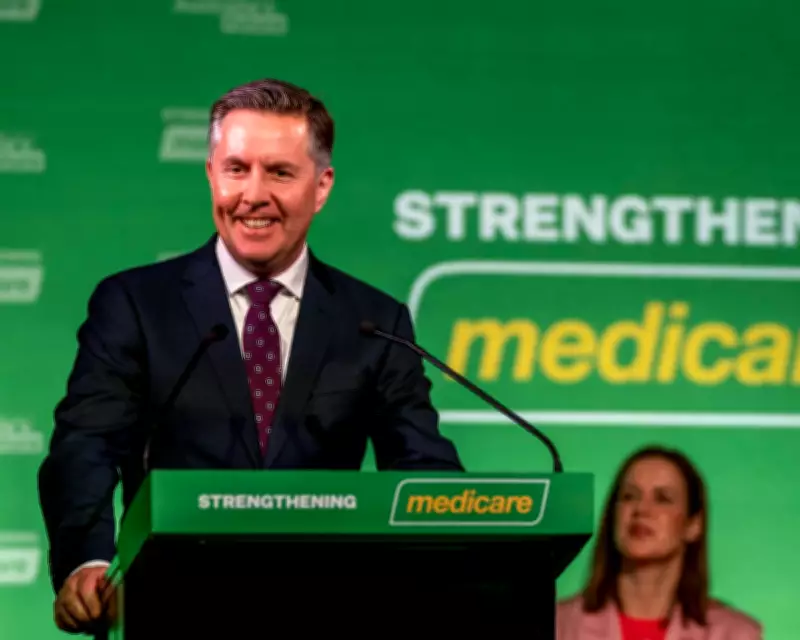
Health Minister Mark Butler has emphatically declared that the Australian government will not yield to mounting pressure from pharmaceutical corporations and the Trump administration to eliminate consumer price protections on essential medications. This firm position comes in direct response to former President Donald Trump's imposition of a sweeping 100% tariff on branded pharmaceuticals imported into the United States.
The Tariff Challenge and Australian Exports
Trump's executive order, signed overnight Australian time, presents a significant challenge for Australian manufacturers who export approximately $2 billion worth of drugs annually to the American market. The tariff specifically targets branded pharmaceuticals, with large companies given 120 days and smaller entities 180 days to announce plans to avoid the new import charges.
Companies agreeing to relocate manufacturing operations to the United States could benefit from a reduced 20% tariff rate, with additional carve-outs available for those committing to preferred pricing agreements for American consumers. The policy notably exempts generic drugs and maintains more favorable rates for products originating from the European Union, Japan, South Korea, and Switzerland.
Protecting the Pharmaceutical Benefits Scheme
At the heart of Australia's resistance is the Pharmaceutical Benefits Scheme (PBS), the government program that guarantees substantially lower prescription medication prices for Australian citizens. Minister Butler emphasized that this fundamental protection remains non-negotiable, stating, "We are not negotiating about those fundamentals."
Butler explained the government's consistent messaging to American officials, noting, "We keep sending this clearest of possible messages to the US because we know they get the big drug companies in their ear trying to unpick the PBS here in Australia and equivalent schemes in other countries around the world."
Industry Impact and Political Responses
Manufacturing giant CSL, which accounts for the majority of Australia's pharmaceutical exports to the United States through blood plasma products, is expected to receive exemptions from the new tariffs. The company recently opened a new manufacturing facility in Illinois and plans to invest $1.5 billion expanding its American plasma therapy manufacturing capabilities.
Communications Minister Anika Wells reinforced the government's position, declaring, "The Australian PBS is not for sale," while emphasizing the world-class quality of Australian pharmaceuticals. Victorian Premier Jacinta Allan expressed concern about potential impacts on her state's medical technology industry, noting the announcement "puts pressure into the economy."
Opposition Leader Angus Taylor called for Labor to negotiate exemptions with Trump, stating, "We'll work with the government to do anything we have to get it overturned or get an exemption for Australian exporters."
Broader Context and Consumer Impact
The tariff move highlights the substantial disparity in prescription medication costs between American and Australian consumers, with Americans paying significantly higher prices. This affordability issue has become a source of frustration for Trump as he attempts to address cost-of-living pressures in the United States ahead of congressional elections.
Australia previously benefited from the lowest 10% rate under Trump's Liberation Day tariff regime announced in 2025, though this was struck down by a US Supreme Court ruling in February. The current tariff decision represents a renewed challenge to international pharmaceutical pricing structures and Australia's commitment to affordable healthcare access.




