
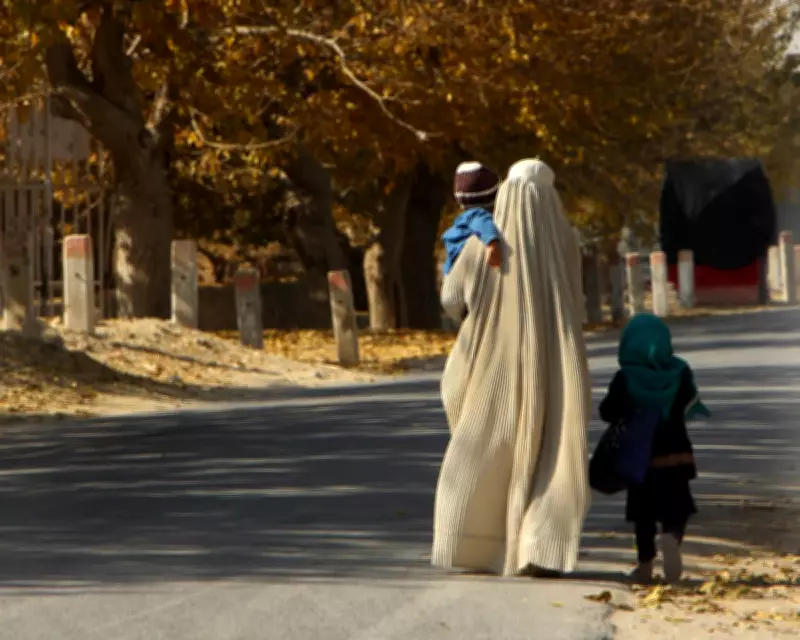
Afghanistan's Healthcare Crisis: The Looming End of Female Medical Care
In a stark warning about the deteriorating situation for women in Afghanistan, Dr Carol Mann, President of Femaid in Paris, has highlighted a catastrophic healthcare crisis unfolding under Taliban rule. Her response to recent reporting on the Taliban's birth control ban reveals systemic issues that threaten to eliminate medical care for Afghan women entirely within a generation.
The Economic Drivers of Early Marriage
Dr Mann points to spiralling poverty as a key factor driving the crisis. With families facing extreme economic hardship, girls as young as 12 are increasingly being married off in what amounts to financial transactions. The younger the girl, the higher the dowry her father receives, creating a perverse incentive that prioritises immediate financial gain over girls' health, education, and future prospects.
The Educational Ban That Will End Women's Healthcare
Even more concerning is the Taliban's comprehensive ban on education and work for women beyond minimal primary schooling. This policy has profound implications for healthcare:
- Universities and medical schools now exclusively train men
- The current generation of female doctors, midwives, surgeons, and nurses cannot be replaced
- When these professionals retire or leave, women will have no access to female medical practitioners
Compounding this crisis is the prohibition against women consulting male practitioners, creating what Dr Mann describes as a complete medical exclusion for half the population.
A Unique Form of Gender Apartheid
Dr Mann characterises these policies as representing more than just gender discrimination. She describes the situation as "the rise of a truly genocidal policy against women, unique in its kind". The systematic elimination of women's access to education, employment, and healthcare represents an unprecedented assault on women's rights and wellbeing.
International Silence
Perhaps most troubling is Dr Mann's observation that the world remains silent while these policies are implemented. Despite the clear humanitarian crisis unfolding, international response has been limited, allowing the Taliban to continue implementing policies that will have devastating consequences for generations of Afghan women.
The combination of economic desperation, educational bans, and healthcare restrictions creates what experts fear will become a complete collapse of medical services for women in Afghanistan. Without intervention, the country faces a future where women have no access to qualified medical care during pregnancy, childbirth, or any other health crisis.




