
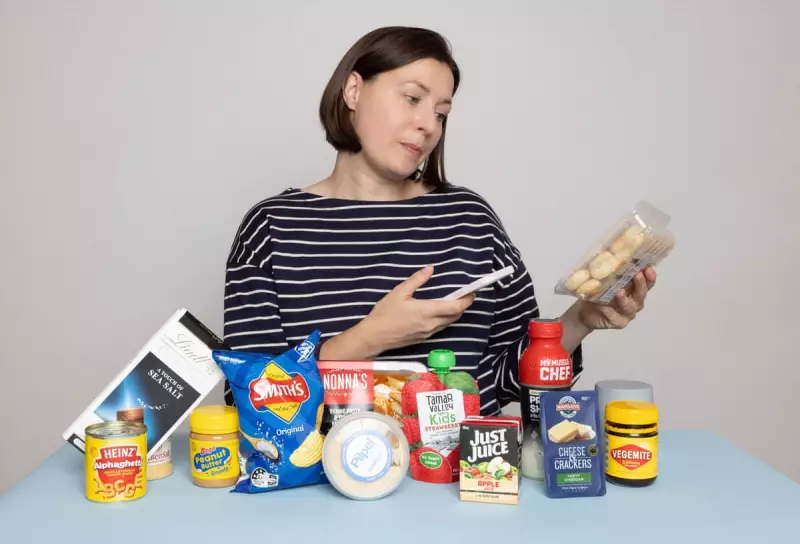
Modern diets in the UK and other Western nations are saturated with ultra-processed foods (UPFs), a category linked by experts to a host of serious health issues. However, nutritionists emphasise that reducing consumption doesn't require an unrealistic, all-or-nothing approach.
The Scale of the Ultra-Processed Problem
Professor Mark Lawrence, an ecological nutrition expert from Deakin University, stresses that avoiding UPFs is a significant challenge, not a simple matter of willpower. He co-authored a global report highlighting that countries like the UK, US, and Australia have some of the world's highest consumption rates. The report links these foods to "multiple diet-related chronic diseases."
Another co-author, Dr Mathilde Touvier, points to a "strong and consistent association" between UPF intake and conditions including cardiovascular disease, type 2 diabetes, depression, and obesity. She describes the need for consumers to eat less of them as "urgent."
Dietitian Dr Eden Barrett notes the difficulty of the task, explaining that around 60% of packaged foods in supermarkets would be classified as ultra-processed. "For most people it doesn't need to be an all-or-nothing approach," she advises. "Identifying the easiest swaps rather than changing everything at once might make it a bit easier too."
What Defines an Ultra-Processed Food?
According to Associate Professor Evangeline Mantzioris, a dietitian from Adelaide University, UPFs are typically "foods that are made using industrial processes and industrial ingredients that you wouldn't normally find in a typical kitchen." Common markers include flavours, emulsifiers, colours, and artificial sweeteners. However, she cautions that it's vital to consider a person's overall diet and national dietary guidelines.
To help identify UPFs, Dr Touvier recommends using apps like Open Food Facts, which utilises the Nova classification system.
Expert-Recommended Food Swaps
Here are nine practical substitutions to help reduce ultra-processed foods in your daily routine.
Swap Extruded Cereals for Oats or Multigrain: Puffed or shaped cereals like Coco Pops or Rice Krispies are typically ultra-processed. Instead, opt for multigrain cereals that look like whole foods, such as Weetabix, or choose minimally processed oats for porridge. Add your own fruit, nuts, or a drizzle of honey for flavour.
Choose Simpler Plant-Based Milks: While many alternative milks are UPFs, some contain very few ingredients. Look for options like organic oat milk (oats, water, salt) or unsweetened almond milk without added oils and emulsifiers. Barista-style versions in cafes are usually ultra-processed.
Ditch Soft and Sports Drinks: All soft drinks, whether full-sugar or diet, are UPFs and are best avoided. Sports drinks are similarly processed and unnecessary for non-athletes. Swap for milk, water, or diluted 100% fruit juice as a stepping stone.
Select Bakery or Wholegrain Bread: Standard sliced supermarket loaves often contain emulsifiers. Bread from an in-house supermarket bakery or a local baker may have fewer additives, though a shorter shelf life. If that's impractical, choose a wholegrain sliced loaf for more fibre and nutrients.
Replace Ice-Cream with Plain Yoghurt: Most commercial ice-creams and sorbets are full of thickeners and emulsifiers. A healthier dessert alternative is plain yoghurt topped with fresh fruit, nuts, or a small amount of natural sweetener.
Pick Plain Over Flavoured Yoghurt: Flavoured yoghurts are UPFs due to added thickeners and artificial flavours. Check labels and choose a plain Greek-style yoghurt, then add your own toppings. For children who refuse other dairy, flavoured yoghurt can still be a useful calcium source.
Opt for Salted Over Flavoured Crisps: Heavily processed snacks like Pringles or flavoured crisps have a completely altered food structure. If buying crisps, choose plain salted potato chips as a "sometimes food," but remember even lentil chips are often ultra-processed.
Choose Lean Meat Over Sausages: Sausages are ultra-processed and high in saturated fat and sodium. Swap for minimally processed, lean meats. Note that many plant-based sausages are also UPFs, so look for simpler alternatives like lentil patties.
Select Crackers with Minimal Ingredients: Popular crackers like Ritz are UPFs. Instead, look for options with very short ingredient lists, such as rye crackers (rye flour, salt) or plain rice cakes. Avoid barbecue or chicken-flavoured varieties.
By implementing these manageable swaps, individuals can significantly reduce their intake of ultra-processed foods, taking a practical step towards better long-term health without feeling overwhelmed.




