
The Tooth Fairy Ritual: Why Children Need Magic and Parents Need Moments
Anthony N Castle reflects on the seemingly ridiculous yet profoundly meaningful tradition of the tooth fairy, arguing that while children have small teeth and big imaginations, parents need rituals to celebrate growth rather than mourn its passage.
A Blood-Streaked Smile and a Changing World
I held my daughter up to better see the passing parade one morning, her joy growing in the morning light as color and noise moved past us. Someone remarked that I was missing the spectacle, but I had never seen anything as beautiful as her smile looking down at me from above.
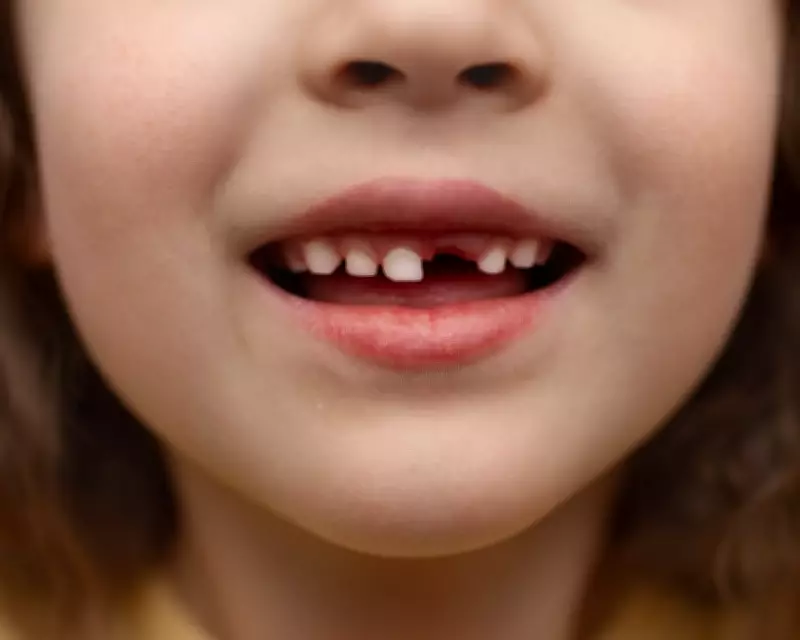
The following morning, she appeared again with something changed—her mouth blood-streaked, revealing a gap where her first tooth had been. We celebrated the milestone, but I felt something else stirring beneath the surface. Everything changes from here, I thought, wondering if this unfamiliar emotion was grief.
The Ridiculous and the Sacred
"Do we give this to the toothy fairy?" my daughter asked, and I couldn't quite remember the protocol. There's something undeniably ridiculous about this ritual—invoking night imps, exchanging cash for body parts. Some parents hoard teeth in tins or wear them as necklaces. Critics argue it's unethical deception or, my personal favorite, "how capitalism commodifies the bodies of workers."
My partner handled the tooth fairy routine for our oldest in a cashless, modern adaptation when circumstances required. I know parents who commit fully, leaving glittery footprints by the pillow, while others declare the practice gross, superstitious, or almost cultic.
The Psychology of Pretend
Research shows children can learn to lie from their parents, yet psychologists have found imaginary friends and worlds are healthy for development, typically decreasing around age seven. The line between fact and pretend blurs in childhood, and variations of this imaginative ritual span centuries and continents.
In France, Belgium, and Spain, a mouse collects the teeth. Sometimes they're thrown atop family houses for birds or mythical figures—the most disturbing being "Mary-in-the-roof." In parts of the Middle East and Asia, teeth are offered to saints or gods, cast toward the sky. The standard tooth fairy was invented by a playwright a century ago, yet there appears to be a universal instinct to treat fallen teeth as sacred.
From Grief to Celebration
We placed the tooth beneath my daughter's pillow as her eyes closed that night. Parents often lament that first gap, mourning the "perfect smile" now gone. Small children are sometimes held up as ideals, little angels we must eventually release. This feels like saying goodbye to a small part of them, the little child now departed.
But I question that sense of grief. My daughter remains here—it's this specific moment that has passed. What seemed perfect, I missed. This isn't grief I'm feeling; it's remorse. I wasn't watching closely enough, and now it's too late.
I don't remember being the tooth fairy. I don't remember much of it at all. My daughter was born into a pandemic, entered kindergarten during a cost-of-living crisis, and started school amid family diagnoses and deaths. Years have moved past, and I have missed so much.
The Wisdom of Children
One morning, I held my daughter up to better examine the healing gum. When I asked what she made of this ritual, she already knew parents were behind it. "Why do we do it?" I pressed. "To make joy," she replied, smiling.
My daughter isn't perfect; she's a child. She screams, she crafts, she awards herself wonky micro-bangs before important events. She's not an angel—she's more. She's human, changing as everything does. That's the beauty.
Rituals for Growth
The tooth fairy is ridiculous, but all rituals are, and the superstitious and sacred often overlap. Children have small teeth and big imaginations, growing out of both, and they might need rituals along the way. I wonder if parents need them too.
I do—not as funeral rites but as celebrations. There is so much more to come. Years pass like parades, moving quickly. I take this memory of my daughter's joy and lift it up, not as an ideal to grieve but as an offering to the sky, to God, to whatever is above.
This is my ritual: exchanging remorse for anticipation because my little girl isn't gone—she's growing. I will watch for that smile. I'm not missing a thing.




