
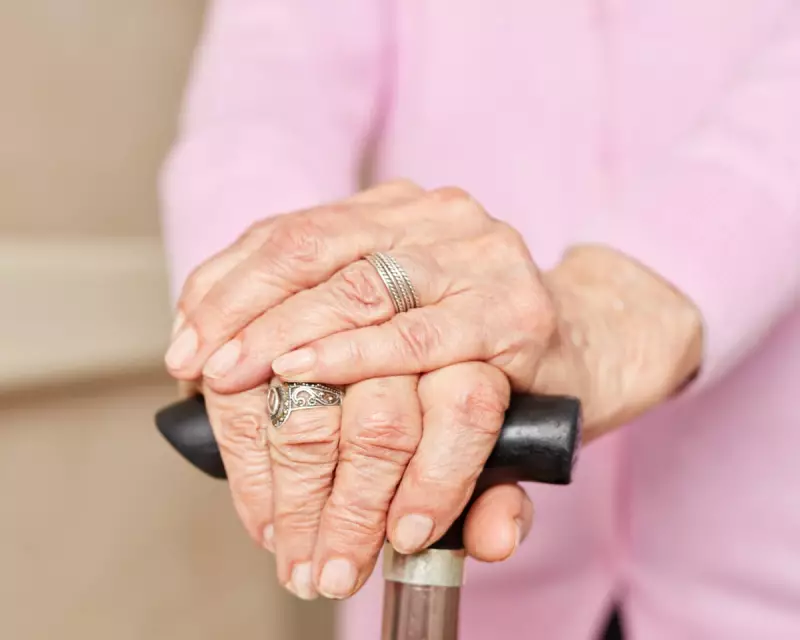
An independent watchdog has issued a stark warning that general practitioners across England are failing to provide adequate support for older people living with frailty, leaving them at increased risk of falls and deteriorating health.
Critical Gaps in Frailty Care Identified
The National Audit Office (NAO) found that while GPs are required to identify patients aged 65 and over who are living with frailty, only one in six were actually assessed for the condition in the 2024/25 period. This marks a significant decline from 2017/18, when one in four received an assessment.
The report highlights that frailty, a syndrome related to ageing where the body's systems lose their natural reserves, leads to symptoms like severe exhaustion and a higher likelihood of being housebound. Despite this, the system is failing to deliver consistent care.
Of the 226,000 patients diagnosed with frailty in 2024/25, a mere 18% had been assessed for their risk of falls, and just 16% had received a comprehensive medical review. The NAO also noted a "worrying inconsistency" in the support and follow-up provided to those diagnosed with severe frailty, with significant regional variation in assessment rates.
Workload and Workforce Crisis Blamed
Medical leaders have pointed to a deepening crisis in general practice as the root cause of these failures. Professor Victoria Tzortziou Brown, Chair of the Royal College of General Practitioners, stated that GPs and their teams are "working under intense and increasing pressures."
She highlighted that a fully qualified, full-time GP in England is now responsible for an average of 2,241 patients, an increase of 304 patients (or 15.7%) per GP over the last decade. "This is having a serious impact on the time we can spend with our patients and on delivering proactive care," Professor Tzortziou Brown explained.
"GPs want to do more for their frail patients, but without sufficient workforce and investment, the most time-intensive aspects of care – continuity, comprehensive assessments and regular follow-up – are becoming harder to sustain," she added.
Calls for Systemic Reform in NHS Planning
Gareth Davies, the head of the NAO, emphasised the urgent need for improvement. "It is crucial that people with frailty are supported effectively and consistently across the country," he said. "Our report shows that many older people are not getting the support they need."
Davies called on the NHS to "seize the opportunity of the 10-year health plan to build a more effective and sustainable service that recognises what older people need."
In response, a Department of Health and Social Care spokesperson said: "We inherited a situation where too many elderly people had been failed by the health and care system but are working at pace to ensure older people can live well for longer with the care and support they need."
The findings place renewed focus on the capacity of primary care to manage the needs of an ageing population, with frailty assessments and preventative care becoming casualties of a stretched system.




