The GP Surgeon Who Challenged the System
Dr John Stuart Brown, a Kent general practitioner who passed away aged 90, fundamentally changed how minor medical procedures are delivered in the UK. His pioneering work in performing surgeries directly within his GP practice demonstrated significant benefits for both patients and the healthcare system, ultimately influencing national health policy.
From Frustration to Innovation
After qualifying from King's College London in 1959, Brown gained substantial surgical experience before becoming a GP at Thornhills medical practice in Larkfield, Kent in 1961. He found it increasingly frustrating to refer patients to hospital for procedures he was perfectly capable of performing himself. By 1979, he was conducting an average of four minor operations weekly within his surgery, creating a model that would eventually transform primary care.
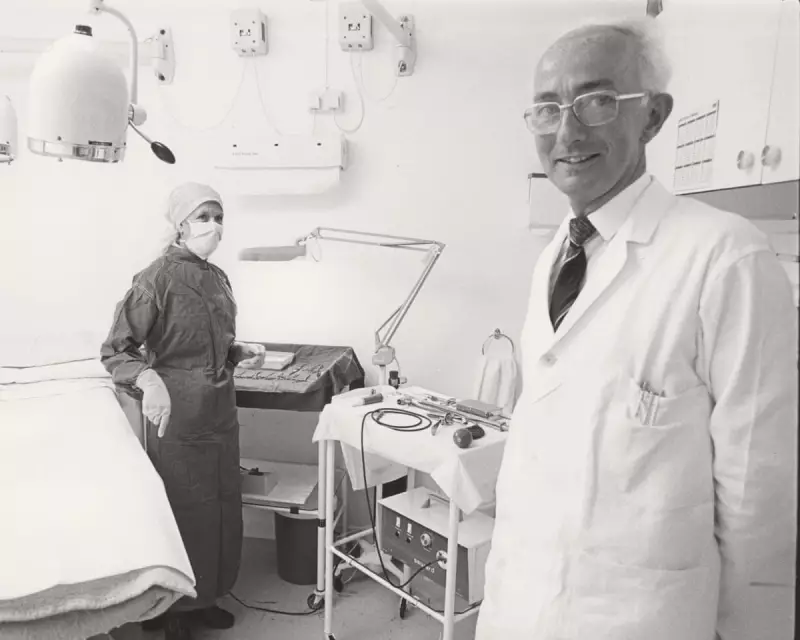
Brown became remarkably resourceful, acquiring and repairing cast-off hospital equipment including an operating table and theatre lights. His practice soon expanded to hundreds of procedures annually, ranging from dermatology treatments like removing warts and suspicious moles to more complex operations for haemorrhoids, varicose veins, and carpal tunnel syndrome.
Substantial Savings and Faster Treatment
The financial and practical benefits of Brown's approach were undeniable. He calculated that procedures costing £78.24 in hospital could be performed for just £5 in his practice, saving the local health authority over £15,000 annually. More importantly, patients received treatment within weeks rather than facing hospital waiting lists that could extend to 18 months or longer.
As colleague Dr Tim Cantor later noted about carpal tunnel operations: "The hospital wait could easily be 18 months or more, during which time the trapped nerve could deteriorate. Whereas in general practice we could undertake people's surgeries within two to three weeks."
Catalyst for National Change
Brown's 1979 British Medical Journal article, "Minor operations in general practice", highlighted these successes but identified the crucial barrier to wider adoption: funding. He argued that a payment of £10 per procedure - equivalent to hospital referral costs - would enable GPs to purchase instruments and make minor surgery financially viable for practices nationwide.
His subsequent lobbying reached Prime Minister Margaret Thatcher and directly influenced the 1987 government white paper 'Promoting Better Health'. This led to the 1990 GP contract, which introduced payments for surgical procedures including removing skin lesions, treating varicose veins, and injecting joints.
The impact was immediate and substantial. In 1991, the first full year after the new contract, GP surgical procedures increased by 41%. Concerns about quality proved unfounded, though the initiative surprisingly didn't significantly reduce hospital waiting lists - instead, it revealed previously unmet demand as more people came forward for treatment.
A Lasting Legacy in Medicine
Throughout his career, Brown estimated he performed approximately 20,000 procedures before retiring in 2000. His influence extended beyond his own practice through training colleagues, volunteering as a divisional surgeon with St John Ambulance, and writing practical guides for Pulse magazine.
These articles formed the basis of his 1986 textbook Minor Surgery: A Text and Atlas, which remained in print for nearly four decades. His contributions were formally recognised with an MBE in 1997.
Born in Bradford in 1935, Brown attended Belle Vue boys' grammar school where he developed early interests in electronics, building a crystal radio set at 11 and later constructing a tape machine to record Queen Elizabeth II's coronation. He met his wife Anne, a nurse, while working at Royal Alexandra children's hospital in Brighton, and they married in 1962, raising three children together.
After retirement, the couple volunteered in a Zambian hospital for six months before moving to Ponteland near Newcastle to be closer to family. Dr John Stuart Brown is survived by his wife Anne, their children Nick, Geoff and Hilary, six grandchildren, and his brother Ian.