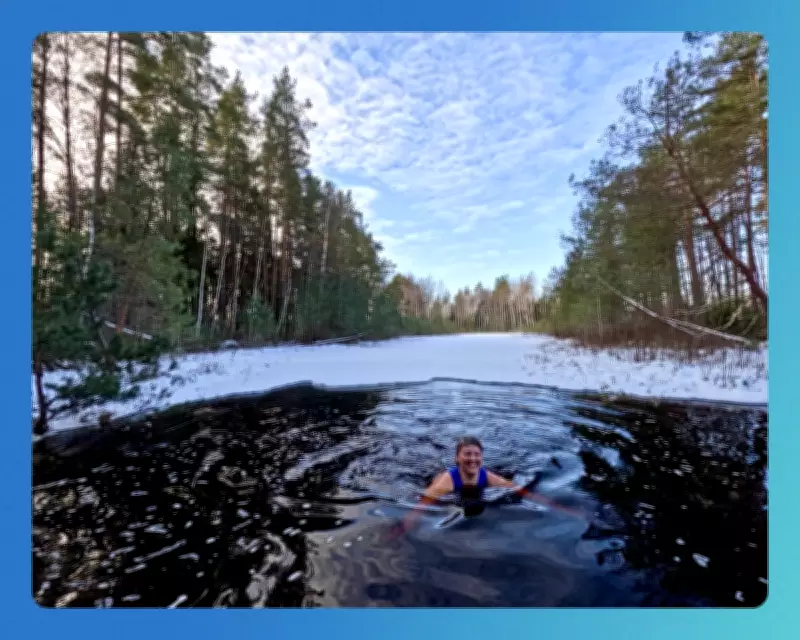
Experiencing the glorious smugness of exercising outdoors in winter conditions is a unique thrill, from the fresh air and endorphins to the reduced risk of heart disease. Nothing beats that knowing nod from another rain-drenched runner or the horrified faces of dog walkers as you stride into the sea for a winter dip. However, to ensure this intoxicating feeling outweighs the sting of the cold, proper preparation and layering are essential. Whether you're running, hiking, or outdoor swimming, expert advice can help you stay warm and safe.
The Best Winter Running Gear
Dressing for winter runs requires a fine balance, as it can feel freezing at the start but quickly lead to sweating. Nick Harris-Fry, co-founder of the Run Testers, shares key insights for optimal comfort.
Be Bold, Start Cold
Remember that you're not just dressing for the beginning of the run. It's easy to over-layer for encouragement, but running warms you up within minutes. Opt for two or three thin layers instead of one or two thick ones, allowing you to remove a layer as needed.
A Good Base Layer Is Key
A quality base layer keeps you warm without overheating or getting clammy. In most conditions, it may be the only layer needed under a jacket. Look for soft, quick-drying, odour-resistant fabrics like merino wool. For instance, Tracksmith's Brighton base layer is comfortable, warm, and lightweight, ideal for autumn and winter months.
Proper Waterproof Jacket Considerations
For many, a windproof, water-resistant jacket is more practical than a full waterproof, as it's cheaper, packable, and breathable. However, for longer trail runs or remote areas, a waterproof jacket offers extra protection. The Asics Road packable jacket is a versatile option, being windproof and water-resistant, and it packs into its own pocket.
Insulated Outerwear and Sleeveless Options
Insulated jackets are useful in sub-zero temperatures but may not be essential for most UK runners. A running gilet, like the Saysky Clean Pace Flex vest, is often more practical, keeping the core warm without overheating and allowing for layering over jackets if needed.
The Best Winter Hiking Gear
Winter hiking involves fluctuating conditions, so regulating body temperature is crucial. Richard Shepherd, purchasing director at Ellis Brigham, and outdoor-gear enthusiast Paddy Maddison provide valuable tips.
Layers, Layers, Layers
Instead of one heavy coat, use multiple layers to adjust your temperature during ascents, rests, or descents. This approach helps maintain comfort throughout the hike.
Start with a Solid Foundation
Base layers wick sweat away and regulate temperature. Moisture-wicking materials like polyester or merino wool are ideal. Merino wool, in particular, is odour-resistant and warm even when wet. Brands like Icebreaker and Smartwool offer premium options, but affordable choices like Mountain Warehouse's merino base layers provide excellent value.
Add Insulation Accordingly
Mid-layers add warmth, with options ranging from fleeces to insulated down hoodies. Down insulation offers a high warmth-to-weight ratio for cold, dry conditions. Synthetic alternatives, like Arc'teryx's Atom hoodie, are durable and breathable, suitable for active movement.
Block Wind and Rain with a Shell
A waterproof shell jacket should fit over mid-layers. Montane's Torren shell is a reliable choice, offering protection from the elements. Ensure the fit accommodates insulation underneath for maximum comfort.
Don't Neglect Your Lower Half
Legs need insulation too. Merino leggings serve as a base layer, while thick merino-wool socks, like Smartwool's Hike full-cushion socks, provide warmth. Soft-shell trousers block wind chill, and waterproof trousers, such as Berghaus Deluge 2.0, are handy for emergencies.
The Best Cold-Water Swimming Kit
Cold-water swimming is inherently chilly, but Ella Foote, editor of Outdoor Swimmer magazine, shares tips to make it more enjoyable.
Look After Fingers and Toes
Neoprene gloves and socks can significantly extend your time in the water by protecting extremities. Ensure a snug fit to prevent water ingress and maintain thermal benefits. Fourth Element neoprene gloves and Two Bare Feet neoprene socks are recommended options.
Get Your Core Temperature Up
Warm up before entering the water to improve the overall experience. Thermal tops and leggings made from merino wool, like Smartwool's base layers, offer comfort and warmth even when wet.
Layer Up Afterwards
After swimming, body temperature continues to drop. Have clothes ready in order for quick dressing, with a coat or robe at the bottom to minimise fumbling. This helps retain heat during the post-swim cool-down.
A Wetsuit Might Not Be Necessary
Wetsuits provide buoyancy but may not make a significant difference in very cold water. Hybrid suits or sustainable options like Zone3's Yulex long-sleeve swimsuit can reduce wind chill without the bulk.
Cover Your Head
A neoprene hat eases brain-freeze during head-down swimming, while a waterproof bobble hat, like Sealskinz's cold-weather beanie, keeps chill away during short dips. Natural fibre hats, such as Finisterre's beanie, remain warm when wet.
Invest in a Good Change Robe
Change robes protect from weather while allowing you to layer underneath. Look for a weatherproof outer, insulation, and a longer length to cover the core. The Outdoor changing robe by Voited offers features like a lumbar warmth panel and zipped pockets.
By following these expert tips, you can embrace winter outdoor exercise with confidence, staying warm and safe across running, hiking, and swimming activities. Proper gear and layering strategies ensure that the joy of winter workouts outweighs the cold.